Running Shoes vs Training Shoes: What Is the Difference?
Disclosure: Shoe Like may earn a commission when you buy through links on this page. This does not affect our recommendations. We do not show live prices, discounts, stock status, ratings, or retailer availability unless we have verified them.
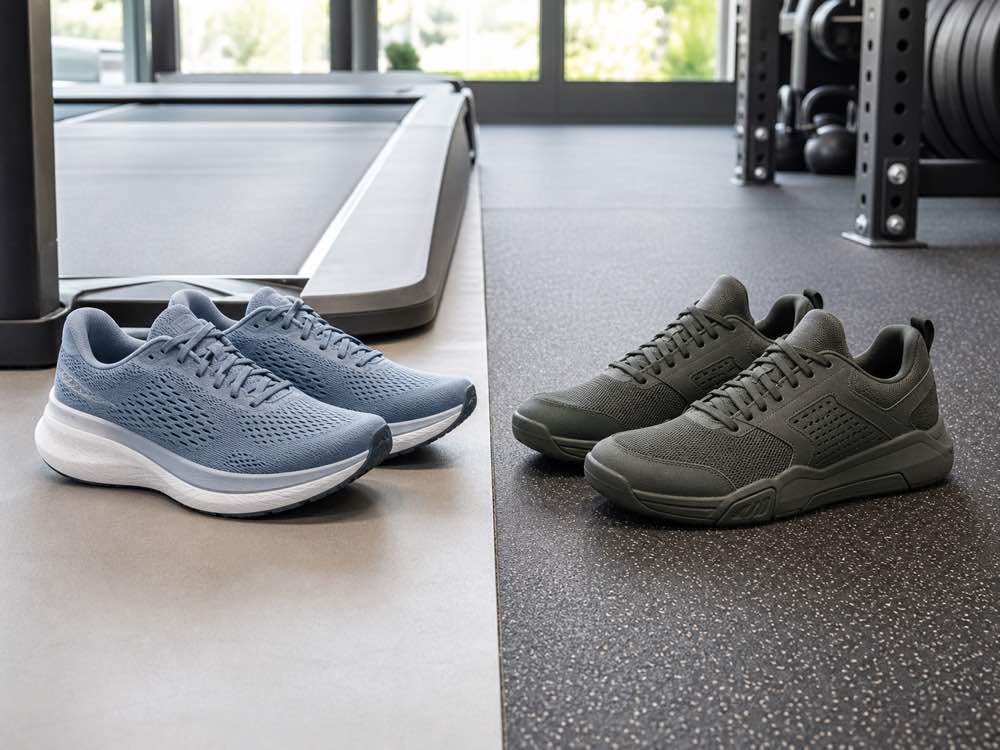
Running shoes are built mainly for repeated forward strides. Training shoes are built for a wider mix of gym movements, including lifting, jumping, and moving side to side. Pick running shoes for regular road or treadmill miles. Pick training shoes for strength work, HIIT, classes, and mixed gym sessions.
The overlap is real, but it is limited. A training shoe can handle a short warmup run, and a running shoe can handle easy machine work. Problems start when a soft, tall running shoe feels unstable under a loaded squat or when a firm, low trainer feels harsh through a longer run.
Quick Answer: Which Shoe Should You Wear?
| Workout | Better default | Why | Useful exception |
|---|---|---|---|
| Road running or treadmill miles | Running shoes | Cushioning and geometry are tuned for repeated forward impact. | A hybrid trainer can cover very short runs inside a mixed workout. |
| Squats, deadlifts, and strength circuits | Training shoes | A lower, broader platform usually feels more stable under load. | Dedicated lifting shoes may be better for technical Olympic lifting. |
| HIIT and bootcamp classes | Training shoes | They are designed for jumps, changes of direction, and short bursts. | Choose a running-friendly hybrid if the class includes substantial running. |
| Short treadmill warmup before lifting | Training shoes | One pair avoids a shoe change and keeps the lifting platform stable. | Use running shoes if the warmup becomes a real run. |
| Walking and easy cardio machines | Either, based on comfort | The demands are lower and mostly forward. | A walking shoe may suit long standing or slower daily use better. |
| Regular running plus regular lifting | Two pairs | Each shoe can do its main job without a major compromise. | A hybrid trainer works when runs stay short and gym work is the priority. |
Running Shoes vs Training Shoes at a Glance
| Feature | Running shoes | Training shoes |
|---|---|---|
| Main movement | Repeated forward stride | Forward, backward, lateral, jumping, and lifting |
| Midsole | Usually softer and more cushioned | Usually firmer, lower, and more stable |
| Platform | May be taller or rockered | Usually broader and flatter at the floor |
| Lateral support | Varies; often not the design priority | Usually reinforced for side-to-side work |
| Upper | Lightweight and breathable | Often more structured and abrasion resistant |
| Best use | Running, treadmill work, walk-run plans | Gym training, HIIT, classes, agility, and mixed workouts |
| Main tradeoff | Soft cushioning can feel unstable under load | Firm construction can feel harsh over longer runs |
What Running Shoes Are Designed to Do
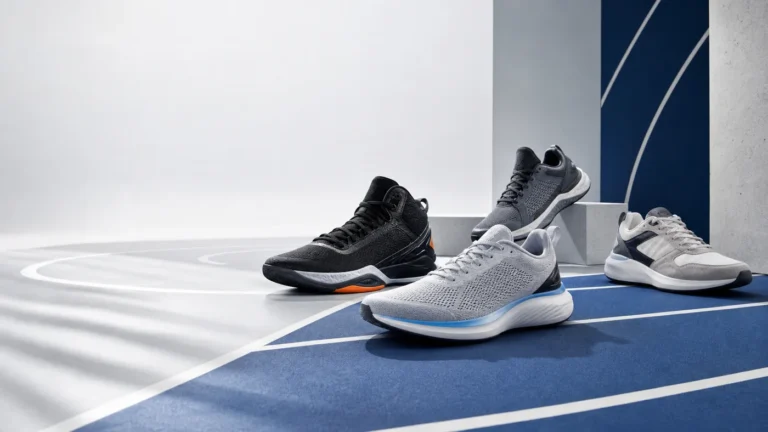
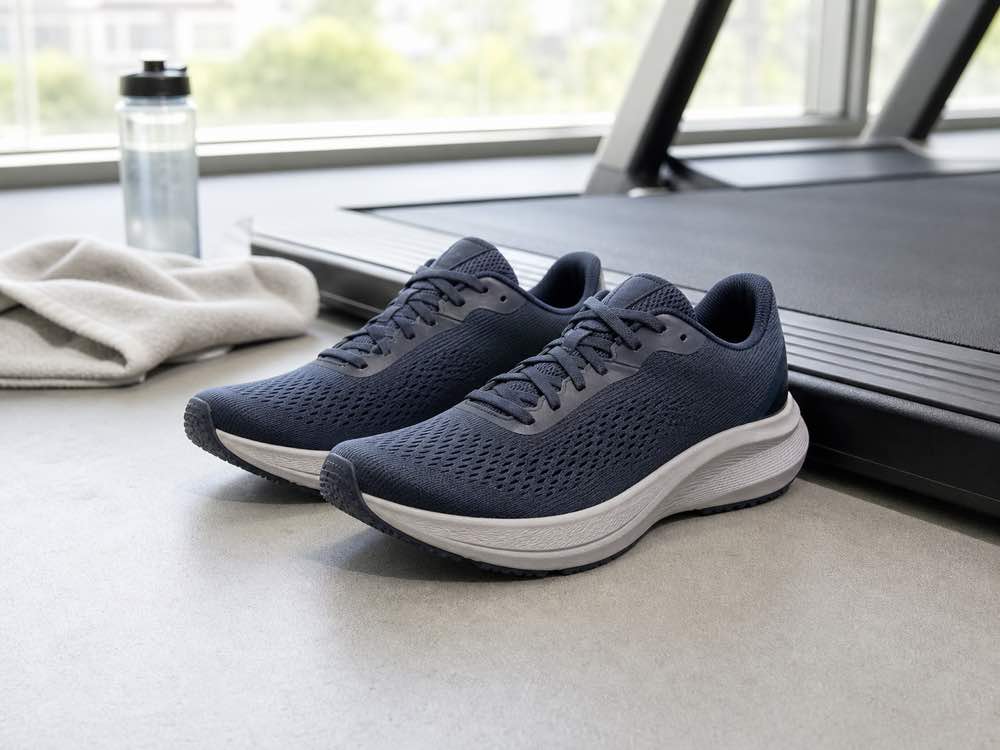
Running repeats a mostly forward movement thousands of times. Road running shoes are shaped around that pattern. Their midsoles commonly use more foam than gym trainers, and the heel-to-toe geometry is designed to make landing and toe-off feel smoother at a running pace.
That does not mean every running shoe is soft or tall. Daily trainers, stability shoes, speed shoes, and trail shoes can feel very different. The shared idea is that running comfort, forward transition, and repeated impact matter more than resisting a hard lateral cut.
Use the running shoes hub to choose the right category, or start with our best running shoes guide for daily, cushioned, stability, speed, and value paths.
What Training Shoes Are Designed to Do
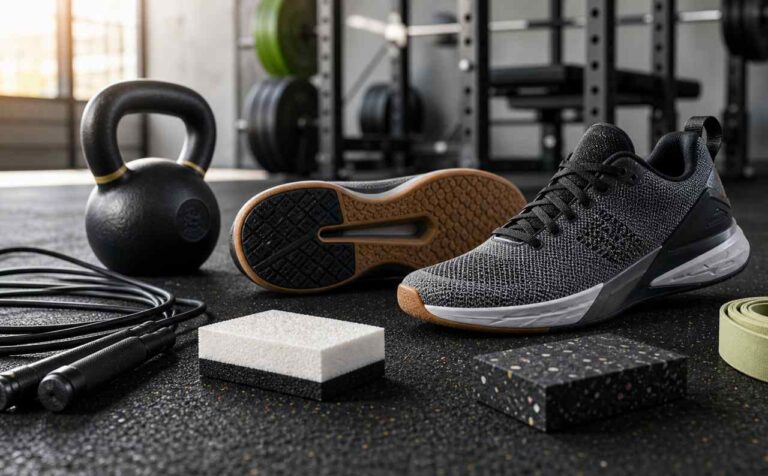
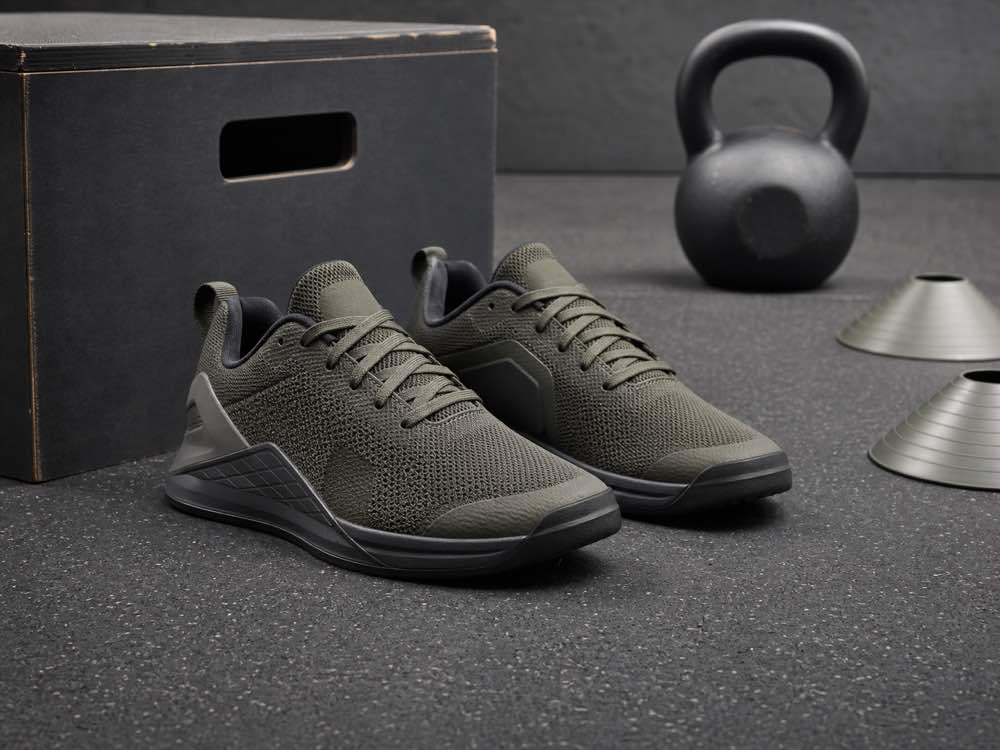
Training shoes have a broader job. A gym session may include squats, lunges, sled work, short sprints, box jumps, burpees, rowing, and quick side-to-side movement. A useful trainer needs enough flexibility to move, enough structure to contain the foot, and a platform that does not feel vague when force is directed into the floor.
Compared with a typical running shoe, a cross-training shoe often sits lower, uses firmer foam, and adds sidewall or upper reinforcement. Those choices can improve ground feel and control during lifting and lateral drills, but they also reduce the soft ride many runners want for steady mileage.
For current category choices, compare our best training shoes, best gym shoes, and best shoes for HIIT.
The Differences That Matter Most
Cushioning and ground feel
Running shoes usually prioritize impact comfort. Training shoes usually prioritize a clearer connection to the floor. Soft cushioning is useful when you are repeating strides, but it can compress and shift during loaded or lateral movements. Firm does not automatically mean better: a trainer still needs enough comfort for the jumps and short runs in your actual workout.
Platform stability
Look at the shoe from behind and from above. Training shoes commonly have a broad heel and forefoot contact area. Running shoes may also be wide and stable, but a tall soft stack can still feel less planted during squats, heavy carries, or side-to-side drills.
Flex and heel-to-toe shape
Running shoes often guide the foot forward with toe spring or rocker geometry. Training shoes need forefoot flex for lunges and burpees while keeping the heel controlled. A strongly rockered running shoe can make it harder to feel balanced during static strength work.
Upper and outsole durability
Light running mesh is built for ventilation and forward mileage. Training uppers are often reinforced where the foot pushes sideways or where equipment can rub the shoe. Outsole patterns also differ: road shoes focus on forward traction, while trainers need grip in more directions on gym surfaces.
Can You Use Running Shoes for Training?
Yes, for some sessions. Running shoes are reasonable for treadmill cardio, walking, easy elliptical work, upper-body machines, and light gym days where the shoe never feels unstable. A firmer daily running shoe may cross over better than a very soft max-cushion model.
Use more caution for heavy squats and deadlifts, loaded carries, fast lateral drills, and jump-heavy classes. If the heel visibly compresses, the foot rolls over the side of the platform, or you feel delayed contact with the floor, the running shoe is a poor match for that movement.
Can You Run in Training Shoes?
Training shoes can handle short warmups, brief treadmill intervals, shuttle runs, and the running segments inside many mixed workouts. The exact limit depends on the model, your comfort, your pace, and the surface. There is no universal mileage cutoff that applies to every shoe and every runner.
For regular road runs, longer treadmill sessions, or a walk-run program that is becoming mostly running, switch to a running shoe. A low firm trainer may feel controlled for the first few minutes but unnecessarily harsh as the run gets longer.
Can One Pair Do Both?
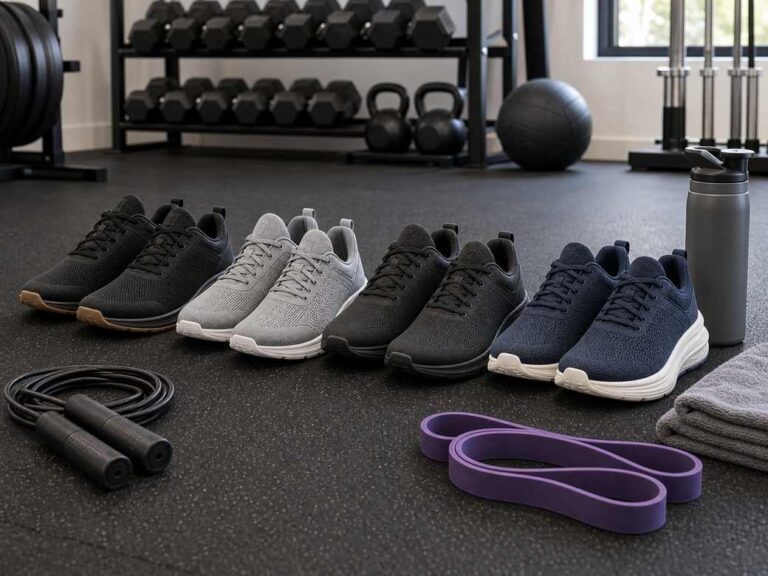
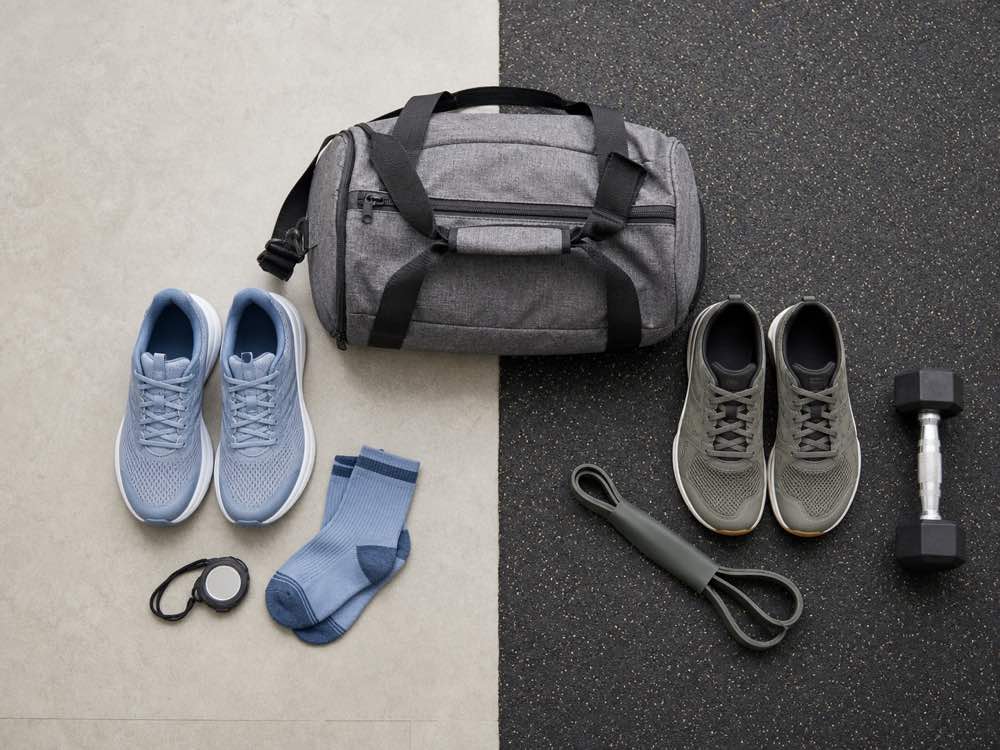
One pair can work if your runs are short and the gym is the main job. Look for a hybrid training shoe with moderate cushioning, a broad heel, forefoot flexibility, secure sidewalls, and an outsole that feels smooth enough on a treadmill.
If you run several times per week and also train seriously in the gym, two pairs are the cleaner answer. The running shoe handles mileage. The training shoe handles lifting and multidirectional work. You also avoid wearing down one pair across every surface and activity.
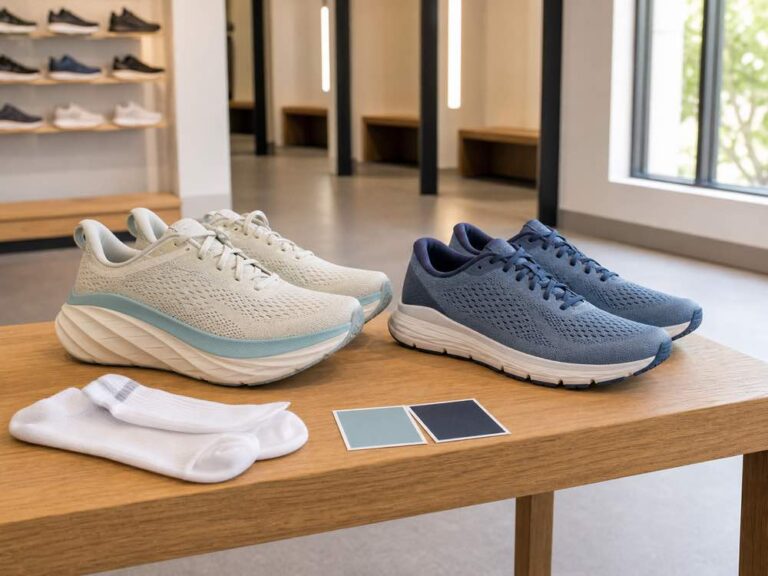
How to Check a Shoe Before You Buy
- Match the shoe to the longest or most demanding part of the workout, not the five-minute warmup.
- Press the heel and midsole. A lifting-focused shoe should not feel vague or easy to tip sideways.
- Stand, squat, and step laterally during an indoor try-on. Your foot should stay contained on the platform.
- Jog if the store allows it. A training shoe used for short runs should not slap, rub, or feel harsh immediately.
- Check toe room and heel hold with the socks you train in. Category labels cannot rescue a poor fit.
- If you use orthotics, test them in the exact shoe and confirm that the insole is removable and the upper has enough volume.
Common Mistakes
- Choosing the softest shoe for lifting because it feels comfortable while standing still.
- Choosing the flattest gym shoe for regular running because it feels stable during one short warmup.
- Assuming every shoe sold as a trainer is suitable for heavy lifting or long runs.
- Ignoring lateral containment in HIIT, court-style drills, and bootcamp classes.
- Buying one compromise pair when both running and strength training are major weekly activities.
- Using worn shoes after the platform feels uneven, the outsole loses grip, or the upper no longer holds the foot securely.
Related Guides
For category shortlists, use best running shoes and best training shoes. Budget-focused readers can compare running shoes under $100 and training shoes under $100. For workouts that stay mostly indoors, continue with best gym shoes or best shoes for HIIT.
Sources Checked
Research sources accessed July 10, 2026: Nike’s running vs training shoe guide, adidas gym shoe guide, REI running shoe buying guide, and American College of Sports Medicine running shoe guidance. Brand advice can be useful for design intent, but fit and model construction still vary.
FAQ
Can you use running shoes for training?
Yes, for treadmill cardio, walking, easy machine work, and some light gym sessions. Soft or tall running shoes are usually less suitable for heavy lifting and fast side-to-side movement because the platform can feel unstable.
Can you run in training shoes?
Many training shoes can handle short warmups, brief intervals, or mixed workouts. Regular road miles and longer treadmill runs are usually more comfortable in running shoes designed for repeated forward impact.
Which shoes are better for HIIT?
Training shoes are the better default for HIIT because they are designed for jumps, direction changes, bodyweight work, and short bursts. A running-heavy class may call for a hybrid trainer or running shoe.
Are running shoes good for weightlifting?
They can work for light lifting if the shoe feels stable, but soft cushioned running shoes are a poor default for heavy squats, deadlifts, or loaded carries. Use a stable trainer or a lifting-specific shoe for those jobs.
Do you need two pairs for running and the gym?
If you regularly run and lift, two purpose-built pairs are the clearest solution. One hybrid trainer can cover short runs and mixed gym sessions, but it will involve tradeoffs in running comfort or lifting stability.
Final Recommendation
Choose running shoes when the workout is mainly miles. Choose training shoes when the workout is mainly lifting, HIIT, classes, or multidirectional gym work. If both are major parts of your week, use two pairs. If runs stay short and you want one gym-first shoe, choose a stable hybrid trainer and accept that it will not feel like a dedicated running shoe.
Retailer note: Retailer links are added only after each destination is verified; commercial links use sponsored/nofollow handling.