Best Gym Shoes in 2026
Disclosure: Shoe Like may earn a commission when you buy through links on this page. This does not affect our recommendations. We do not show live prices, discounts, stock status, ratings, or retailer availability unless we have verified them.
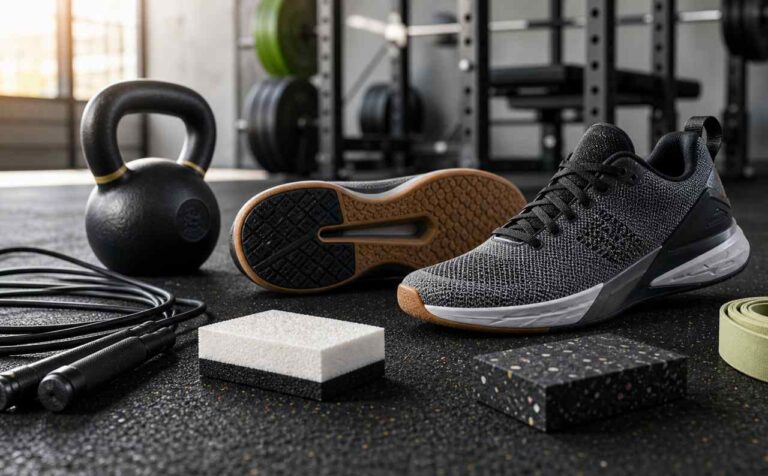
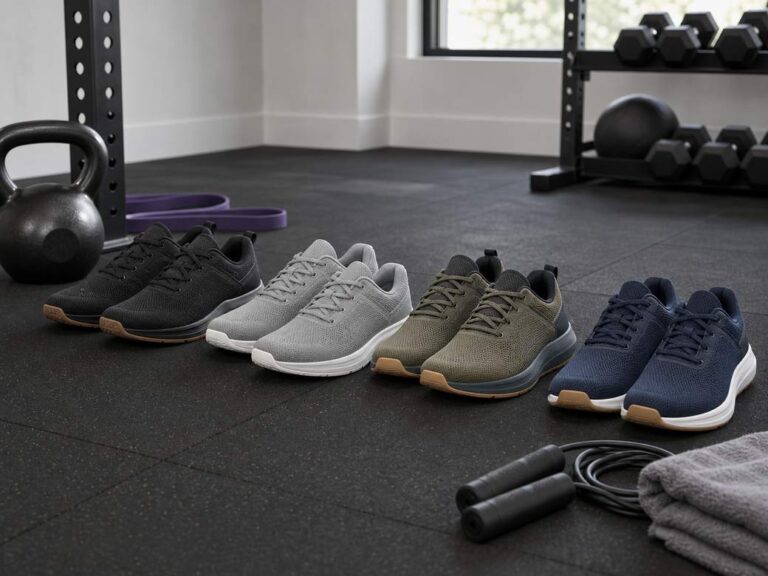
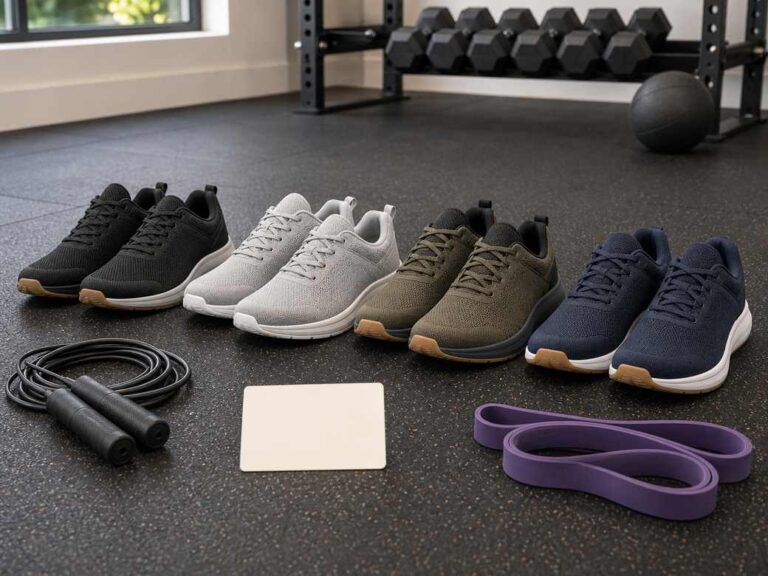
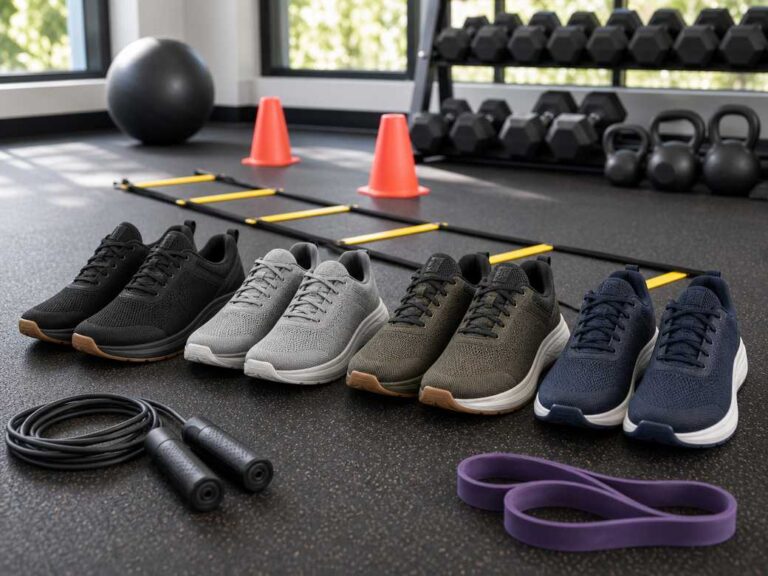
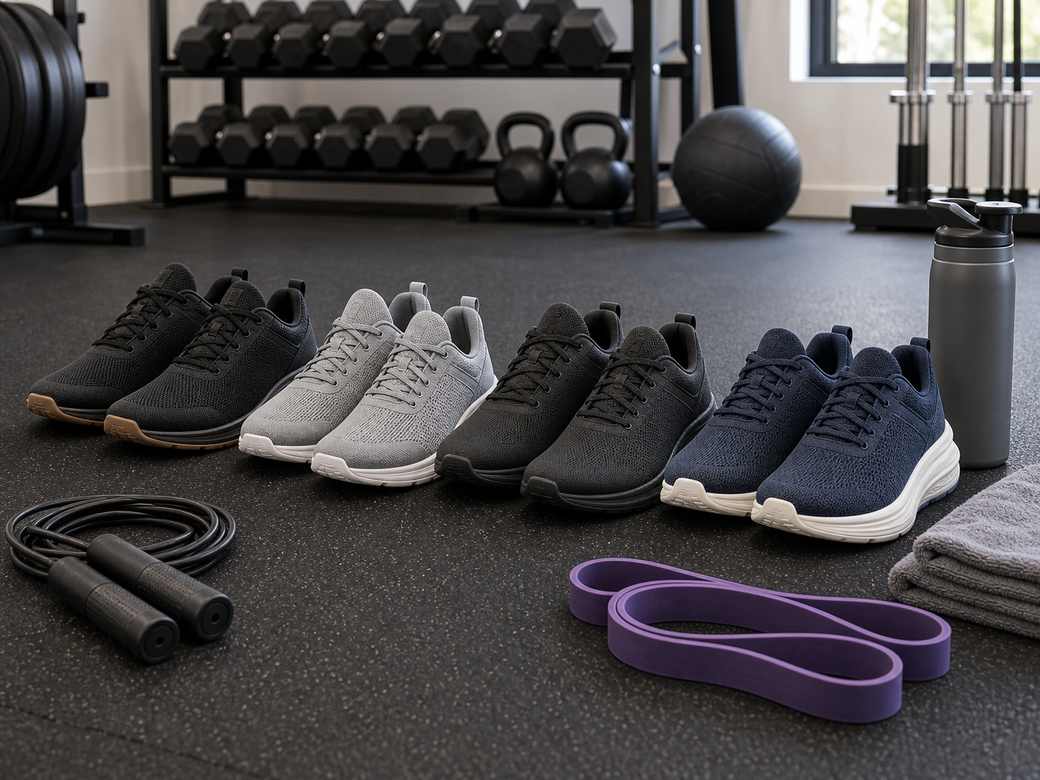
The best gym shoes are not one single type of shoe. A lifter, a treadmill walker, a group-class regular, and someone who uses machines three times a week all need different things underfoot. That is why this guide treats gym shoes as a decision tree: stable trainers for lifting, flexible trainers for classes, budget trainers for general fitness, and running shoes only when running is actually the main workout.
Short answer: start with the Reebok Nano X5 if you want the best all-around gym training shoe, Nike Metcon 10 if lifting stability matters most, Nike Free Metcon 6 if classes and flexibility matter more, Reebok Nano Gym 2.0 if you want a practical gym shoe at a lower price ceiling, Adidas Dropset 3 if strength work drives the purchase, and Nike MC Trainer 3 if you want a simpler budget Nike option.
Quick Picks
| Pick | Best for | Why it fits the gym | Watch out for |
|---|---|---|---|
| Reebok Nano X5 | Best overall gym shoe | Reebok’s official Nano X5 page positions it around gym and training use, making it the clearest all-around shortlist pick. | Not a replacement for regular road-running shoes. |
| Nike Metcon 10 | Best lifting-focused Nike gym shoe | A current Metcon model to compare when bracing, lifting, and stable gym movement matter most. | Can feel firm if you want plush cardio cushioning. |
| Nike Free Metcon 6 | Best flexible class option | A better Nike lane for bodyweight circuits, classes, and forefoot bend than stiffer trainers. | Less ideal for heavy barbell-first work. |
| Reebok Nano Gym 2.0 | Best value-friendly general gym shoe | Reebok’s Nano Gym page describes a gym shoe for every workout and strength training context. | Right at the budget line; check current price and fit. |
| Adidas Dropset 3 | Best strength-training comparison | A sensible shoe type to compare if stable lifting matters more than cardio comfort. | Not the first pick for long treadmill sessions. |
| Nike MC Trainer 3 | Best simple budget gym option | A Nike training search target for general gym shoppers who do not need premium Metcon pricing. | Verify current page and price before buying. |
1. Reebok Nano X5
Best overall gym shoe.
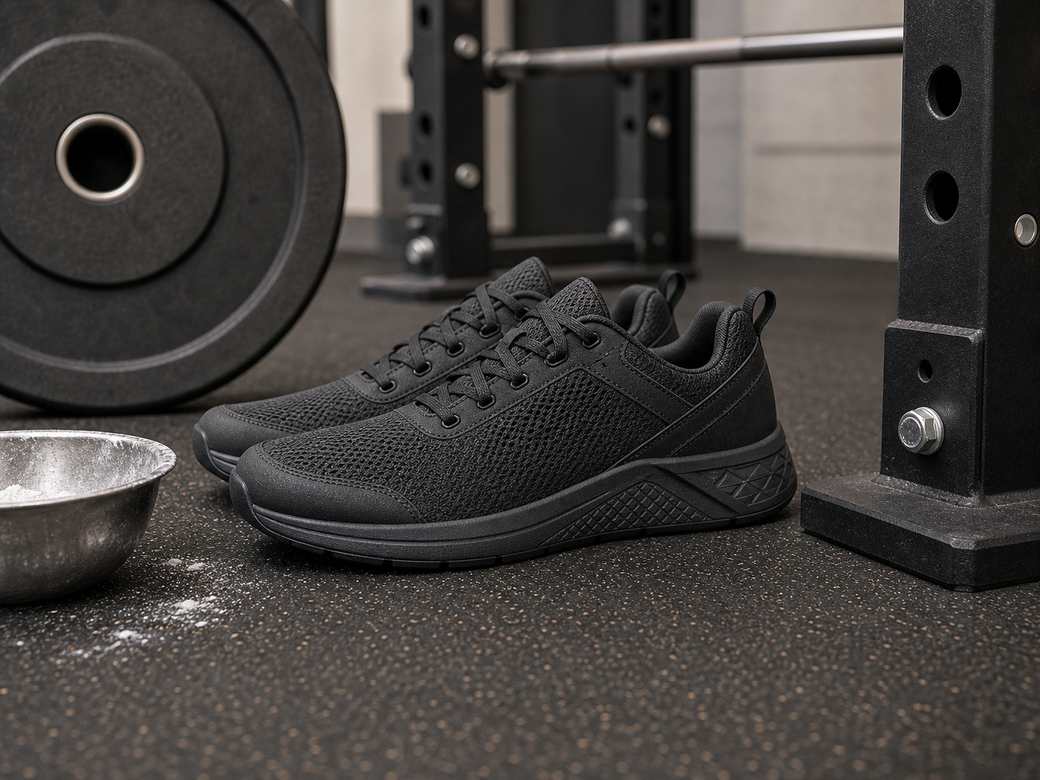
The Reebok Nano X5 is the first shoe to compare if you want one gym shoe for mixed workouts. Reebok’s official Nano X5 page was accessible during research and positioned the line around gym and training use. That makes it a strong fit for people who lift, row, jump rope, use machines, take classes, and do short warmups in the same week.
Who should avoid it: Skip it if your main workout is regular road running or if you want the softest possible walking shoe.
2. Nike Metcon 10
Best gym shoe for lifting stability.
The Metcon line is the Nike lane most shoppers compare for serious gym work. Nike’s search pages showed Metcon 10 context during research, though product pages can vary by region. The reason it belongs here is the category logic: lifters need a shoe that feels planted when they squat, hinge, press, and brace.
Who should avoid it: Skip it if you want a plush treadmill shoe or a flexible studio-class feel.
3. Nike Free Metcon 6
Best flexible gym shoe for classes.
Free Metcon 6 is the Nike comparison point for people who want more bend and class comfort than a stiffer lifting-focused trainer. It makes sense for bodyweight circuits, dumbbell classes, lunges, mobility work, and short warmups where flexibility matters.
Who should avoid it: Skip it if your workouts are heavy barbell sessions where maximum stability is priority one.
4. Reebok Nano Gym 2.0
Best value-friendly general gym shoe.
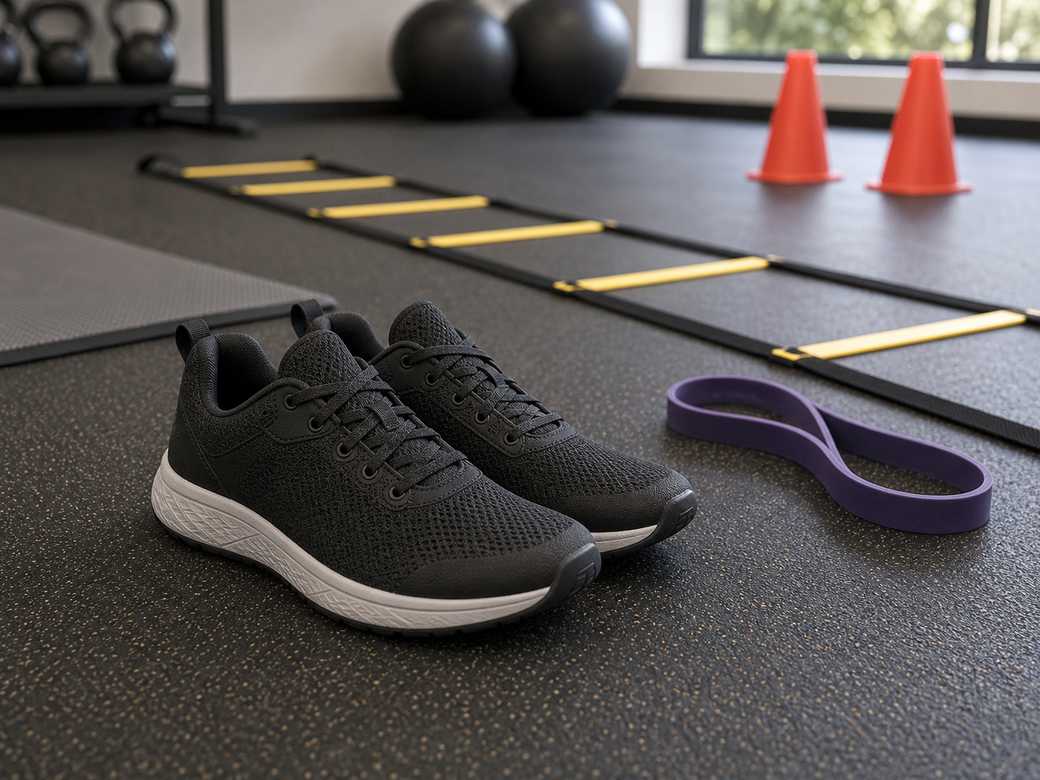
Reebok’s Nano Gym 2.0 page was accessible during research and described a gym shoe for every workout, including strength training and staying light on your feet. That makes it a practical pick for newer gym users and anyone who wants a general-purpose shoe without moving straight to premium training-shoe pricing.
Who should avoid it: Skip it if you already know you need a more specialized lifting or running shoe.
5. Adidas Dropset 3
Best gym shoe to compare for strength work.
The Dropset 3 belongs in the gym-shoe conversation because it represents the strength-training side of the category. If squats, deadlifts, lunges, and machine work are the main reason you are buying, a flatter and more planted shoe type often makes more sense than a soft running shoe.
Who should avoid it: Skip it if cardio classes, treadmill work, or walking comfort are more important than lifting stability.
6. Nike MC Trainer 3
Best simple budget nike gym shoe.
The MC Trainer 3 is a simpler Nike value lane for general gym use. Nike search pages showed MC Trainer 3 context during research, but page availability can vary, so verify the current product page before buying. It is the kind of shoe to compare for machines, basic strength circuits, and short warmups.
Who should avoid it: Skip it if you need premium lifting stability, high-volume HIIT durability, or running-shoe cushioning.
How to Choose Gym Shoes
Start with your actual gym week. If you lift heavy, choose stability first. If you take classes, choose flexibility and lateral hold. If you use machines and walk on the treadmill, choose comfort without going too soft. If you run several miles, buy running shoes for running and gym shoes for gym movement.
A good gym shoe should keep your foot centered when you lunge, step, squat, and move side to side. It should not feel like your foot is spilling over the platform. The upper should hold the midfoot without crushing it, and the heel should stay secure without lace pressure.
Do not judge only by softness. Soft running shoes can feel great for walking into the gym, then unstable under a squat or during lateral drills. On the other side, very firm trainers can feel excellent for lifting but unpleasant for treadmill time. The best gym shoe is the one that matches your main workout.
Gym Shoes vs Running Shoes
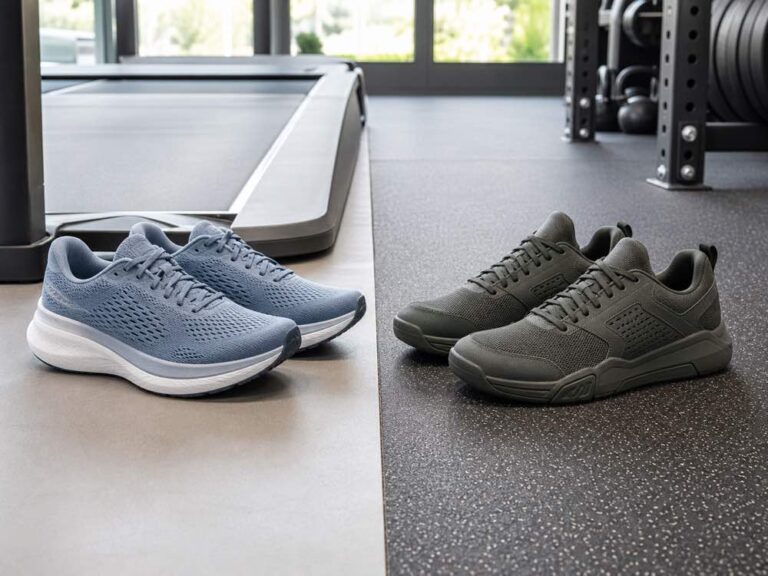
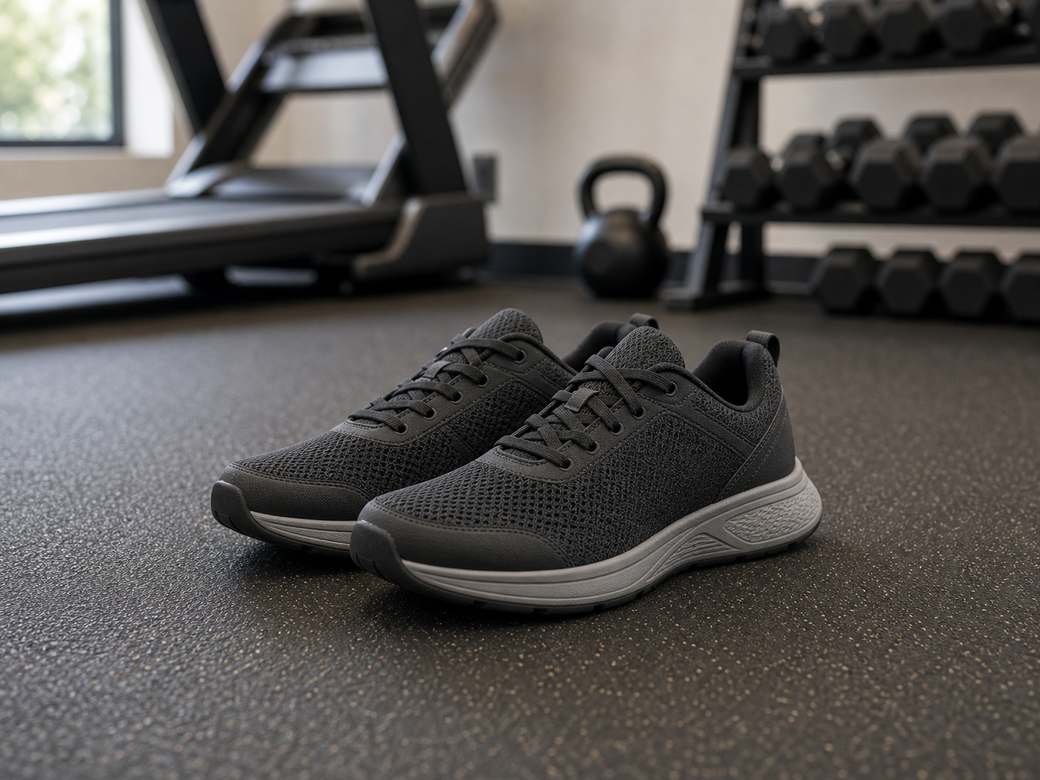
Running shoes are built for repeated forward impact. Gym shoes are built for mixed movement: lifting, stepping, side-to-side control, machines, and short warmups. That difference matters most when you lift or change direction. A tall, soft running shoe can wobble under load. A firm gym shoe can feel harsh for repeated running.
If you do both seriously, two pairs usually make sense. Use running shoes for regular mileage and gym shoes for strength, classes, and mixed workouts. If your gym routine is only light machines and treadmill walking, a comfortable running-walking shoe can work, but it is not ideal for heavier lifting.
What to Avoid
- Buying lifestyle sneakers for lifting, HIIT, or classes.
- Using soft max-cushion running shoes for heavy squats and deadlifts.
- Choosing the stiffest shoe if your workouts are mostly classes and mobility.
- Ignoring heel slip, toe squeeze, or sidewall rollover during try-on.
- Buying by brand before choosing the movement pattern.
- Trusting old sale pages without checking current model, size, price, and return policy.
Alternatives and Related Guides
If you want a more training-specific shortlist, use our best training shoes guide. If budget matters most, compare best training shoes under $100. For category context, start from the training shoes hub or read running shoes vs training shoes.
Sources Checked
Research sources accessed July 8, 2026: Reebok Nano X5 collection, Reebok Nano Gym 2.0 collection, Nike search results for Metcon 10, Nike search results for Free Metcon 6, and Nike search results for MC Trainer 3. Product pages, stock, colors, widths, and prices change quickly, so verify the current retailer page before buying.
FAQ
What shoes are best for the gym?
The best shoes for the gym depend on your workout. Choose stable trainers for lifting, flexible trainers for classes, and running shoes only if regular running is the main part of your gym routine.
Can I wear running shoes to the gym?
Running shoes can work for treadmill sessions and light machines, but soft tall running shoes can feel unstable for lifting, HIIT, lunges, and lateral movement.
Are gym shoes and training shoes the same?
The terms often overlap. Gym shoes is the broader shopper term, while training shoes usually refers to footwear built for mixed gym movement, lifting, HIIT, and classes.
What gym shoes are best for lifting?
For lifting, look for a firm stable base, secure heel, and enough outsole grip. Nike Metcon 10 and Adidas Dropset 3 are the types of shoes to compare if lifting stability is the priority.
What gym shoes are best for classes?
For classes, look for flexibility, forefoot comfort, lateral hold, and enough cushioning for repeated steps and jumps. Nike Free Metcon 6 and Reebok Nano Gym 2.0 are useful comparison lanes.
Final Recommendation
Start with Reebok Nano X5 if you want one gym shoe for most mixed workouts. Choose Nike Metcon 10 if lifting stability matters most. Choose Nike Free Metcon 6 if classes and flexibility matter more. Choose Reebok Nano Gym 2.0 if you want a practical general gym shoe. Add Adidas Dropset 3 for strength-first training and Nike MC Trainer 3 if you want a simpler budget Nike option.
Retailer note: Retailer links are added only after each destination is verified; commercial links use sponsored/nofollow handling.