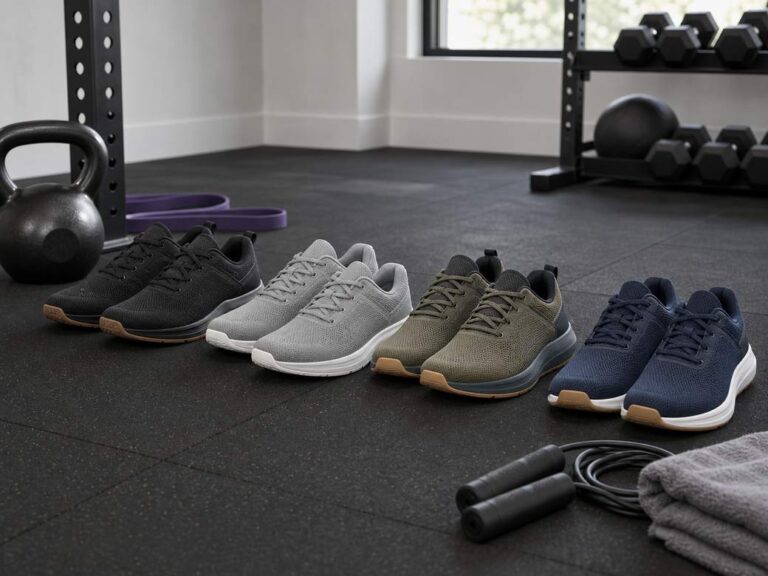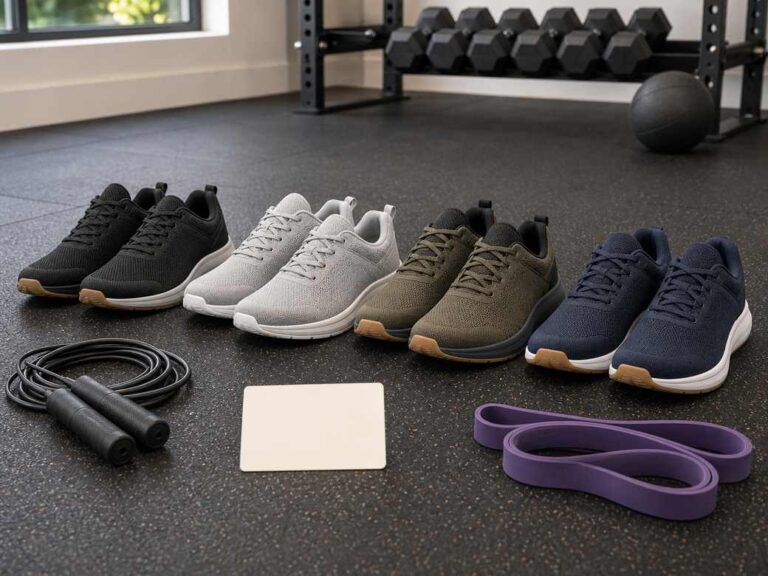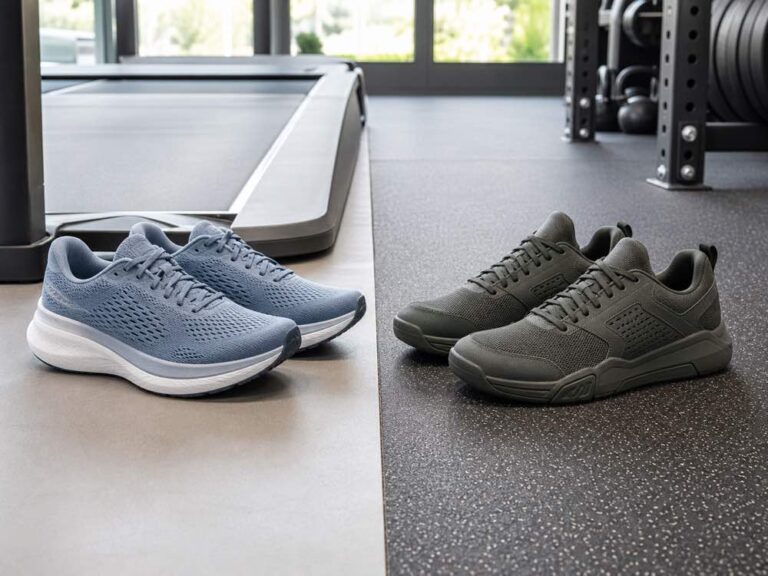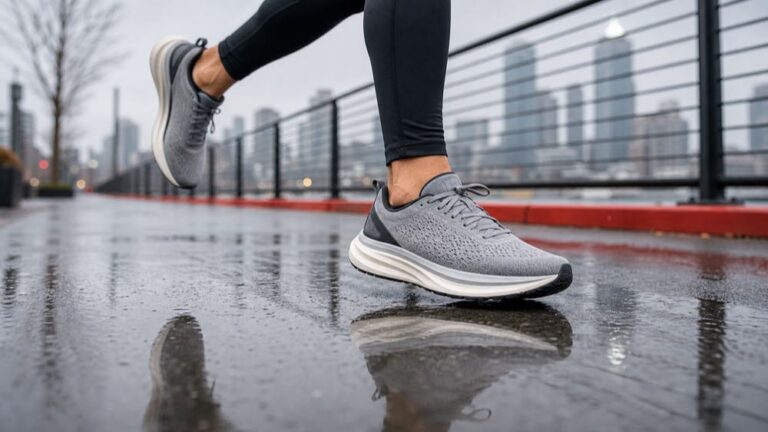
Training Shoe Reviews
Disclosure: Shoe Like may earn a commission when you buy through links on this page. This does not affect our recommendations. We do not show live prices, discounts, stock status, ratings, or retailer availability unless we have verified them.
Training shoe reviews need a different lens than running shoe reviews. A good training shoe has to stay stable under a loaded squat, grip rubber flooring during lateral drills, feel secure during HIIT, handle rope climbs or sled work if needed, and still be comfortable enough for warmups and short cardio blocks. A soft running shoe can feel great for jogging and still be the wrong tool for lifting or side-to-side work.
This page is the Shoe Like review hub for gym shoes, cross-training shoes, HIIT shoes, lifting-friendly trainers, hybrid running and training shoes, and budget training shoes. The goal is to explain what matters before you buy: stability, grip, platform firmness, forefoot flexibility, heel lockdown, lateral containment, durability, comfort, and whether the shoe matches your workout style.
How We Review Training Shoes
Every review starts with the workout. Lifting, HIIT, studio classes, treadmill warmups, agility drills, jump rope, sled pushes, and everyday gym use all ask different things from a shoe. A shoe that feels amazing for burpees may be too soft for heavy squats. A very flat lifting shoe may feel stable under a barbell but harsh for conditioning. A hybrid shoe can be useful, but only if the trade-offs are clear.
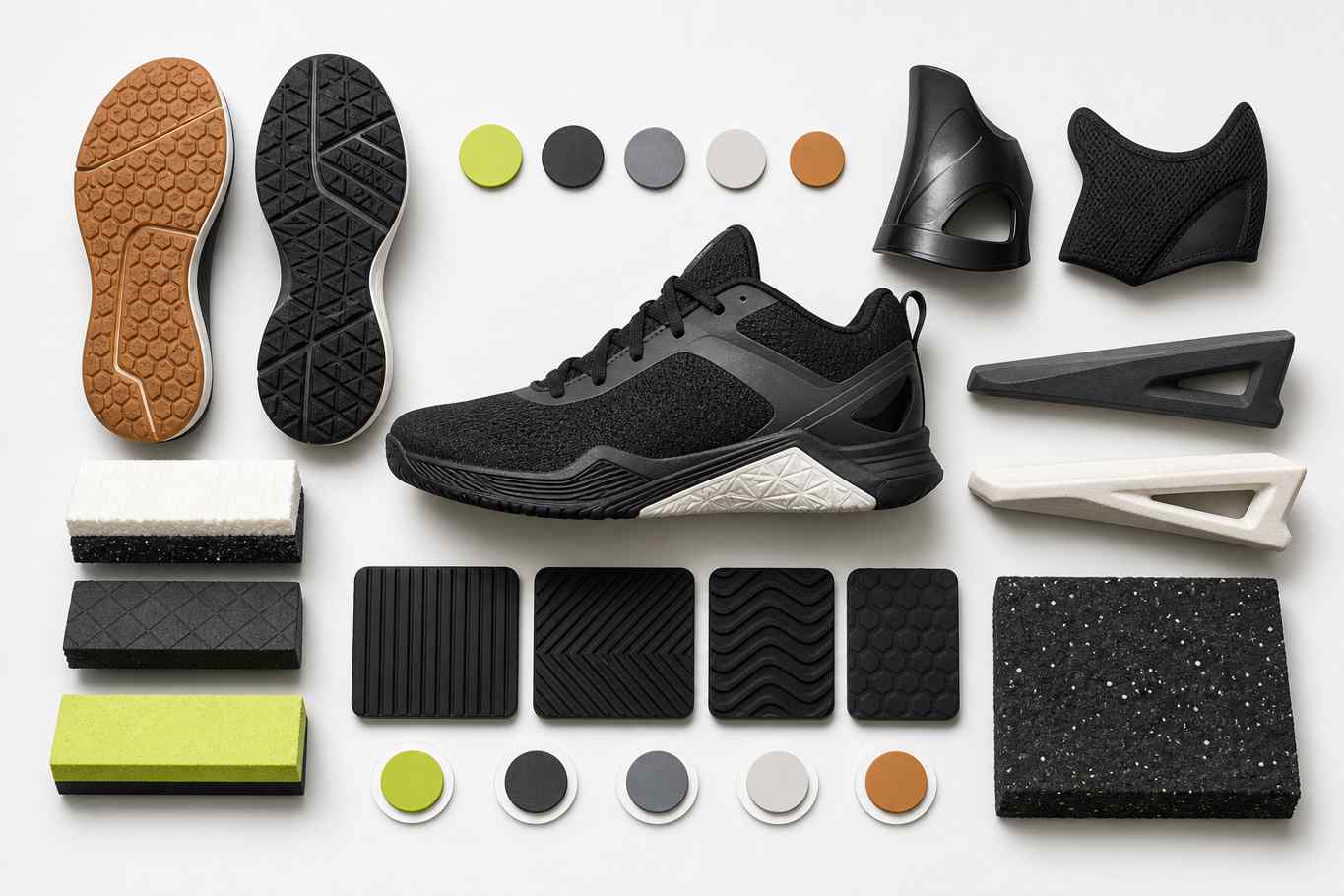
We look at the platform first. Training shoes usually need a flatter, more stable base than road running shoes. The heel should not wobble, the midsole should not collapse under load, and the forefoot should flex enough for lunges, planks, and agility work. A secure upper also matters because your foot should not slide over the edge during lateral movement.
We also separate gym comfort from running comfort. A shoe can handle short treadmill warmups without being built for long runs. If you regularly run several miles, a true running shoe is usually better. If you lift, jump, cut, and do circuits, a training shoe should be judged by gym movements first.
What Our Training Shoe Reviews Measure
| Review area | What we look for | Why it matters |
|---|---|---|
| Stability | Heel firmness, platform width, midsole compression, sidewall support | A training shoe should feel planted under load and during quick changes of direction. |
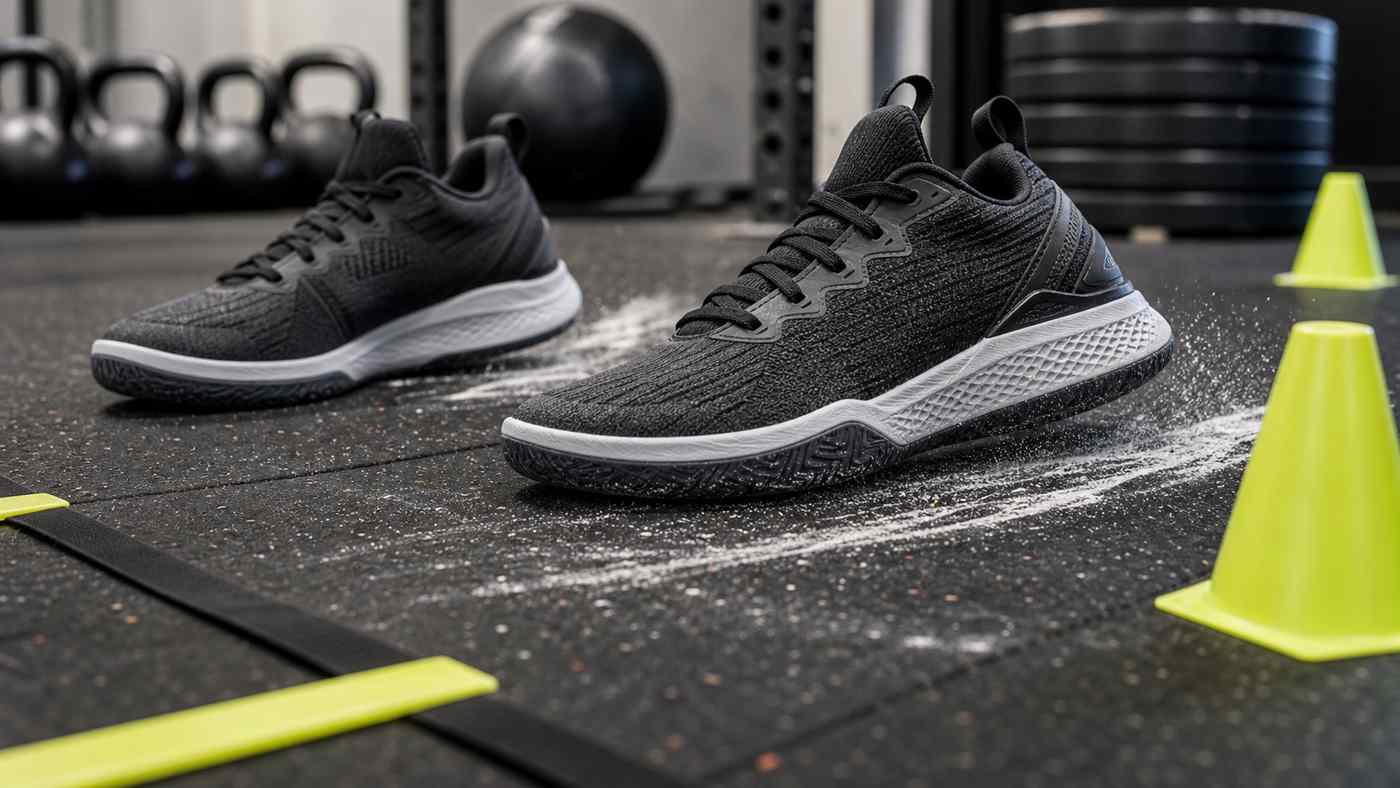
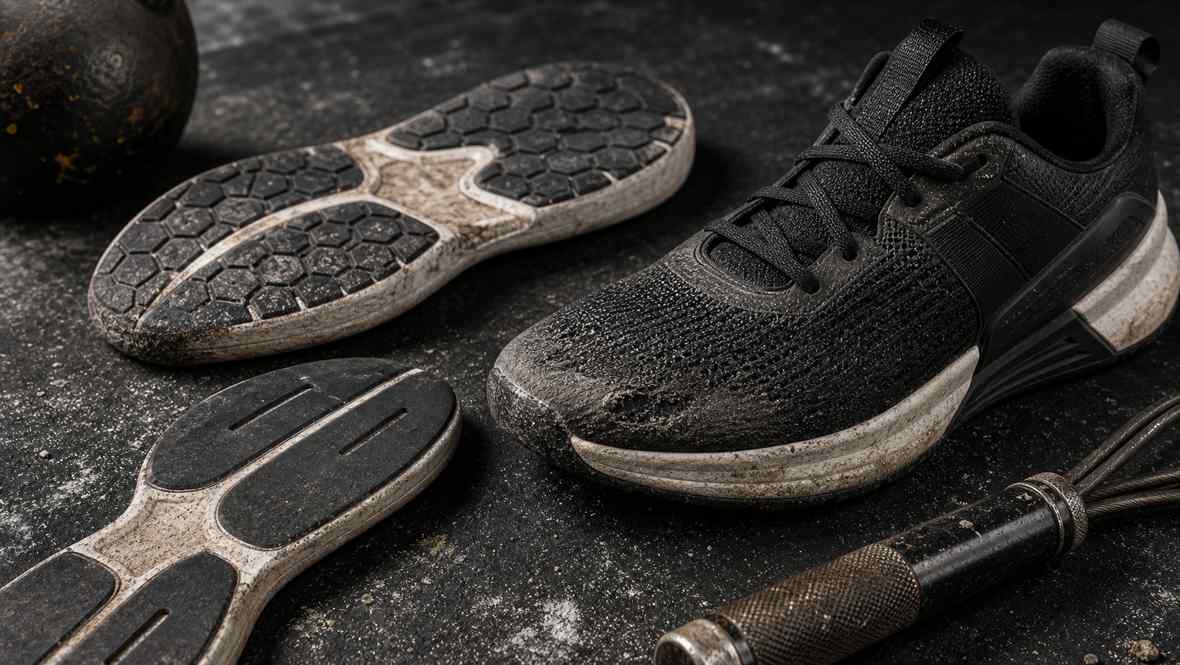
| Grip | Rubber floor traction, dust behavior, sled push bite, rope and turf usability | Good grip helps with HIIT, lifts, classes, and gym floor transitions. |
| Lockdown | Heel hold, lace security, tongue comfort, midfoot wrap, forefoot containment | Your foot should stay centered when you move side to side. |
| Flexibility | Forefoot bend, plank comfort, lunge feel, toe-off for short cardio | Too stiff can feel awkward; too flexible can feel unstable. |
| Cushioning | Impact comfort, jump landing feel, treadmill warmup comfort, floor feedback | Training shoes need enough protection without becoming squishy. |
| Durability | Outsole wear, sidewall scuffs, upper abrasion, rope drag, toe wear | Gym movements stress shoes differently than road running. |
| Value | Workout match, versatility, alternatives, expected wear, sale usefulness | A good deal is only good if the shoe fits your training style. |
The same shoe can be great for one workout and mediocre for another. A soft trainer may feel good for jump-heavy classes but unstable for heavy lifting. A firm trainer may be excellent for strength work but less comfortable for treadmill intervals. A wide stable trainer may feel secure but not as nimble for fast footwork. Reviews should name those trade-offs rather than hiding them behind one overall score.
How to Read a Training Shoe Review
Start with your main workout, not the brand. If you lift often, look for platform stability, heel security, and a firm enough base. If you do HIIT or studio classes, prioritize grip, lateral containment, flexibility, and landing comfort. If you want one shoe for gym plus short runs, look for a hybrid option, but understand that hybrids usually give up something compared with dedicated running or lifting shoes.
Next, read the fit notes carefully. Training shoes can feel narrow in the midfoot, low in volume, stiff through the upper, or snug around the toes because they are built to hold the foot during movement. Wide-foot shoppers should pay special attention to toe box shape and sidewall pressure. People who use orthotics should check internal volume and heel hold.
Finally, compare alternatives by workout type. Do not compare a lifting-focused trainer, a HIIT shoe, and a running-friendly hybrid as if they solve the same problem. A useful review tells you whether a shoe is better for barbell work, classes, treadmill warmups, agility, rope work, outdoor bootcamp, travel gyms, or all-around value.
Review Categories We Cover
This hub will organize training shoe reviews by real buying intent: best training shoes, best gym shoes, best HIIT shoes, best training shoes under 100, lifting-friendly trainers, wide-foot training shoes, travel gym shoes, beginner gym shoes, and hybrid running-training shoes. Each category needs its own review lens. A shoe can be excellent for lifting and still poor for running. Another can be comfortable for classes but too unstable under heavier loads.
If you are still choosing the category, start with our Training Shoes hub, best training shoes guide, best gym shoes guide, best shoes for HIIT guide, and running shoes vs training shoes guide. Those pages help you choose the shoe type before comparing individual reviews.
What We Avoid in Reviews
We avoid treating every athletic shoe as a training shoe. Running shoes, basketball shoes, walking shoes, and lifestyle sneakers can overlap with gym use in small ways, but they are not automatically good for lifting or HIIT. We also avoid live price, discount, rating, and stock claims unless those details have been checked. Training shoe value depends on the workout match first, then price.
We also avoid claiming that one shoe can do everything perfectly. Versatile shoes are useful, but every versatile design makes compromises. The review should explain whether the compromise is worth it for your routine.
Sources and Methodology
This guide is based on editorial desk research, not an unreported hands-on test. The Shoe Like Editorial Team reviewed current manufacturer information and official foot-health or sports guidance, then compared intended use, fit, cushioning, stability, width options, and practical buying considerations. This page is an editorial research guide or review index and does not claim hands-on laboratory testing of every model. We do not publish unverified prices, ratings, stock, or performance claims.
Sources checked: APMA guidance for choosing shoes for sports; Nike training and gym shoes. Product lines and availability can change, so verify the current model and fit with the manufacturer or retailer before buying.
FAQ
What matters most in a training shoe review?
Stability, grip, lockdown, lateral support, flexibility, cushioning, and workout match are usually the most important parts. The right shoe depends on whether you lift, do HIIT, take classes, or need a hybrid.
Can running shoes be used for training?
Running shoes can work for warmups and light gym days, but soft or tall running shoes are often unstable for lifting and lateral movement. Regular gym training is usually better in a dedicated training shoe.
Are training shoes good for lifting?
Many training shoes are good for general lifting if they have a stable base and firm enough platform. Very heavy barbell work may still call for a more specialized lifting shoe.
Can training shoes handle short runs?
Some training shoes can handle short treadmill runs or warmups, but they are usually not the best choice for regular road running. Use a running shoe if mileage is a major part of your routine.