
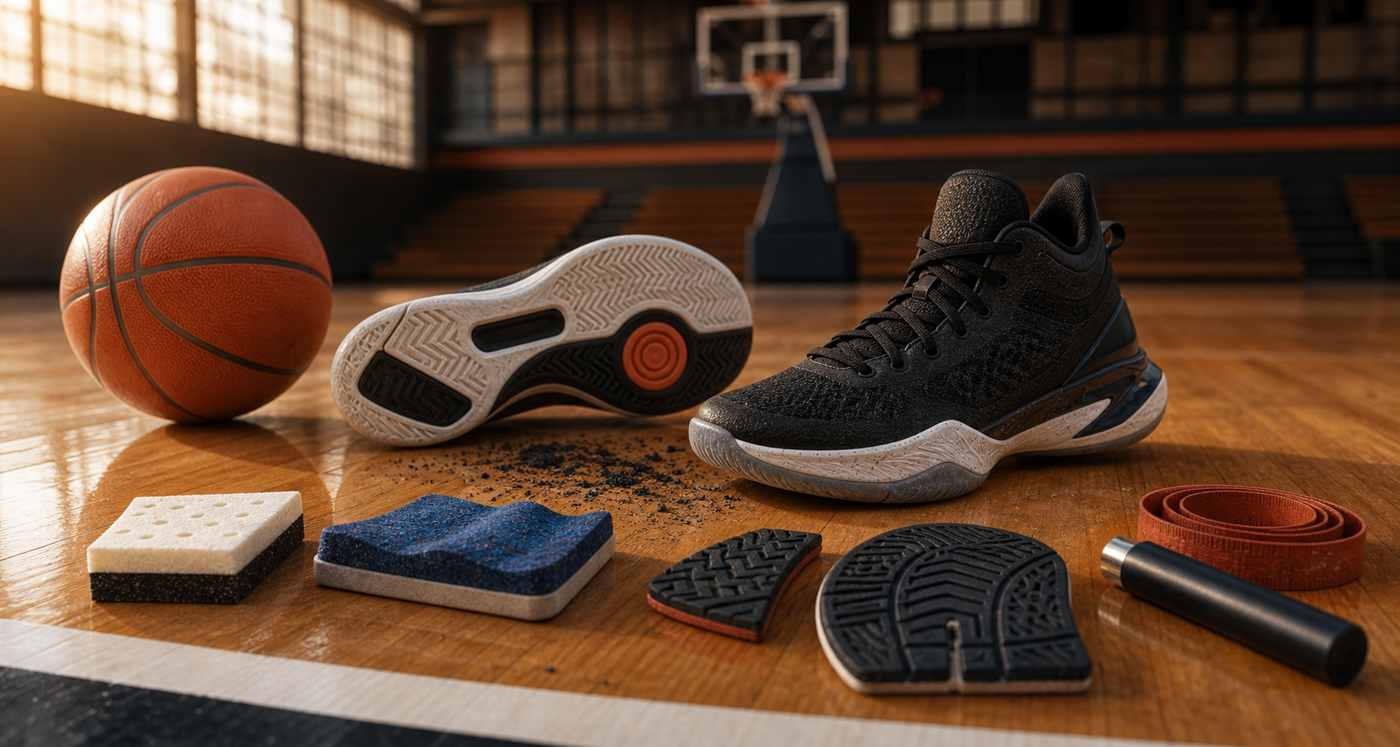
Basketball Shoe Reviews
Disclosure: Shoe Like may earn a commission when you buy through links on this page. This does not affect our recommendations. We do not show live prices, discounts, stock status, ratings, or retailer availability unless we have verified them.
Basketball shoe reviews should answer a different question than running shoe reviews. On court, a shoe has to stop hard, change direction, hold the foot over the footbed, protect landings, stay stable on lateral moves, and survive the surface you actually play on. A shoe can feel comfortable in a store and still fail when the court is dusty, the outsole is too soft for concrete, or the upper lets your foot slide on a hard cut.
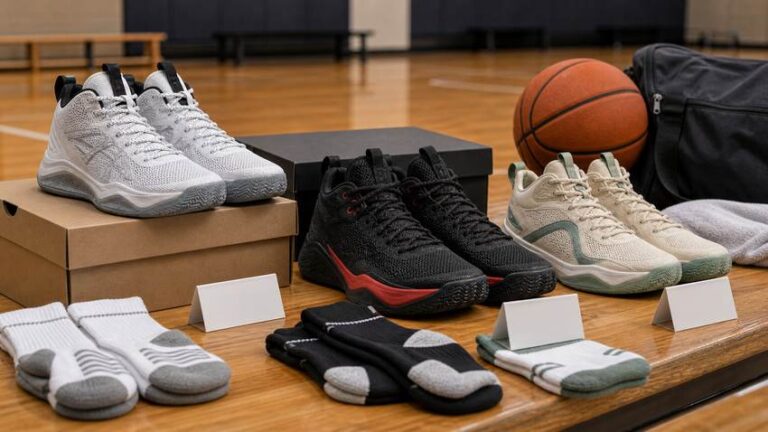
This page is the Shoe Like review hub for basketball shoes. It explains how we think about traction, lockdown, cushioning, support, court feel, durability, position fit, indoor versus outdoor use, value, and alternatives. The goal is not to crown one universal best shoe. The goal is to help guards, wings, bigs, outdoor players, wide-foot players, and budget shoppers understand what trade-offs matter before they buy.
How We Review Basketball Shoes
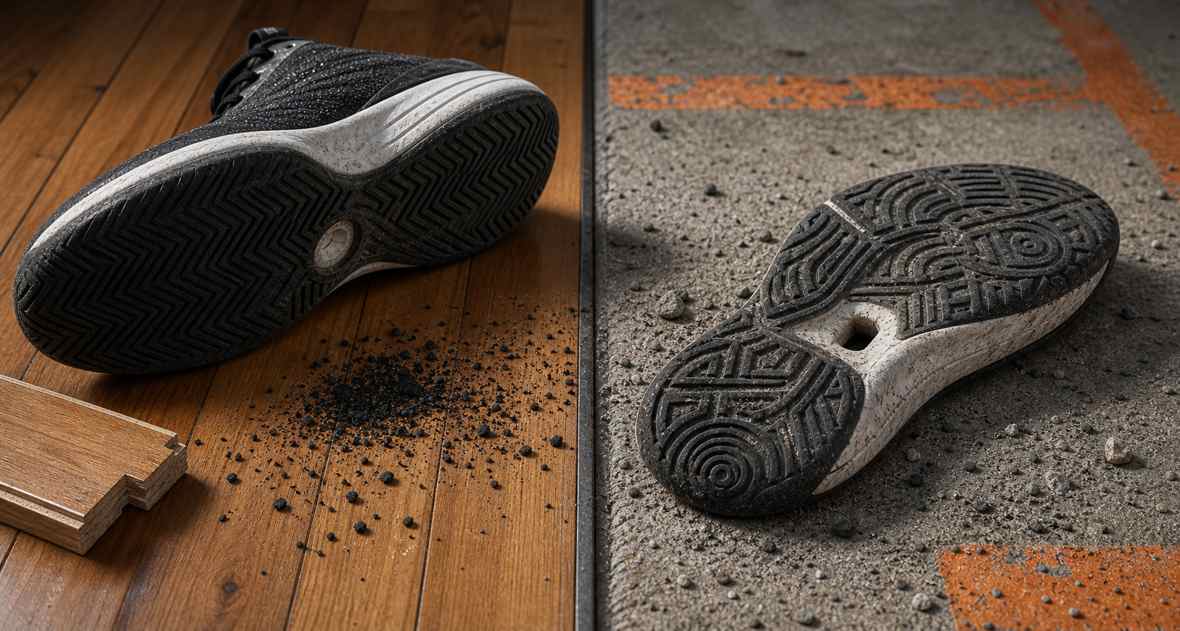
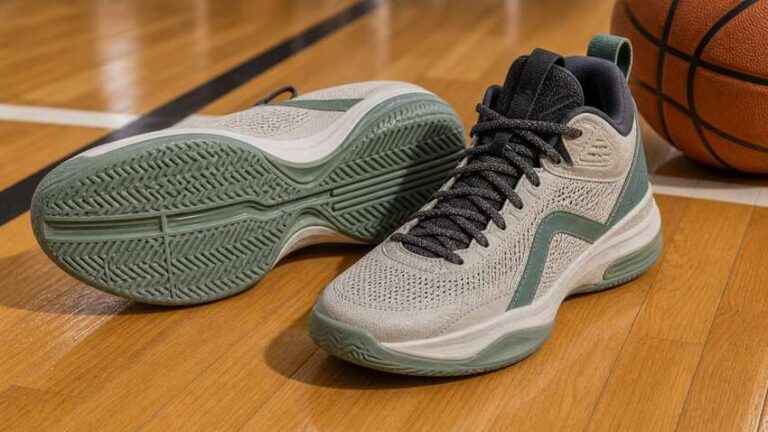
Every review starts with the court. Indoor hardwood, dusty rec-center floors, rubberized gym surfaces, and outdoor concrete all change what a shoe needs to do. A great indoor traction pattern can wear quickly outdoors. A durable outdoor outsole can feel heavier or less sticky indoors. If a review does not name the surface, it is missing a major part of the buying decision.
Next we look at movement. Basketball is full of hard stops, jab steps, defensive slides, landings, pivots, and sudden changes of pace. That means lockdown and lateral stability matter as much as cushioning. The shoe should keep the heel seated, hold the midfoot securely, and prevent the forefoot from spilling over the edge on aggressive cuts.
We also separate support from injury promises. A supportive basketball shoe can feel more stable, secure, and confidence-building, but no shoe can guarantee ankle injury prevention. Reviews should explain collar comfort, heel counter strength, base width, torsional stiffness, containment, and fit instead of turning ankle support into a magic claim.
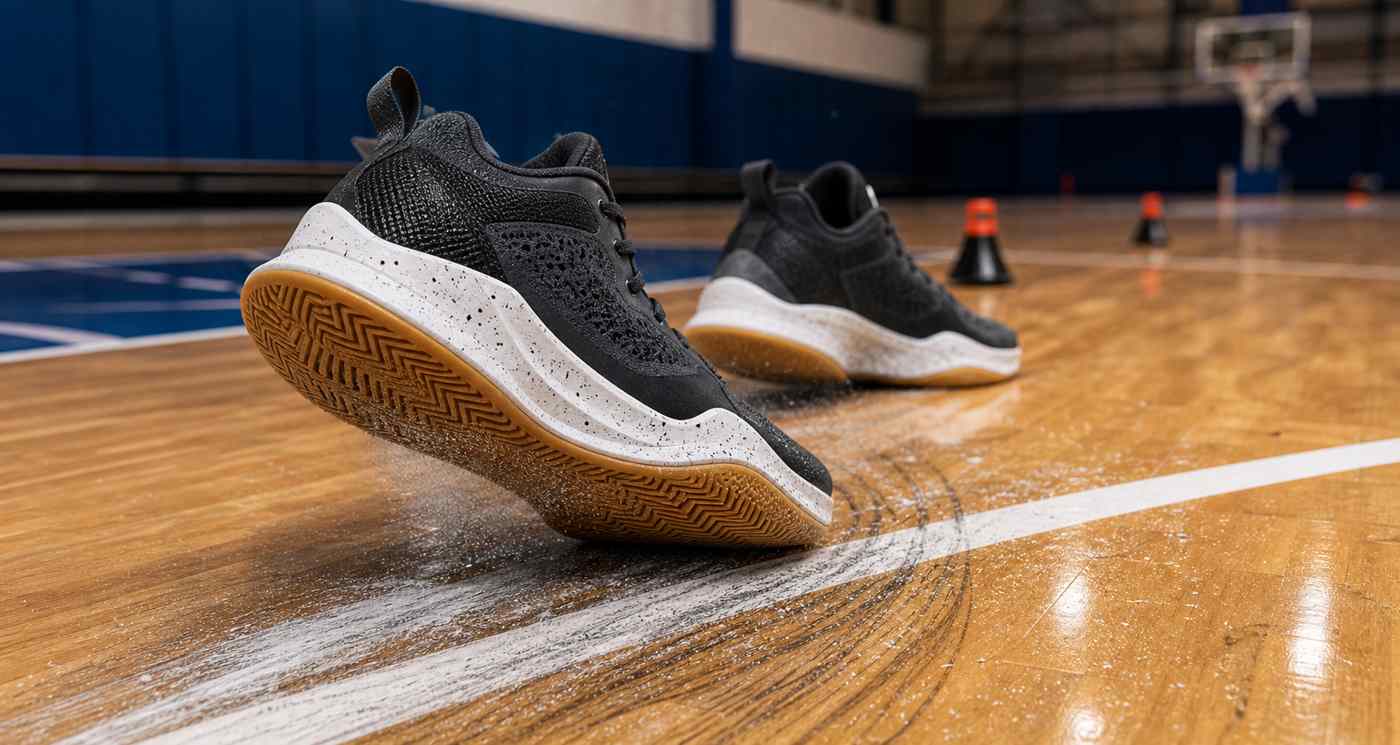
What Our Basketball Shoe Reviews Measure
| Review area | What we look for | Why it matters |
|---|---|---|
| Traction | Bite on clean courts, dust pickup, wipe frequency, stopping confidence, outdoor grip | Traction decides whether you can stop, slide, and cut with trust. |
| Lockdown | Heel hold, lace security, tongue padding, midfoot wrap, forefoot containment | Your foot should move with the shoe, not inside it. |
| Cushioning | Impact protection, court feel, heel-to-forefoot balance, bounce, fatigue comfort | Guards, wings, and bigs often need different cushion trade-offs. |
| Support | Base width, sidewall coverage, heel counter, torsional stiffness, collar feel | Support is about stability and control, not just shoe height. |
| Fit | Toe room, width, volume, break-in, hot spots, orthotic space | A shoe that pinches or feels sloppy will not play well. |
| Durability | Rubber hardness, outsole depth, upper stress, toe drag, outdoor abrasion | Outdoor and high-frequency players need shoes that age well. |
| Value | Use-case match, versatility, alternatives, sale timing, expected wear | A deal only matters if the shoe fits your court and play style. |
The same shoe can score differently for different players. A low, quick guard shoe may feel fast and responsive but under-cushioned for heavier players. A plush shoe may protect landings but feel slow for small guards. A supportive high-top can feel secure to one player and restrictive to another. A good review should explain those trade-offs instead of hiding them behind one number.
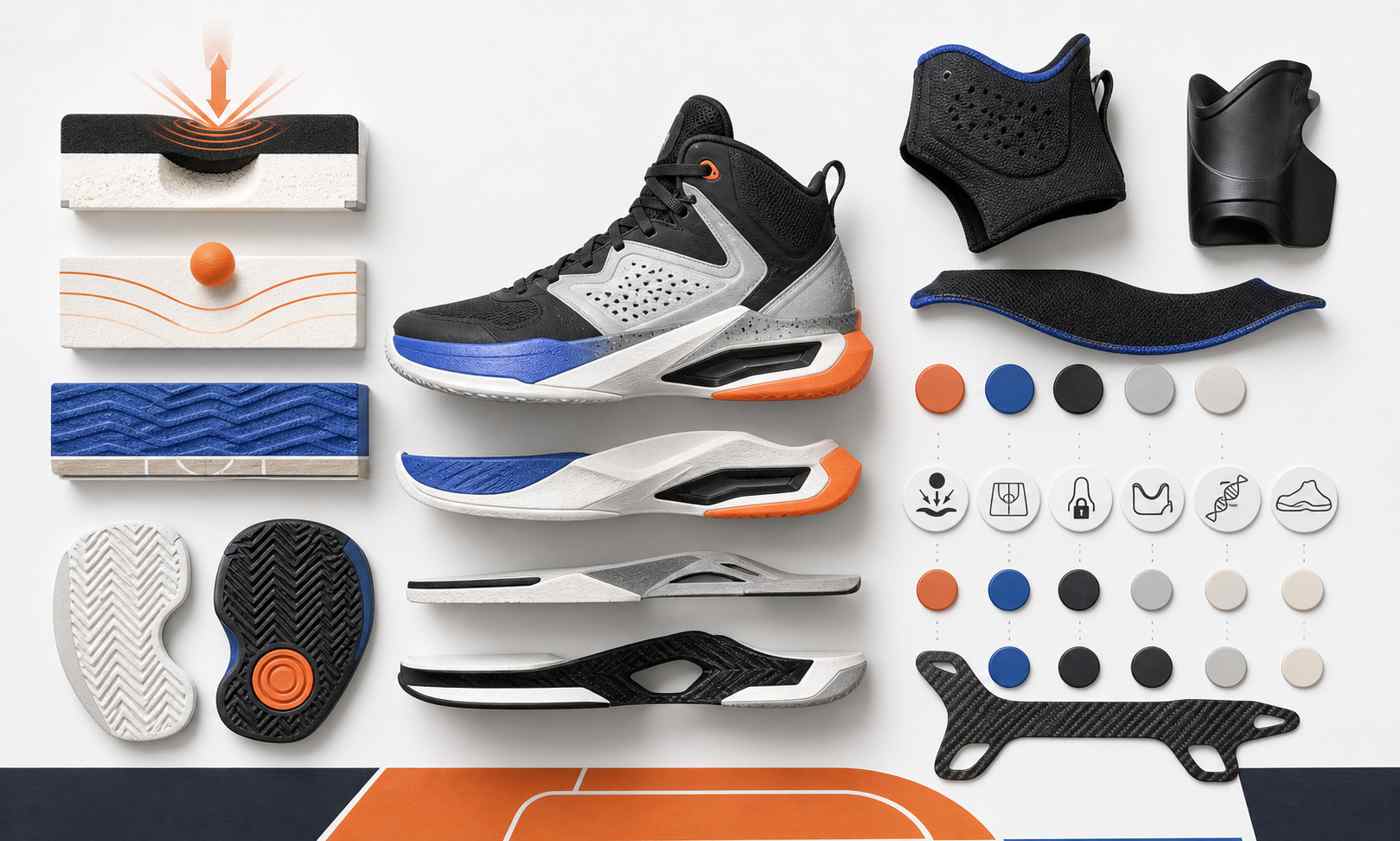
How to Read a Basketball Shoe Review
Start with your court and play style. If you mostly play indoors on clean hardwood, traction bite and court feel may matter most. If your court is dusty, pay attention to dust pickup and whether the outsole needs constant wiping. If you play outdoors, durability, rubber depth, and upper toughness move up the list. If you are a guard, you may care more about quickness and containment. If you are a wing or big, impact protection and stability may matter more.
Then read the fit notes before the verdict. Basketball shoes can vary a lot in width, toe shape, arch feel, heel padding, and break-in. Wide-foot players should not assume every model will stretch enough. Narrow-foot players should watch for extra forefoot room. Players with ankle braces or orthotics need to check internal volume, heel hold, and whether the shoe still laces securely with added gear. The ankle-support shoe fit checklist explains what to check around the heel, tongue, and brace.
Finally, compare alternatives in the same job category. Do not compare an outdoor budget shoe to a lightweight premium guard shoe as if they solve the same problem. A useful review tells you whether a shoe is better for indoor traction, outdoor durability, ankle-brace compatibility, guard movement, impact protection, or value under a certain budget.
Review Categories We Cover
This hub will organize basketball shoe reviews by real buying intent: best basketball shoes, best outdoor basketball shoes, shoes for ankle support, shoes under 100, guard shoes, wide-foot basketball shoes, lightweight shoes, high-impact cushioning shoes, and indoor traction specialists. Each category needs different criteria. A durable outdoor shoe can be a smart buy even if it is not the bounciest option. A guard shoe can be excellent even if it is not plush enough for everyone.
If you are still narrowing the category, start with our Basketball Shoes hub, best basketball shoes guide, ankle-support basketball shoe guide, outdoor basketball shoe guide, and basketball shoes under 100 guide. Those pages help you choose the right type before comparing individual reviews.
What We Avoid in Reviews
We avoid hype-only language. A shoe is not automatically better because it is worn by a famous player, launched recently, uses a dramatic-looking cushion window, or has an aggressive silhouette. We also avoid live price, discount, stock, and retailer claims unless they have been checked. Basketball shoe value changes quickly, so reviews should focus on the durable facts first: fit, traction, containment, cushion, support, surface use, and alternatives.
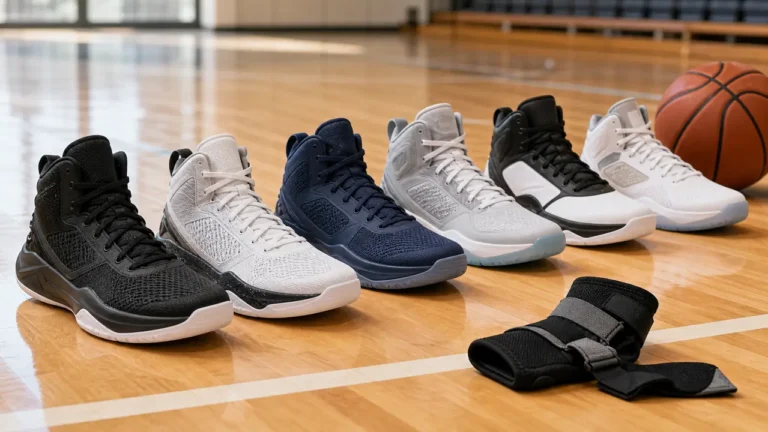
We also avoid treating shoe height as the whole support story. Low-top, mid-top, and high-top shoes can all work, depending on fit, base, lockdown, and player preference. The better question is whether the shoe keeps your foot centered and confident during basketball movements.
Sources and Methodology
This guide is based on editorial desk research, not an unreported hands-on test. The Shoe Like Editorial Team reviewed current manufacturer information and official foot-health or sports guidance, then compared intended use, fit, cushioning, stability, width options, and practical buying considerations. This page is an editorial research guide or review index and does not claim hands-on laboratory testing of every model. We do not publish unverified prices, ratings, stock, or performance claims.
Sources checked: APMA guidance for choosing shoes for sports; NIAMS sports-injury overview. Product lines and availability can change, so verify the current model and fit with the manufacturer or retailer before buying.
FAQ
What matters most in a basketball shoe review?
Traction, lockdown, fit, lateral stability, cushioning, and court surface are usually the most important parts. The best shoe depends on how and where you play.
Are high-top basketball shoes always more supportive?
No. Shoe height is only one detail. Base width, heel hold, sidewall containment, torsional stiffness, collar comfort, and fit all affect support.
Can indoor basketball shoes be used outdoors?
Sometimes, but outdoor concrete can chew through soft indoor rubber quickly. If you play outside often, prioritize durable outsole rubber and deeper traction patterns.
Should guards and bigs choose the same basketball shoes?
Not always. Guards often prioritize quickness, court feel, and containment, while bigger players may want more impact protection, stability, and support.

One Comment
Comments are closed.