Nike vs adidas Basketball Shoes: Performance and Fit (2026)
Disclosure: Shoe Like may earn a commission when you buy through links on this page. This does not affect our recommendations.
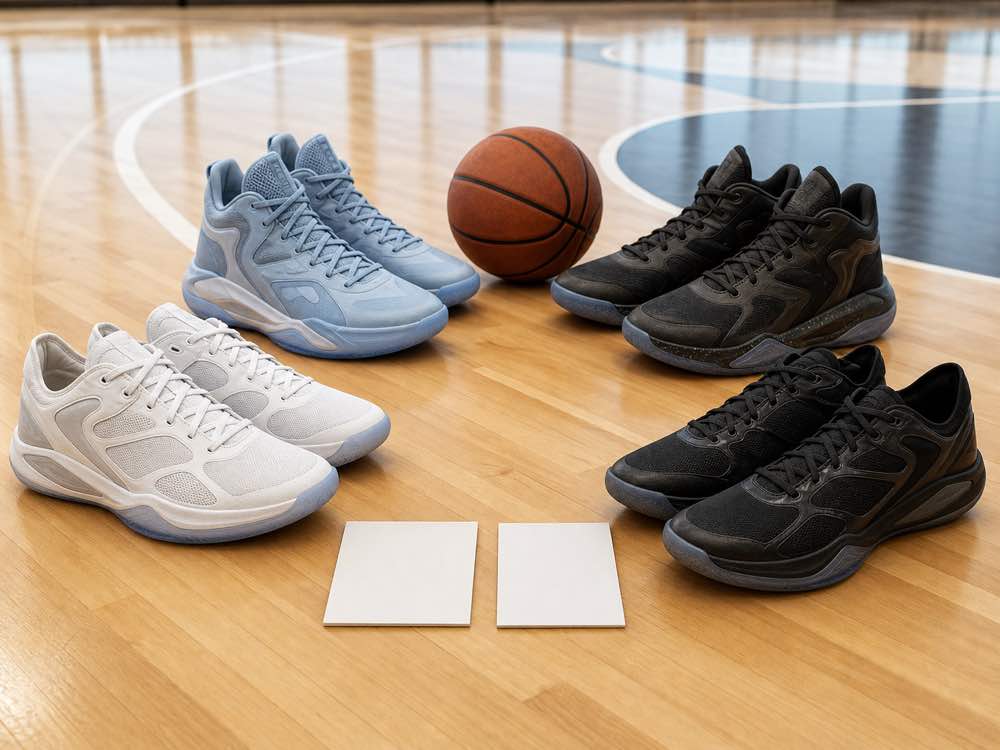
For Nike vs adidas basketball performance, start with the matchup: Sabrina 4 versus D.O.N. Issue 7 for guard-oriented options, and Giannis Freak 7 versus Anthony Edwards 2 for different approaches to cushioning and containment. The deciding checks are grip on your court, heel security, forefoot room, and comfort during the movements you actually use. A brand-wide winner would hide those differences.
This is a research-based comparison, updated September 7, 2026. We checked official product information; we have not performed a head-to-head court test of these shoes. Published construction details are identified below. Our shortlisting advice is editorial judgment, not measured proof that one shoe improves your speed, jumping, or injury risk. For options beyond these two brands, start with our basketball shoe guides.
Nike vs adidas basketball shoes: performance comparison
Use this table to choose two shoes to try, rather than ranking five very different designs against each other. These are researched examples, not a complete list of each brand’s newest releases.
On a phone, swipe the table sideways to see all four columns.
| Model | Published construction | Why shortlist it | What still needs checking |
|---|---|---|---|
| Nike Sabrina 4 | Cushlon 3.0, forefoot Air Zoom, TPU FlyPlate, internal midfoot band and cables | A guard-oriented comparison with a plate and adjustable midfoot hold | Whether the plate and upper suit your foot; grip on your actual floor |
| adidas D.O.N. Issue 7 | Lightstrike Pro cushioning and herringbone rubber outsole | An alternative cushioning setup to compare with Sabrina | Heel hold, toe room, and dusty-court performance |
| Nike Giannis Freak 7 | Cushlon 3.0 and an internal molded cage | A foam-and-cage option for players comparing containment during changes of direction | Fit around the cage and whether cushioning feels controlled |
| adidas Anthony Edwards 2 | Light BOOST plus Lightstrike, Propulsion Plate, Articulated Fangs | A plate-and-sidewall option to compare with Freak 7 | Pressure from structural parts, heel security, and flexibility |
| adidas Harden Volume 10 | Listed in adidas’ US Harden Vol. 10 / Boost collection | A further signature option if the first four do not suit your fit or cushioning preferences | Exact product specifications, fit, and comfort; do not borrow specs from Harden 9 |
The cushioning names describe construction, not a common performance scale. Air Zoom, Lightstrike Pro, and BOOST cannot be ranked for comfort by counting technologies. Nor does a support plate tell us which shoe will feel stable on your foot. Keep the model generation and adult or children’s version consistent when comparing listings.
Guards: Sabrina 4 vs D.O.N. Issue 7
Sabrina 4 adds a TPU FlyPlate, a change from Sabrina 3. Nike places the plate under the forefoot Air Zoom unit and extends it through the arch and sidewall. The shoe also uses Cushlon 3.0 and an internal band-and-cable system. If Sabrina 3 already fits you well, compare the new construction in person before paying for a replacement.
adidas identifies Lightstrike Pro cushioning and a herringbone rubber outsole for D.O.N. Issue 7. It offers a useful alternative to try alongside Sabrina 4 if you want to compare the underfoot setup rather than choose by athlete endorsement. We do not have comparable measured weights, traction tests, or fit measurements for these two shoes, so this guide does not award a lightness or grip winner.
Start your try-on with Sabrina 4 if its plate-based construction interests you. Include D.O.N. Issue 7 if you want to compare how a different cushioning design feels. Reject either shoe if your heel lifts, the forefoot is pinched, or you need painful lace tension to hold your foot. Our guard shoe guide helps connect those checks to your playing style.
Containment: Giannis Freak 7 vs Anthony Edwards 2
Nike’s Freak 7 product information specifies Cushlon 3.0 and an internal molded cage. adidas describes Anthony Edwards 2 with a Propulsion Plate, Articulated Fangs, and Light BOOST plus Lightstrike cushioning. The useful comparison is how those different structures sit around your foot, not which page lists more technology.
Shortlist Freak 7 if you want to assess its foam-and-cage construction against Edwards 2’s plate and side structures. During a permitted indoor try-on, pay attention to where the shoe presses when you shift your weight gently sideways. A secure heel with an uncomfortable arch or forefoot is still a poor fit. Edwards 2 is worth considering if its structured upper matches your foot, but the presence of a plate does not establish that it is more supportive for every player.
A tall player does not automatically need the same shoe as Giannis, and a downhill guard does not need Edwards’ signature model to play that role. Use your current pair as a reference: name the problem you want to solve, such as heel lift or an uncomfortable forefoot, before adding another model to the shortlist.
Which brand has better traction?
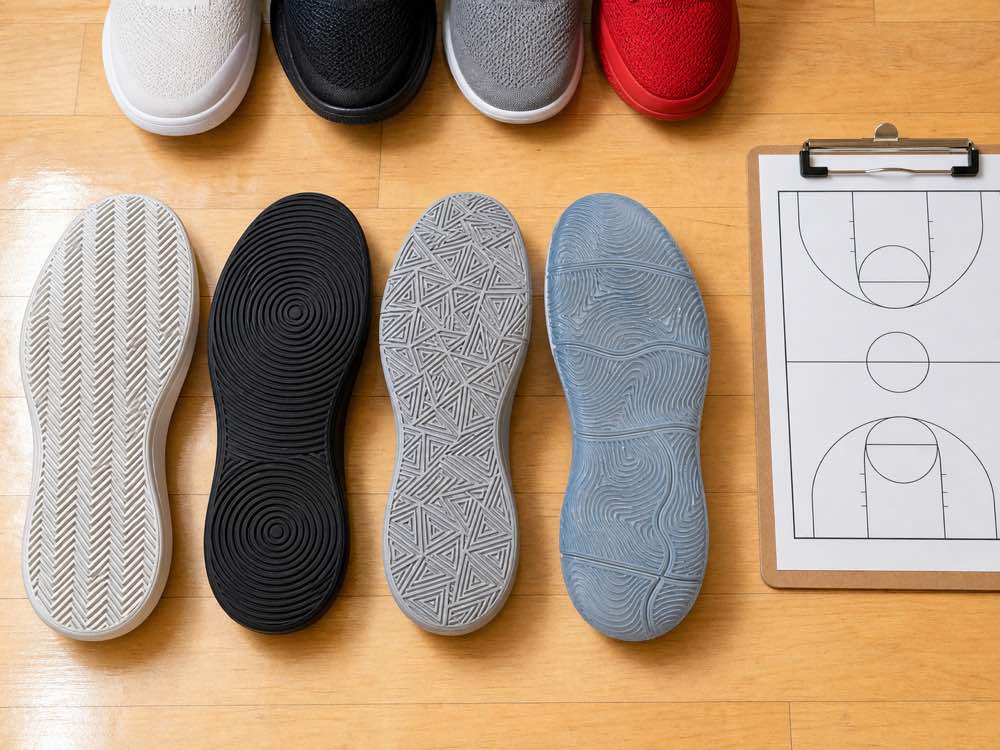
The available specifications do not establish a brand-wide traction winner. Even a comparison between two exact models needs a consistent surface and test method. A clean hardwood result cannot answer how either shoe behaves in your dusty school gym.
Look for an independent review of the exact model and outsole version, and distinguish the reviewer’s court experience from the manufacturer’s description. Ask whether the reviewer discusses wiping, dust buildup, and wear. Those details are more useful than an isolated claim of exceptional grip. Our basketball review checklist explains what a useful performance review should cover.
You can inspect tread and construction before purchase, but a shop-floor fitting cannot prove game-speed traction. Keep the seller’s return conditions in view before wearing a new pair on court. If a pair slides unexpectedly during ordinary use, stop and check the outsole and surface rather than attempting harder cuts to see whether it improves.
Cushioning, court feel, and stop-start play
Choose cushioning around the part of your current shoe that bothers you. If you dislike pressure beneath the forefoot, check that area in both candidates. If the heel feels uncomfortable, do not judge the replacement solely by its springy forefoot. Comfort while standing is only the first check; walking and gentle changes of direction can reveal a different fit.
Harden Volume 10 is another adidas option to investigate if the Sabrina, D.O.N., Freak, or Edwards matchups do not feel right. The official US Boost collection confirms that line, but we have not established a matched Nike-versus-Harden performance result. Verify the exact model’s specifications instead of transferring a Harden 9 review or collection description to Volume 10.
For a player who repeatedly stops for pull-up shots, useful questions include whether the heel stays seated and whether the foot slides forward. For a player who spends more time running in transition, overall comfort may be a different priority. These are selection questions, not promises that a particular foam will make either movement faster.
Fit, width, sizing, and brace room
Do not use “Nike is narrow” or “adidas is wide” as a sizing rule. A wide-looking outsole does not tell you how much room the upper has, and a roomy toe box does not guarantee a secure heel. Check the exact model’s width options and size chart; a category filter is not proof that your chosen shoe comes in a separate wide width.
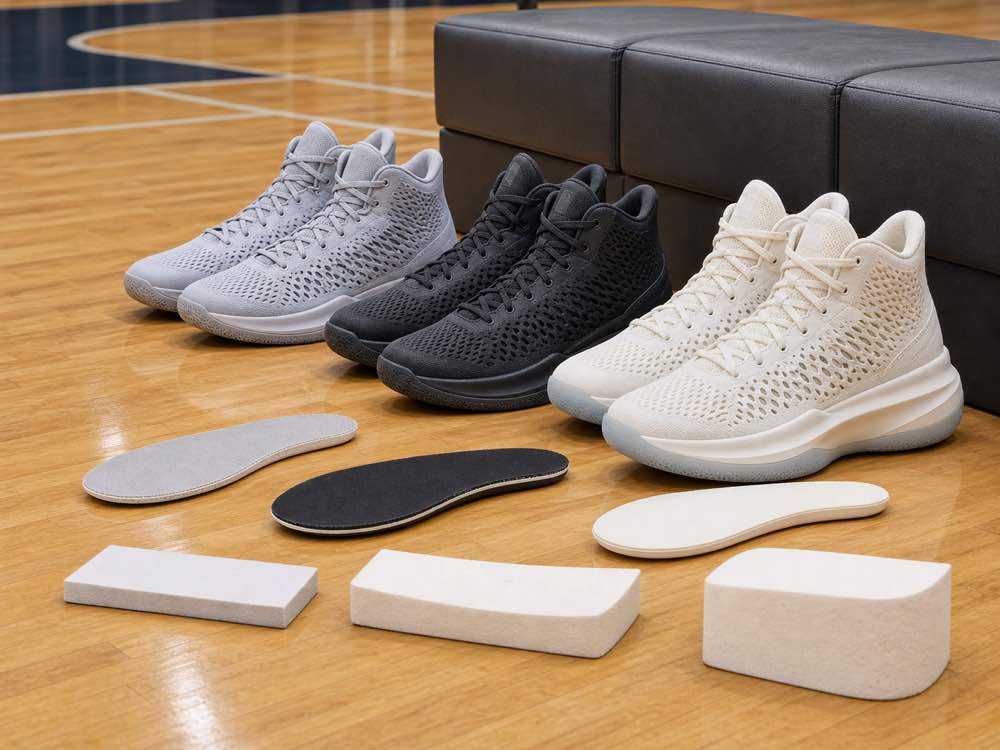
Try both shoes with the socks you play in. Check your larger foot, toe pressure, heel movement, and pressure over the instep. If you already use an ankle brace, bring that same brace. Added length may ease toe pressure but also create heel movement, so compare another shape before assuming a larger size solves the problem. Our wide-foot fit guide explains the distinction between width, toe-box shape, and volume.
For support-focused shopping, use the basketball shoe heel-hold and brace-fit checklist. Shoe fit is not a treatment for recurrent ankle symptoms. Consult a qualified clinician about an injury or a prescribed brace; do not infer injury protection from collar height or a manufacturer’s support terminology.
Check the sizing system as well as the number. Women’s, men’s, unisex, and children’s listings may use different labels or construction. Use the official chart for that listing and assess the actual fit rather than applying one automatic size conversion to both brands.
Outdoor courts and value: compare the exact purchase
Neither a signature name nor an indoor traction claim establishes outdoor durability. Ask whether the outsole is suitable for your main surface and whether there is model-specific wear evidence. If you mainly play on rough outdoor courts, use our outdoor basketball guide before paying more for an indoor-focused model.
Compare the final price of the exact color and size, the seller, and the return terms. A discount on a shoe that fits poorly does not improve its usefulness. Previous versions can be worth considering when you already know the fit, but a familiar family name is not enough: upper, cushioning, and outsole details can change between generations.
If your ceiling is $100, consult our budget basketball shortlist and verify today’s checkout price. A shoe counts as a budget option only when your size and color fall within that ceiling. Include shipping and any return costs when comparing the two purchases.
Which should you choose?
For a guard-focused try-on, start with Sabrina 4 and D.O.N. Issue 7. For a comparison of different containment structures, try Freak 7 and Anthony Edwards 2. Include Harden Volume 10 if you want another cushioning and fit option, while checking its own product details. Skip any candidate that needs an uncomfortable sizing or lacing workaround.
If two pairs both fit, use the better evidence for your court and the clearer return terms to make the final choice. If neither fits, widen the shortlist through our best basketball shoes guide. You do not need to settle for a poor match to stay with Nike or adidas.
Frequently asked questions
Are Nike or adidas basketball shoes better for performance?
There is no supported winner across both brands’ entire ranges. Compare exact models for court traction, fit, heel hold, cushioning comfort, and your use case. This article uses official construction details and editorial guidance, not head-to-head test scores.
Should I buy Sabrina 3 or Sabrina 4?
Sabrina 4 adds a TPU FlyPlate to the design discussed here. Sabrina 3 remains a model to consider if you know its fit and find suitable purchase terms. The generation change alone does not establish which feels better for you.
Is adidas better for wide feet?
Do not assume so across the whole brand. Confirm the exact model’s width options and try the heel, forefoot, and instep fit. A broad outsole or a category labeled wide does not guarantee that a specific size has a wide last.
Which brand is better for dusty or outdoor courts?
Look for evidence for the exact model, outsole, and surface. Indoor grip does not establish outdoor wear resistance, and published tread descriptions alone do not identify a dusty-court winner.
Sources and research limits
Official sources checked September 7, 2026: Nike Sabrina 4 product details; adidas D.O.N. Issue 7 collection details; Nike Giannis Freak 7 product details; adidas Anthony Edwards 2 product details; and adidas Harden Volume 10 / Boost collection. For general injury information, see NIAMS sports-injury guidance.
These sources verify published features, not comparative court performance. We have not established matched traction scores, durability mileage, an injury-prevention benefit, or a guaranteed fit for any model. Product pages and purchase terms can change. The images are original illustrations of buying considerations and do not show the named products or Shoe Like testing.