HOKA vs Brooks Running Shoes: Which Is Better in 2026?
Disclosure: Shoe Like may earn a commission when you buy through links on this page. This does not affect our recommendations. Prices, sizes, colors, and stock can change after publication.
Choose HOKA if you want to start with pronounced rocker geometry, broad high-cushion platforms, and a distinctly rolling transition. Choose Brooks if you prefer a more conventional heel-to-toe feel, clearly separated support levels, and extensive width choices across major models. That is a starting point, not a verdict: Clifton 10 and Ghost 18 feel different from Bondi 9 and Glycerin 23, while Arahi 8 and Adrenaline GTS 25 use different stability systems.
We did not personally wear-test these shoes. This comparison uses official US product information checked on July 11, 2026, including intended use, cushioning category, support system, width availability, heel-to-toe drop, and current model position. Try the exact shoe whenever possible and verify current specifications before buying.
HOKA vs Brooks: Quick Verdict
| Priority | Start with HOKA | Start with Brooks | Why |
|---|---|---|---|
| Daily cushioned running | Clifton 10 | Ghost 18 | Clifton emphasizes rocker geometry; Ghost offers a more conventional 10 mm transition and balanced support. |
| Plush long-run comfort | Bondi 9 | Glycerin 23 | Bondi is the broad, rockered max-cushion option; Glycerin pairs plush cushioning with an 8 mm drop and tuned toe-off. |
| Structured support | Arahi 8 | Adrenaline GTS 25 | H-Frame and GuideRails approach guidance differently. |
| Walking and assisted transition | Bondi 9 | Ghost Max 3 | Both use broad high-cushion platforms; rocker preference and fit decide the winner. |
| Widths | Selected lines in wide and extra wide | Many core lines in narrow through extra wide | Brooks currently shows the broader width menu across major road models. |
| Fast training | Mach family | Hyperion family | Both brands separate workout shoes from their everyday trainers. |
| Rugged trails | Speedgoat 6 | Cascadia 19 | Speedgoat emphasizes cushioned trail grip; Cascadia emphasizes adaptable stability and protection. |
Bottom line: HOKA wins when its rocker and broad platform match your stride. Brooks wins when its fit, width range, and more familiar transition feel natural. The better model is the one that disappears on your foot during the activity you actually do.
The Biggest Difference: Ride Geometry
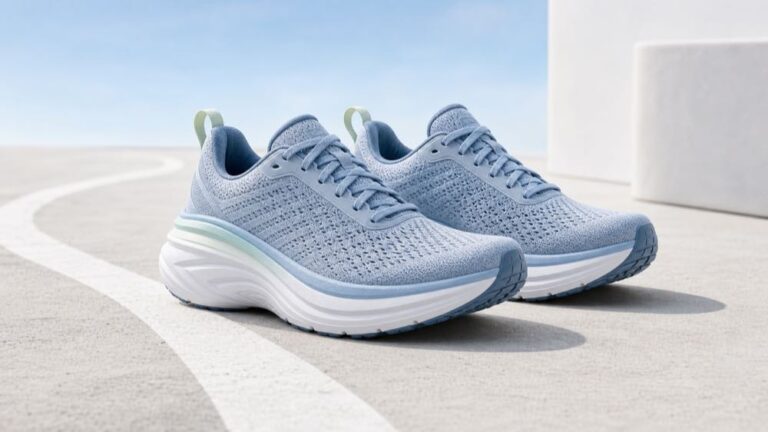
HOKA built its identity around visible cushioning, broad midsoles, and MetaRocker geometry. In current models, the degree varies: Bondi 9 is the plush lane, Clifton 10 is the lighter everyday lane, and Arahi 8 adds a stability system. A rocker can reduce how much the forefoot must bend during transition, but some runners dislike feeling guided forward.
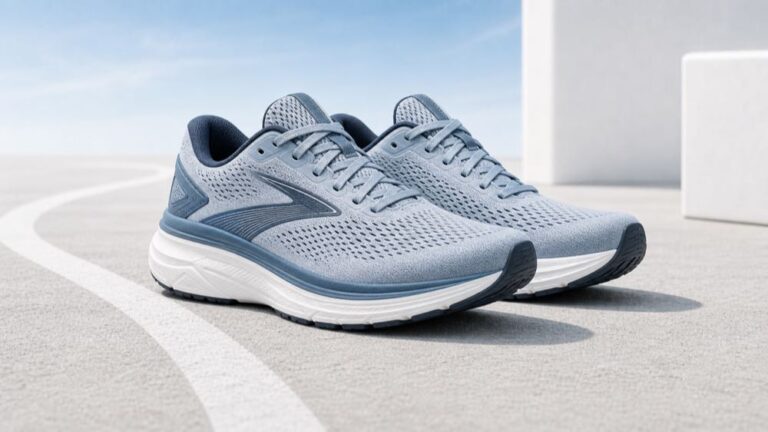
Brooks organizes current shoes around cushioning and support categories such as balanced, plush, responsive, structured support, and max support. Ghost 18 uses a 10 mm drop and balanced support, Glycerin 23 uses an 8 mm drop with plush cushioning, and Ghost Max 3 combines a 6 mm drop with a rocker and broad base. Brooks is not universally traditional, but its core catalog gives shoppers more conventional alternatives.
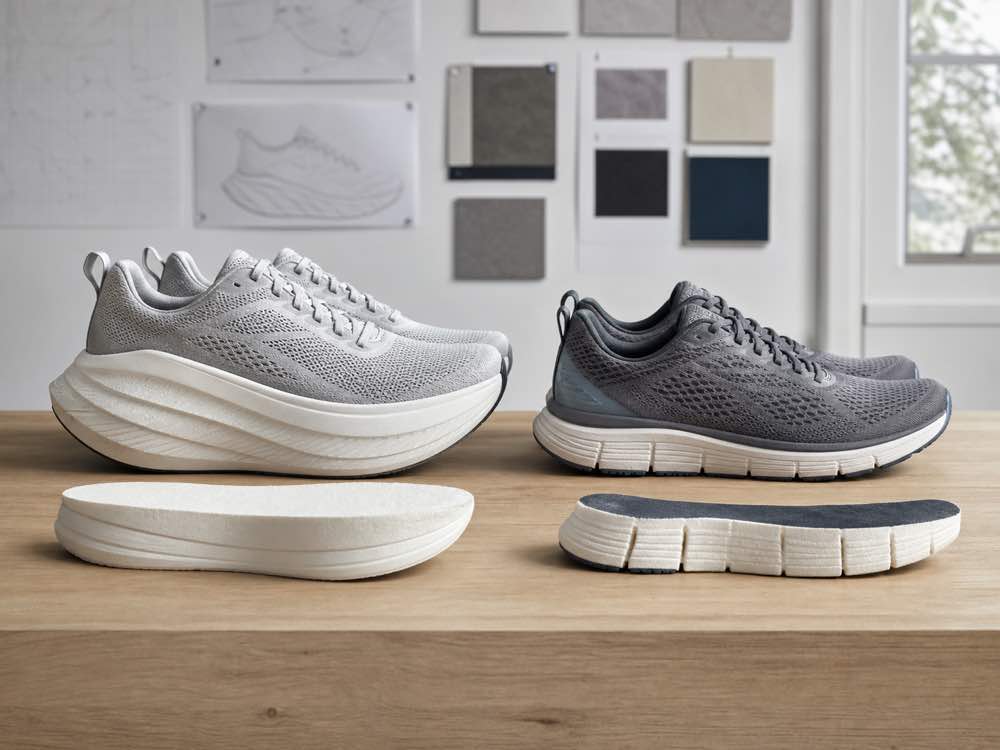
Do not infer softness from stack height alone. Foam formulation, platform width, sidewalls, outsole, insole, and rocker shape all affect the ride. A tall shoe can feel controlled; a lower shoe can feel soft.
Model Matchup 1: Clifton 10 vs Ghost 18
Choose Clifton 10 for a lighter-feeling, rockered daily trainer. Choose Ghost 18 for a familiar daily ride, a 10 mm drop, and broader width availability.
HOKA lists Clifton 10 for everyday running and walking, with an 8 mm drop, CMEVA midsole, Smooth MetaRocker, rearfoot-focused Active Foot Frame, and abrasion rubber. Brooks lists Ghost 18 for road running, daily runs, and walking, with DNA LOFT v3 cushioning, balanced support, RoadTack rubber, a 10 mm drop, and narrow through extra-wide options on the current men’s page.
Clifton is the better trial if you like a rolling transition and broad visual platform. Ghost is the better trial if you prefer a more conventional heel-to-toe relationship or need to shop multiple widths. Neither fit should be assumed from brand reputation; compare heel hold, midfoot pressure, and toe space in the exact width.
Check HOKA Clifton 10 and Brooks Ghost 18 on the official US pages.
Model Matchup 2: Bondi 9 vs Glycerin 23
Choose Bondi 9 for the more pronounced broad, rockered max-cushion experience. Choose Glycerin 23 for plush cushioning with an energetic toe-off and a less extreme visual profile.
Bondi 9 uses super critically foamed EVA, Smooth MetaRocker, a rearfoot-focused Active Foot Frame, and a 5 mm drop. HOKA lists it for everyday running and walking and offers regular, wide, and extra-wide variants in the current US catalog. Glycerin 23 uses Brooks DNA TUNED cushioning, an 8 mm drop, a wide platform, and an accommodating engineered-knit fit; current pages list medium, wide, and extra-wide options.
These are not identical despite both being plush. Bondi asks you to accept more rocker influence and a lower drop. Glycerin keeps a more conventional 8 mm setup while still targeting long runs and soft landings. Shoppers sensitive to calf or Achilles loading should transition gradually when changing heel-to-toe geometry; this is general adaptation advice, not a medical prescription.
Check HOKA Bondi 9 and Brooks Glycerin 23.
Model Matchup 3: Arahi 8 vs Adrenaline GTS 25
Choose Arahi 8 if HOKA’s H-Frame feels smooth and unobtrusive. Choose Adrenaline GTS 25 if you prefer Brooks GuideRails and want a large range of width choices.
Arahi 8 combines an enhanced H-Frame, dual-density compression-molded EVA, a podular outsole, and an 8 mm drop. Adrenaline GTS 25 uses GuideRails with DNA LOFT v3 cushioning, a 10 mm drop, and structured support; Brooks currently lists narrow, medium, wide, and extra-wide choices. Both brands describe these systems as ways to manage motion, but the underfoot and sidewall sensations are different.
Do not choose stability from an arch label or a wet-foot test alone. A supportive shoe should feel secure without creating pressure, numbness, or a sensation that the platform is fighting your stride. If pain or a diagnosed condition is driving the purchase, consult a qualified clinician.
Check HOKA Arahi 8 and Brooks Adrenaline GTS 25.
Model Matchup 4: Bondi 9 vs Ghost Max 3
For walking and protective daily use, this is the closest geometry comparison. Bondi 9 uses HOKA’s familiar rocker and 5 mm drop. Ghost Max 3 uses a rocker, broad base, high-stack cushioning, and a 6 mm drop, so Brooks shoppers do not have to stay with a conventional Ghost profile.
Choose Bondi if its collar, rocker timing, and platform shape feel natural. Choose Ghost Max 3 if you want assisted transitions with Brooks fit options or orthotic-friendly positioning. Official pages list both for running and walking. Neither is automatically ideal for balance concerns, lifting, or technical agility simply because the base looks wide.
Check Brooks Ghost Max 3 and compare it with the official Bondi 9 page above.
Fast Training and Racing
Do not compare every fast shoe as if it were a daily trainer. HOKA’s Mach family and plated road models target faster running through lower weight, responsive foams, and in some cases plates. Brooks separates the Hyperion family into lightweight workout, high-cushion workout, and competition options. The current Hyperion 3 page lists an 8 mm drop and DNA FLASH v2; Hyperion Max models use higher-stack cushioning and plate-assisted transitions.
Pick the shoe for the session: light workout shoes for intervals and tempo runs, protected fast trainers for longer workouts, and race shoes for competition. Keep a durable daily trainer if you run most days. Official catalogs change faster in this category, so use the HOKA running shoes guide and Brooks running shoes guide to narrow the current family before checking the exact product page.
Trail Running: Speedgoat 6 vs Cascadia 19
Speedgoat 6 is HOKA’s cushioned, traction-focused trail line, while Cascadia 19 is Brooks’ adaptable trail option for varied and technical terrain. HOKA lists a Vibram Megagrip outsole with Traction Lug and a protective toe bumper on Speedgoat 6. Brooks lists a Trail Adapt System with a flexible rock plate, DNA LOFT v3 cushioning, and all-terrain traction on Cascadia 19.
Choose by trail surface, outsole compound, lug pattern, underfoot protection, fit when descending, and room for foot swelling. A road-shoe brand preference should not decide a technical trail purchase. Waterproof versions can help in wet conditions but may run warmer and drain more slowly.
Check HOKA Speedgoat 6 and Brooks Cascadia 19.
Which Brand Is Better for Wide Feet?
Brooks has the clearer overall advantage in width depth. Its current width catalog spans women’s narrow through extra wide and men’s narrow through extra wide, and core models such as Ghost 18 and Adrenaline GTS 25 show multiple options. HOKA offers wide and extra-wide variants in selected high-volume lines, including Bondi and Clifton, but the menu is not identical across every model, gender, or color.
Width labels are only the beginning. A shoe can be wide at the forefoot but low over the instep, or roomy through the upper but narrow under the foot. Do not solve a width problem by adding unnecessary length. Compare our best running shoes for wide feet and best shoes for wide feet guides.
Which Brand Is Better for Walking or Standing?
Both brands have current running shoes officially listed for walking. HOKA Bondi 9 and Clifton 10 provide rocker-based options; Brooks Ghost 18, Glycerin 23, Adrenaline GTS 25, and Ghost Max 3 cover balanced, plush, supported, and rockered paths. For slow walking or standing, test stability at the pace you actually use. A shoe that feels smooth while running can feel awkward while standing still.
For standing-heavy work, outsole traction, upper durability, floor surface, and workplace rules matter in addition to cushioning. See best walking shoes and best shoes for standing all day.
Fit Checklist Before You Buy
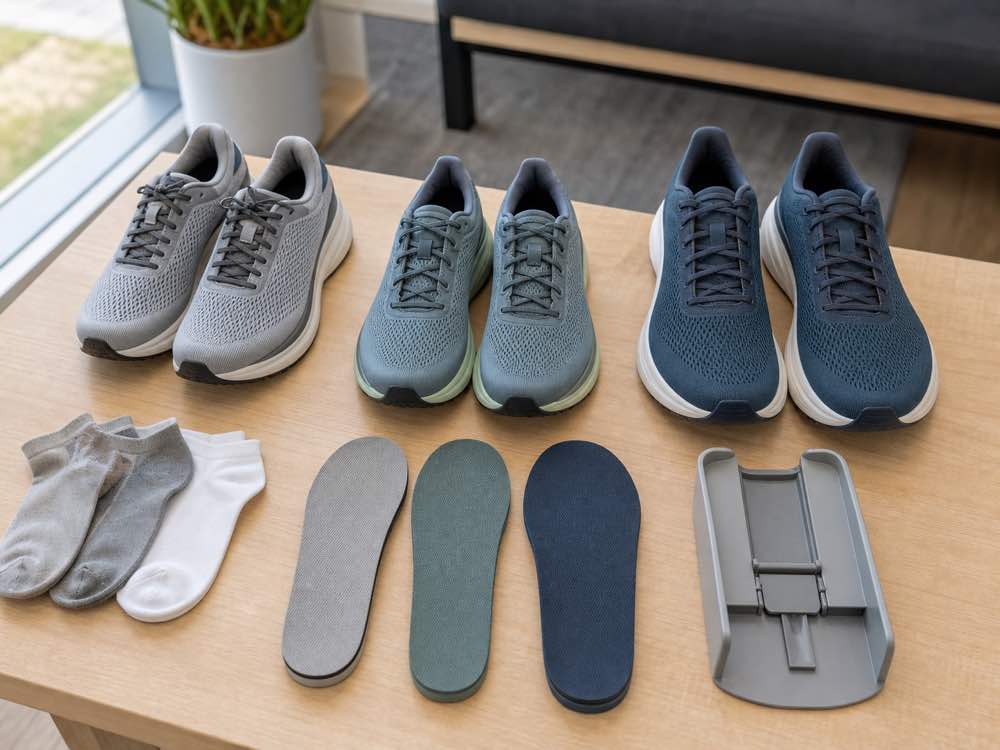
- Try the exact model and width with your normal running socks and orthotics.
- Check heel security without overtightening the laces.
- Leave comfortable toe room and confirm the widest part of the foot sits over the widest part of the platform.
- Walk and jog long enough to notice rocker timing, arch pressure, and collar rubbing.
- Compare both feet and fit the larger one.
- Read the current return policy before taking the shoes outdoors.
- Transition gradually when changing drop, rocker, stack height, or support geometry.
Common Comparison Mistakes
- Assuming every HOKA is softer or every Brooks is firmer.
- Comparing a max-cushion shoe with a lightweight daily trainer and calling the result a brand verdict.
- Choosing stability from a diagnosis-free online rule instead of how the exact shoe fits and moves.
- Buying a longer shoe to solve width pressure.
- Using road-shoe comfort to predict trail traction and protection.
- Treating a current sale price, color, rating, or stock count as permanent.
Sources Checked
Research accessed July 11, 2026. Current-model facts were checked against the official HOKA pages for Clifton 10, Bondi 9, Arahi 8, and Speedgoat 6; the HOKA US catalog and width listings; the official Brooks pages for Ghost 18, Glycerin 23, Adrenaline GTS 25, Ghost Max 3, Hyperion, and Cascadia 19; and the Brooks running-shoe and width catalogs. Model versions, specifications, prices, colors, widths, and availability can change.
FAQ
Are HOKA or Brooks running shoes better?
Neither is universally better. Start with HOKA for pronounced rocker geometry and broad high-cushion platforms. Start with Brooks for conventional transitions, clearly tiered support systems, and extensive width choices. Then choose the exact model that fits.
Do HOKA shoes have more cushioning than Brooks?
Some HOKA models make cushioning and rocker geometry especially visible, but Brooks also offers plush and high-stack shoes such as Glycerin and Ghost Max. Compare exact models rather than stack appearance or logo.
Which brand is better for wide feet?
Brooks often provides narrow, wide, and extra-wide choices across core models. HOKA also offers wide and extra-wide versions in selected lines. Toe-box shape, midfoot volume, platform width, and heel hold decide the better fit.
Which is better for stability, HOKA or Brooks?
HOKA Arahi uses H-Frame geometry, while Brooks Adrenaline GTS uses GuideRails. Neither system is automatically better. Choose the one that feels secure without unwanted pressure or correction.
Can you walk in HOKA and Brooks running shoes?
Yes. Many current road models are officially listed for both running and walking. Prioritize a stable platform, suitable rocker, secure heel, toe room, and comfort at a slower pace.
Final Recommendation
For a first daily trainer, compare Clifton 10 with Ghost 18. For plush long runs, compare Bondi 9 with Glycerin 23. For support, compare Arahi 8 with Adrenaline GTS 25. For walking with a rocker, compare Bondi 9 with Ghost Max 3. Brooks has the edge in overall width depth; HOKA has the clearer brand-wide rocker identity. The logo is only a shortcut to the right test, not the answer.
Retailer note: Shoe Like is not showing live affiliate checkout links on this page yet. When commercial links are added, every retailer URL should be verified and affiliate links should use sponsored/nofollow handling.