
Best Shoes for Wide Feet in 2026
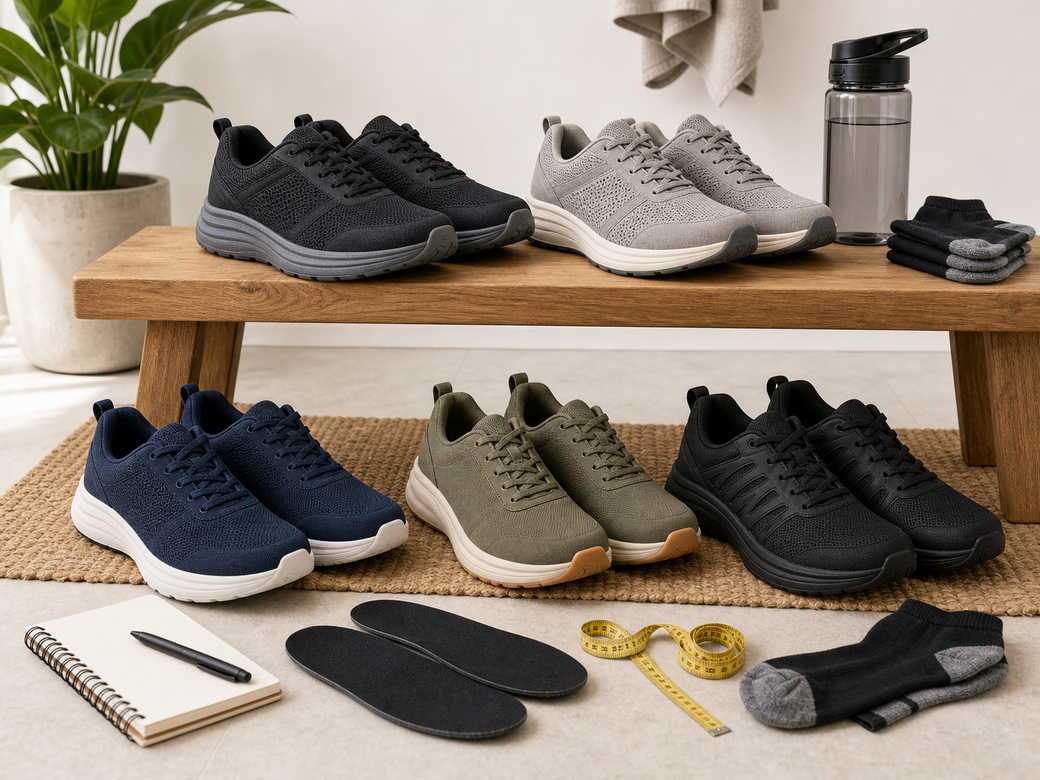
Disclosure: Shoe Like may earn a commission when you buy through links on this page. This does not affect our recommendations. We do not show live prices, discounts, stock status, ratings, or retailer availability unless we have verified them.
How to use this page: This is the cross-use-case starting point for wide feet, not another walking or running shortlist. Choose the activity first, identify where you need space, then continue to the linked category guide. It is research-based and does not claim hands-on wear testing. Manufacturer width and fit pages were rechecked on August 23, 2026.
The best shoes for wide feet depend on what you do in them. A wide running shoe, a wide walking shoe, a wide work-shift shoe, a roomy daily sneaker, and a wide gym shoe solve different problems. The one rule that carries across all of them: more length is not the same as a better width fit.
Short answer: use a true wide or extra-wide model when pressure runs through the forefoot or midfoot; use a roomy toe-box shape when toes need space but the heel and midfoot are already secure. For running, walking, long standing shifts, and gym work, start with the matching route below—the best solution is different for each activity.
Quick Picks
| Route | Best starting guide | Wide-foot priority | Reject the shoe if |
|---|---|---|---|
| Running | Wide running shoes | Impact fit, secure heel, platform width and the right stability category. | Your foot spills over the midsole or slides during faster steps. |
| Walking | Wide walking shoes | Toe room, slow-pace stability, pavement traction and late-walk swelling. | Sizing up fixes pressure but creates heel slip. |
| Standing all day | Standing-all-day shoes | Stable cushioning, upper volume and workplace outsole requirements. | Soft foam feels wobbly while standing or turning. |
| Gym and training | Training shoes | Lateral containment, heel hold and a broad, controlled base. | The forefoot slides during side steps or lifting. |
| Casual or toe splay | This guide’s fit map | Separate a roomy toe box from true full-foot width. | Toe room comes with loose midfoot or heel fit. |
Map the Fit Problem Before Choosing a Brand
| Pressure pattern | Likely need | First comparison | Common mistake |
|---|---|---|---|
| Toes squeezed; heel secure | Roomier toe-box shape | Altra FootShape explanation or a shaped wide model | Buying extra-wide everywhere and losing heel hold. |
| Forefoot and midfoot both tight | True wide or extra wide | New Balance or Brooks models with multiple labeled widths | Adding length instead of width. |
| Top of foot feels compressed | More instep volume or removable insole | Extra-depth comfort shoe such as Orthofeet Edgewater | Over-loosening laces until the foot slides. |
| Feet swell later in the day | Late-day fitting plus secure adjustable hold | Walking or standing route | Judging fit only first thing in the morning. |
| One foot is wider | Fit the larger foot; fine-tune the other | Lacing, socks or insole adjustment | Choosing a length that leaves both heels loose. |
1. New Balance Width Map
Best current example of multiple labeled widths.
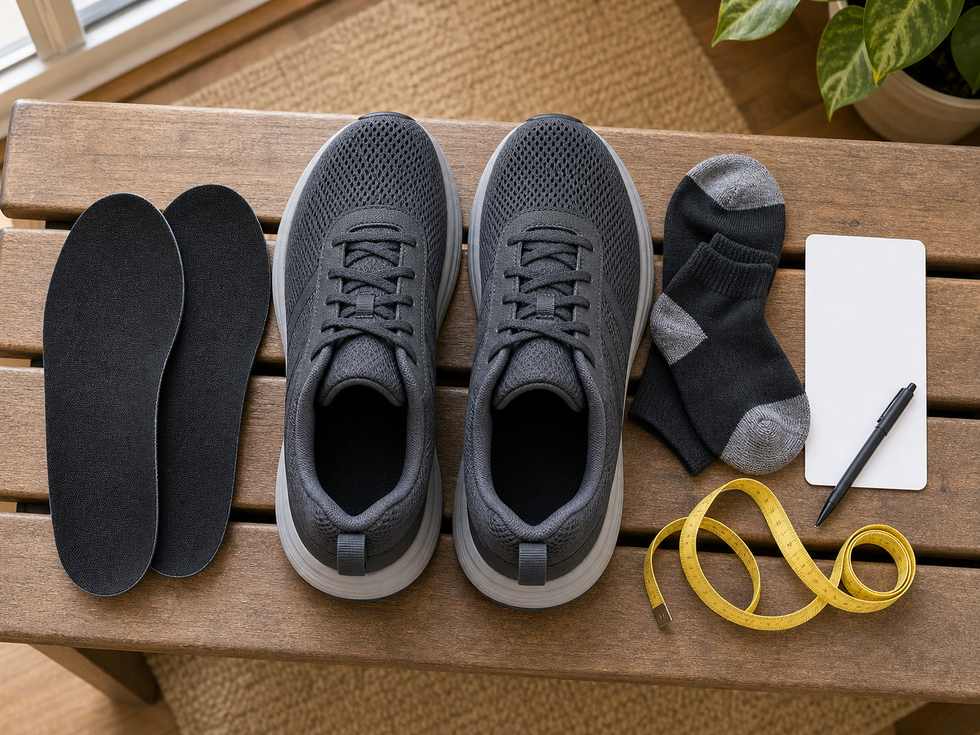
New Balance is a useful first brand map because current 1080v15 variants publish four width steps: men’s B, D, 2E and 4E, and women’s 2A, B, D and 2E. That does not make the 1080v15 the right shoe for every activity; it shows why width should be changed before length when the heel already fits.
Who should buy it: Compare it when you need true wide or extra-wide sizing. Use the running or walking route above before deciding whether its extra-soft neutral platform matches the job.
2. Brooks Width Map
Best structured running-walking example.
Brooks currently lists the Ghost Max 4 for walking and orthotics as well as running, with medium, wide and extra-wide options. Its broad-base and rocker design illustrate the extra checks a wide-foot buyer needs: enough room, a secure heel and a transition shape that still feels natural at the intended pace.
Who should buy it: Compare it for pavement running or walking. Choose a walking-specific or workplace route if slow standing, dress rules or certified grip matter more than running crossover use.
3. Skechers Width Map
Best example of a casual wide without extra-wide.
The current women’s GO WALK Arch Fit 2.0 Cassy page lists medium and wide, not extra wide. That makes it a useful reminder to read the exact model page: a brand may use Wide Fit language while a particular shoe stops at one wide option.
Who should buy it: Compare it for casual women’s walking when wide is enough. Use the walking guide for higher-mileage needs, and do not assume the whole GO WALK family has identical widths or lacing.
4. HOKA Width Map
Best plush-platform comparison.
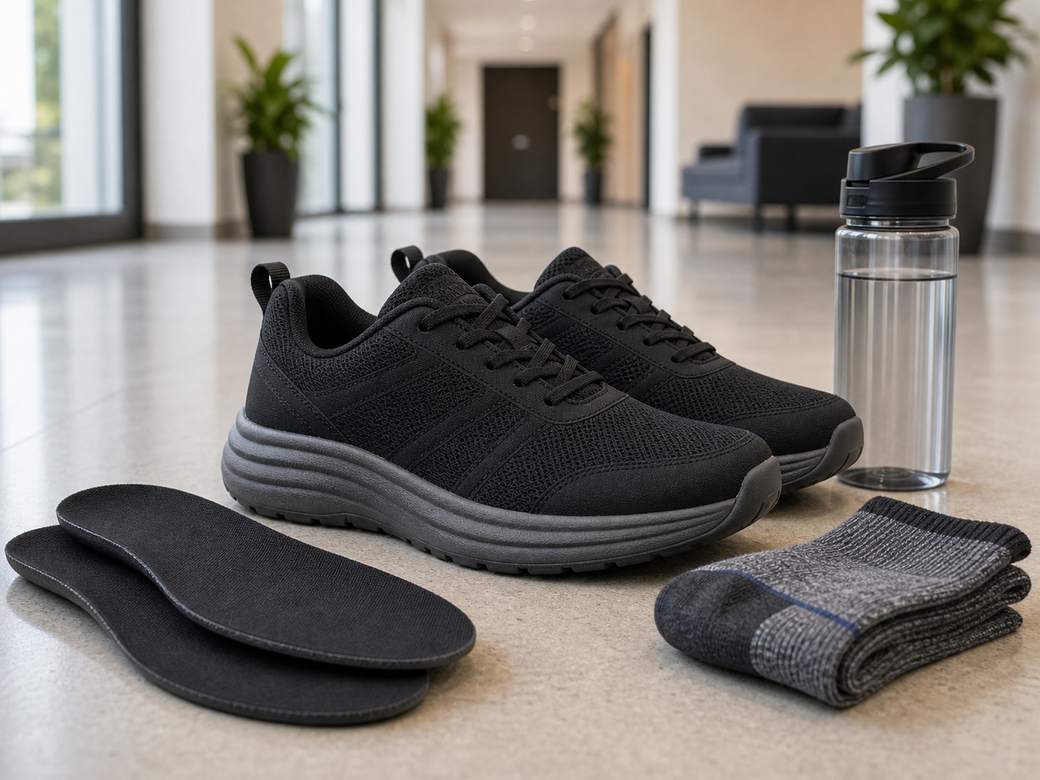
The Bondi 9 family is a current ultra-cushioned HOKA example with walking use and wide configurations. It shows why width is only one filter: the tall platform, rocker and heel hold must also work for your pavement, standing or recovery use.
Who should buy it: Compare Bondi 9 Wide when plush cushioning is the priority. Reject it if the foot sits on the sidewall or the platform feels wobbly during slow turns and curbs.
5. ASICS Width Map
Best current wide max-cushion example.
The GEL-NIMBUS 28 WIDE is a current neutral max-cushion example with an 8 mm drop, FF BLAST PLUS and PureGEL. ASICS also lists separate wide and extra-wide configurations in the Nimbus family, so the exact gender and color page matters.
Who should buy it: Compare it for neutral pavement running or walking. Use a support-specific guide if your need is guidance rather than simply more width and cushion.
6. Orthofeet Width Map
Best men’s extra-depth example through 6e.
The current men’s Edgewater page lists D, 2E, 4E and 6E plus extra depth, a stretch upper and fit spacers. Those are concrete volume-adjustment features, not evidence that the shoe treats pain or a medical condition.
Who should buy it: Compare it when full-foot width or instep volume goes beyond typical 4E options. Ask a qualified clinician about persistent pain, numbness, wounds, diabetes-related concerns or injury.
7. Altra FootShape Map
Best distinction between toe-box shape and width.
Altra explicitly says FootShape is not automatically a wide shoe: it is a roomy toe-box design that keeps the midfoot secure. The brand separates Original, Standard and Racing FootShape fits and also offers selected true-wide styles.
Who should buy it: Compare this route when toe splay is the main issue but the heel is secure. Treat zero-to-low drop as a separate geometry choice and transition cautiously if it feels unfamiliar.
Choose by Use Case
For running, start with best running shoes for wide feet. Running shoes need width plus impact protection, heel hold, and platform stability at your running pace.
For walking, start with best walking shoes for wide feet. Walking shoes need toe room, stable cushioning, and comfort at a slower pace where standing fatigue matters.
For work shifts and standing, compare best shoes for standing all day. Wide feet on hard floors need cushioning that does not collapse, an upper that does not press across the forefoot, and enough grip for your workplace surface.
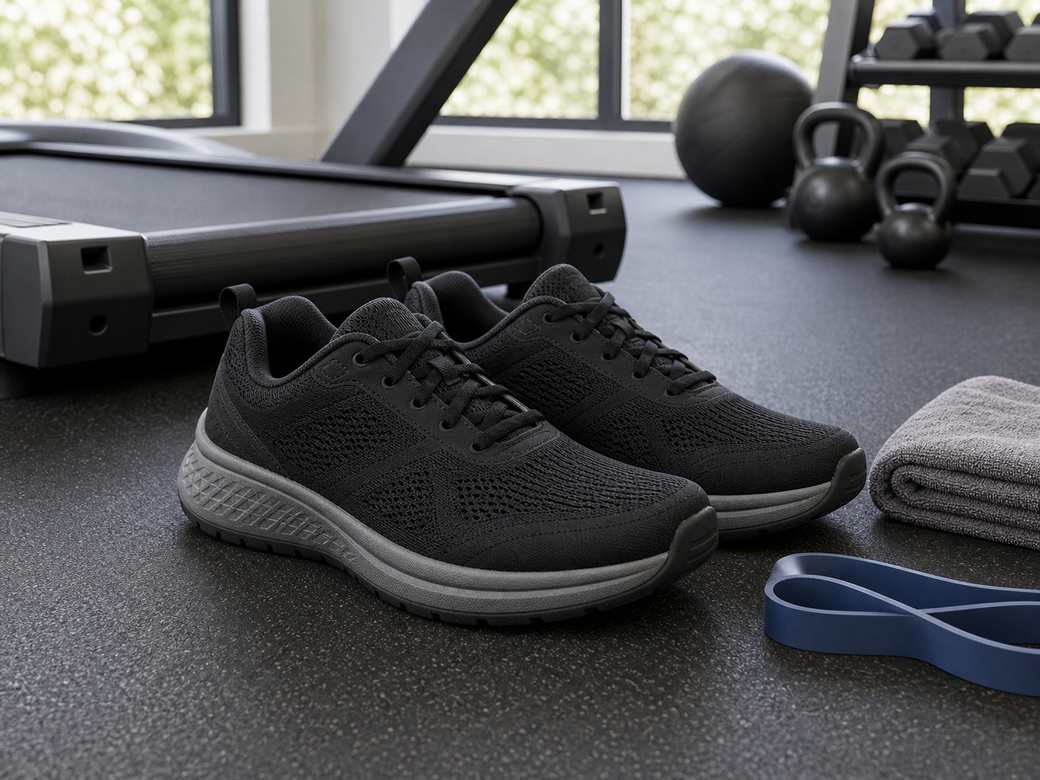
For gym and training, wide-foot shoppers should compare stable trainers rather than soft running shoes. Start with best gym shoes or best training shoes, then filter for width, sidewall containment, and heel hold.
How to Fit Wide Feet
Identify the problem first. A wide forefoot, high instep, bunions, swelling, orthotic volume, and heel slip are different fit problems. The right shoe is not just the widest shoe on the shelf; it is the shoe that solves your pressure point without creating a new one.
Do not size up as the default fix. A longer shoe can reduce toe pressure, but it can also move the flex point, loosen the heel, and make the shoe feel sloppy. If your toes are squeezed sideways, try wide or extra wide before adding length.
Check platform width. Some shoes have roomy uppers but narrow midsoles. If your foot spills over the platform or you feel the sidewall under your forefoot, the shoe may not be stable enough even if the upper feels soft.
Try shoes later in the day with your real socks and insoles. Feet can swell after walking, standing, heat, travel, or workouts. If you use orthotics, test the shoe with them from the start. A removable stock insole gives you more room to adjust the fit.
Wide vs Extra Wide vs Roomy Toe Box
Wide sizes usually add girth through parts of the shoe, but brands do not all use the same shape. Extra wide adds more room, but can feel loose if your heel or midfoot is average width. A roomy toe box gives toes more spread, but may not solve midfoot pressure or high-volume feet.
That is why the best answer is often category plus shape: wide running shoes for runners, wide walking shoes for walkers, wide comfort shoes for pressure-sensitive feet, or toe-box-shaped shoes when toe splay is the main issue.
What to Avoid
- Buying a longer shoe when the real problem is width.
- Accepting heel slip because the toe box finally feels roomy.
- Choosing soft cushioning if the platform is too narrow or unstable.
- Assuming every wide shoe from one brand fits the same way.
- Keeping shoes that press across the top of the foot during a short try-on.
- Buying final-sale wide shoes without trying the model before.
- Treating shoe recommendations as medical advice for persistent pain, numbness, diabetes-related foot concerns, or recent injury.
Related Guides
Use this page as the wide-foot starting point. For deeper category help, compare best running shoes for wide feet, best walking shoes for wide feet, best walking shoes, best running shoes, best shoes for standing all day, and best training shoes.
Sources Checked
Manufacturer sources rechecked August 23, 2026: New Balance 1080v15, Brooks shoes in widths, Skechers GO WALK Arch Fit 2.0 Cassy, HOKA Bondi 9, ASICS GEL-NIMBUS 28 WIDE, Orthofeet Edgewater, and Altra FootShape fits. Widths and configurations vary by exact model, gender and color, so verify the selected product page before buying.
FAQ
What shoes are best for wide feet?
The best shoes for wide feet offer real width options or naturally roomy toe boxes, secure heel hold, stable cushioning, and enough volume for socks or insoles without pressure. New Balance is the strongest first comparison, but Brooks, Skechers, HOKA, ASICS, Orthofeet, and Altra can all make sense by use case.
Should wide feet size up?
Not as the default fix. Sizing up can add length, but it does not always solve width. If sizing up causes heel slip or changes where the shoe bends, try wide or extra wide instead.
Are wide shoes the same as roomy toe-box shoes?
No. A roomy toe box helps toes spread, but may not add enough midfoot or instep volume. A wide size can add more overall room, but may still be the wrong shape for your foot.
What if wide shoes slip at the heel?
Try a different model, a narrower heel shape, heel-lock lacing, or a shoe with better midfoot hold. Do not accept major heel slip just to get forefoot room.
Do wide feet need special insoles?
Not always. Some people only need a better shoe shape. If you use orthotics or thicker insoles, choose shoes with removable stock insoles and enough volume to fit them without crowding the top of your foot.
Final Recommendation
Start with the activity route, then the pressure pattern. Use the running guide for impact and pace, the walking guide for slow-pace stability and swelling, the standing guide for long shifts and workplace rules, and the training guide for lateral control. After that, compare labeled width steps, toe-box shape, instep volume and heel hold—do not buy one wide shoe for every job.
Retailer note: Shoe Like is not showing live affiliate checkout links on this page yet. When affiliate links are added, each retailer URL should be verified and commercial links should use sponsored/nofollow handling.
One Comment
Comments are closed.