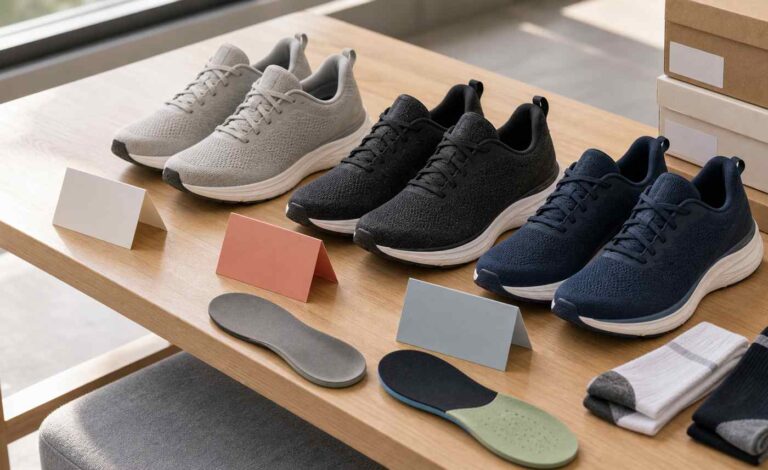
Best Running Shoes in 2026
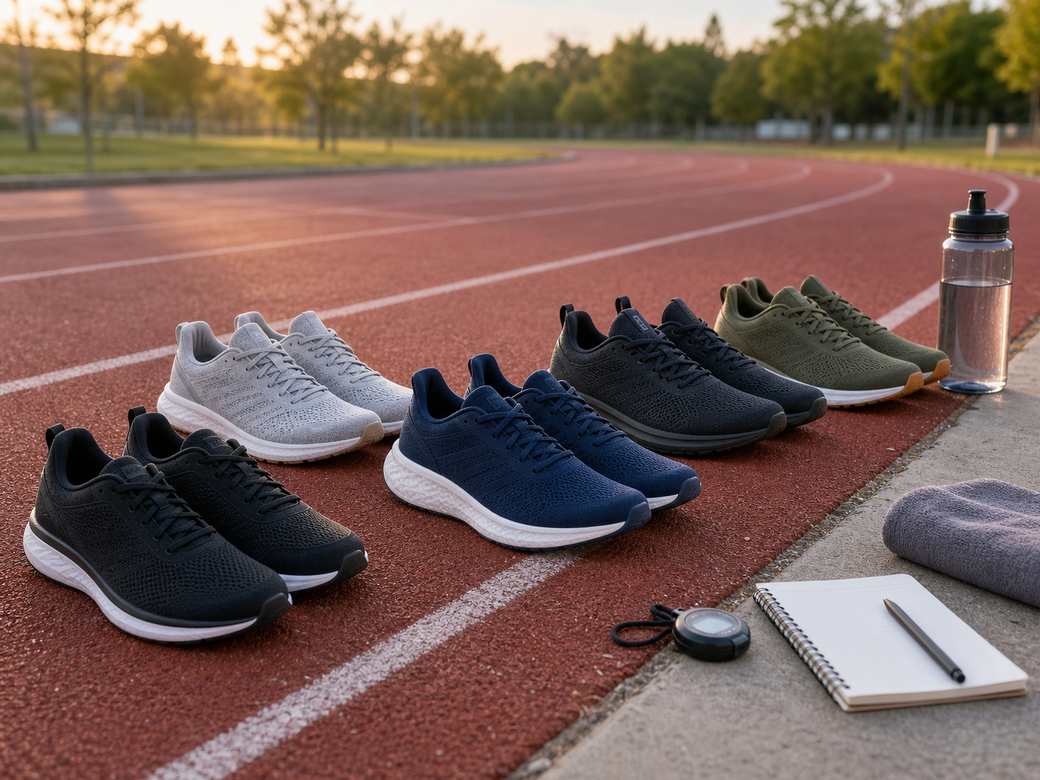
Disclosure: Shoe Like may earn a commission when you buy through links on this page. This does not affect our recommendations. We do not show live prices, discounts, stock status, ratings, or retailer availability unless we have verified them.
The best running shoes are not the same for every runner. A beginner training for a first 5K, a runner building weekly mileage, a heavier runner who wants more protection, a wide-foot runner, a mild overpronator, and someone doing faster workouts all need different things underfoot. This guide starts with use case first, then points you toward shoe families that make sense to compare in 2026.
Short answer: most runners should start with a comfortable daily trainer such as the Brooks Ghost line, ASICS Novablast line, Nike Pegasus line, or Saucony Ride line. Choose the HOKA Clifton line or New Balance Fresh Foam X 1080 line if plush cushioning is the priority. Look at ASICS GT-2000 or Kayano and Saucony Guide lanes if you need more stability. Budget shoppers should compare previous-year models before buying the cheapest current shoe.
Quick Picks
| Pick | Best for | Why it belongs | Watch out for |
|---|---|---|---|
| Brooks Ghost line | Best safe daily trainer starting point | A dependable neutral daily-trainer lane for easy miles, walking crossover, and runners who want simple comfort. | Not the liveliest speed shoe. |
| ASICS Novablast line | Best energetic daily trainer comparison | A popular responsive daily-training lane for runners who want more bounce than a traditional trainer. | Some runners prefer a calmer, more stable feel. |
| HOKA Clifton line | Best cushioned comfort comparison | A soft, protective road-running lane for easy miles, standing comfort crossover, and recovery days. | The high-cushion feel is not for everyone. |
| Nike Pegasus line | Best familiar do-everything Nike lane | A classic daily-training comparison for runners who want a mainstream neutral road shoe. | Fit and ride can change between versions. |
| New Balance Fresh Foam X 1080 line | Best plush wide-fit comparison | Worth comparing for soft cushioning and broader fit availability in many seasons. | Check width, heel hold, and platform stability. |
| ASICS GT-2000 or Kayano line | Best stability comparison | A sensible path for runners who want more guidance than a neutral trainer. | Do not buy support shoes only because they sound safer. |
| Saucony Ride or Guide line | Best practical value comparison | Ride covers neutral daily training; Guide covers a more stable daily-training lane. | Verify current model and sale policy. |
1. Brooks Ghost Line
Best daily trainer starting point.
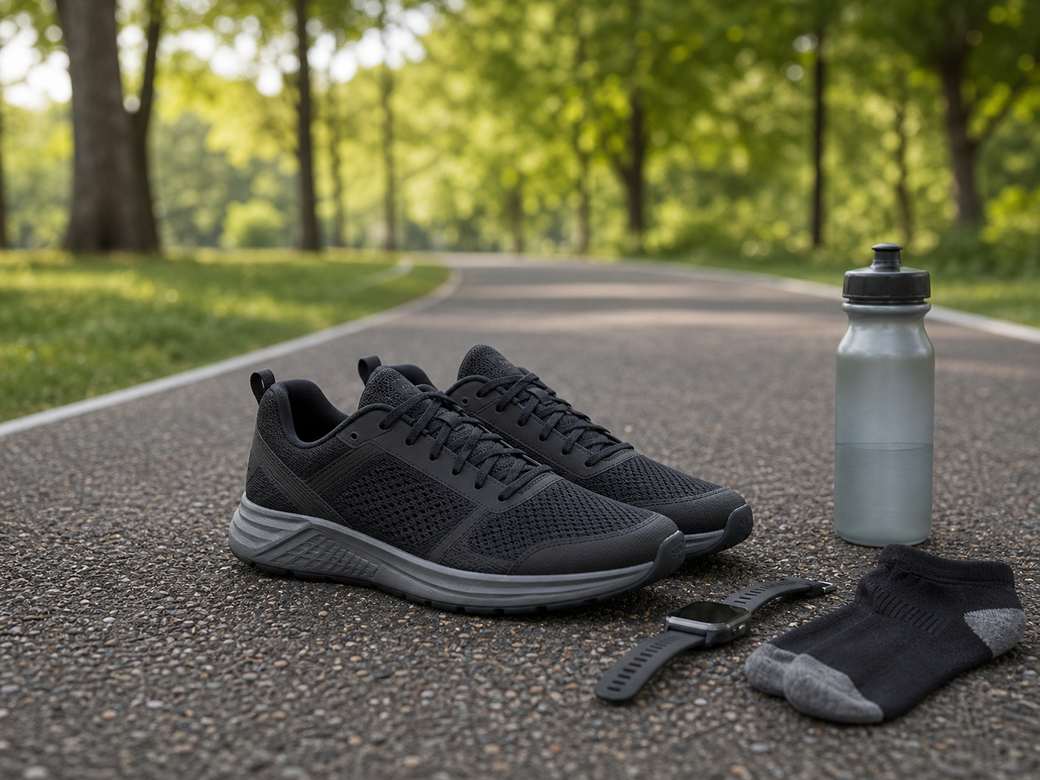
The Brooks Ghost line is the kind of shoe family many runners should compare first because it sits in the neutral daily-trainer category. That category matters more than hype: daily trainers are built for easy miles, routine workouts, walking crossover, and the steady runs that make up most weekly mileage. If you are not sure whether you need a race shoe, plated shoe, or max-cushion shoe, start here.
Who should buy it: Buy this lane if you want a calm, familiar road-running feel for easy mileage. Skip it if you want a very soft max-cushion ride or a fast workout shoe.
2. ASICS Novablast Line
Best energetic daily trainer comparison.
The ASICS Novablast line is a strong comparison point for runners who want daily-training comfort with more bounce and personality. It makes sense for easy miles, steady runs, and runners who find traditional daily trainers a little dull. It is not a medical support shoe or a race-day specialist; it is a more lively daily trainer lane.
Who should buy it: Buy this lane if you want a fun daily trainer and do not mind a more energetic ride. Skip it if you want maximum ground feel or a very stable support platform.
3. HOKA Clifton Line
Best cushioned comfort comparison.
The HOKA Clifton line belongs in the best-running-shoes conversation because many shoppers are looking for soft protection, easy-day comfort, and a high-cushion road feel. It is especially useful to compare if your runs are mostly easy miles, recovery runs, or walk-run routines where impact comfort matters more than speed.
Who should buy it: Buy this lane if you want cushioning and comfort first. Skip it if you dislike taller midsoles or need a firmer, more connected ride.
4. Nike Pegasus Line
Best familiar nike daily trainer lane.
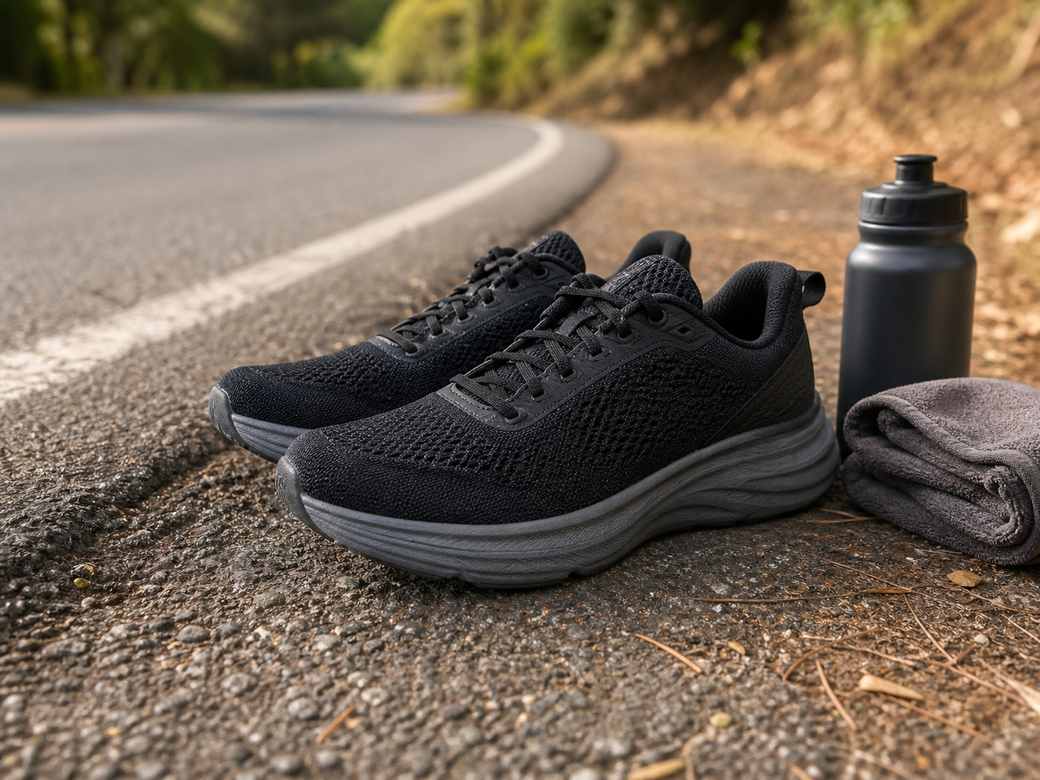
The Nike Pegasus line is one of the most familiar neutral daily-training lanes. It is worth comparing if you want a mainstream running shoe for easy road miles, treadmill runs, and general fitness running. Treat each version separately because fit, upper feel, outsole coverage, and ride can change from year to year.
Who should buy it: Buy this lane if you like Nike fit and want one practical road shoe. Skip it if you need extra width, very plush cushioning, or dedicated stability support.
5. New Balance Fresh Foam X 1080 Line
Best plush wide-fit comparison.
The New Balance Fresh Foam X 1080 line is a strong comparison point for runners who want soft cushioning and often need more fit options. Width availability can be a major reason to compare New Balance, but do not size up blindly. A good wide fit should still hold the heel and midfoot securely.
Who should buy it: Buy this lane if soft cushioning and width options matter. Skip it if your foot slides on the platform or if the heel does not hold.
6. ASICS GT-2000 or Kayano Line
Best stability running shoe comparison.
Stability shoes are for runners who want more guidance than a neutral trainer, not for everyone with tired feet. ASICS GT-2000 and Kayano lanes are useful comparisons because they sit in the support-minded road-running category. The right stability shoe should feel guided, not forced.
Who should buy it: Buy this lane if a neutral trainer feels unstable or your fitter has recommended more support. Skip it if neutral shoes feel natural and stable already.
7. Saucony Ride or Guide Line
Best practical value comparison.
Saucony Ride and Guide lines are useful because they split the daily-trainer decision cleanly: Ride for neutral daily training, Guide for a more stable daily-training path. They are also worth watching when previous-year versions go on sale, which can create better value than the cheapest entry-level shoe.
Who should buy it: Buy this lane if you want a practical daily trainer and are willing to compare current and prior versions. Skip it if you need max cushioning or a race-focused shoe.
How to Choose Running Shoes
Choose by job first. Daily trainers are for most easy miles. Max-cushion shoes are for comfort and protection. Stability shoes add guidance for runners who want more support. Lightweight trainers are for faster workouts. Racing shoes are for race day. Trail shoes are for dirt, rock, mud, or mixed surfaces. A shoe can be excellent and still wrong for your use case.
Fit beats technology. Leave enough toe room for swelling and downhill movement, but do not buy so long that your heel slips. The midfoot should feel secure without pinching. The heel should stay seated when you jog, turn, and climb stairs. If your foot spills over the platform or slides forward, pick a different width or model.
Cushioning is personal. Soft shoes can feel protective and pleasant, but too much softness can feel unstable for some runners. Firmer shoes can feel efficient and controlled, but harsh for long easy runs. The best running shoe should feel good at your real pace, not just when you stand in it for ten seconds.
Think about replacement early. Many runners replace road shoes around 300 to 500 miles, but visible outsole wear, midsole compression, uneven wear, discomfort, and surface type matter. If a shoe starts feeling flat, unstable, or irritating, it may be time to rotate or replace it even before a round mileage number.
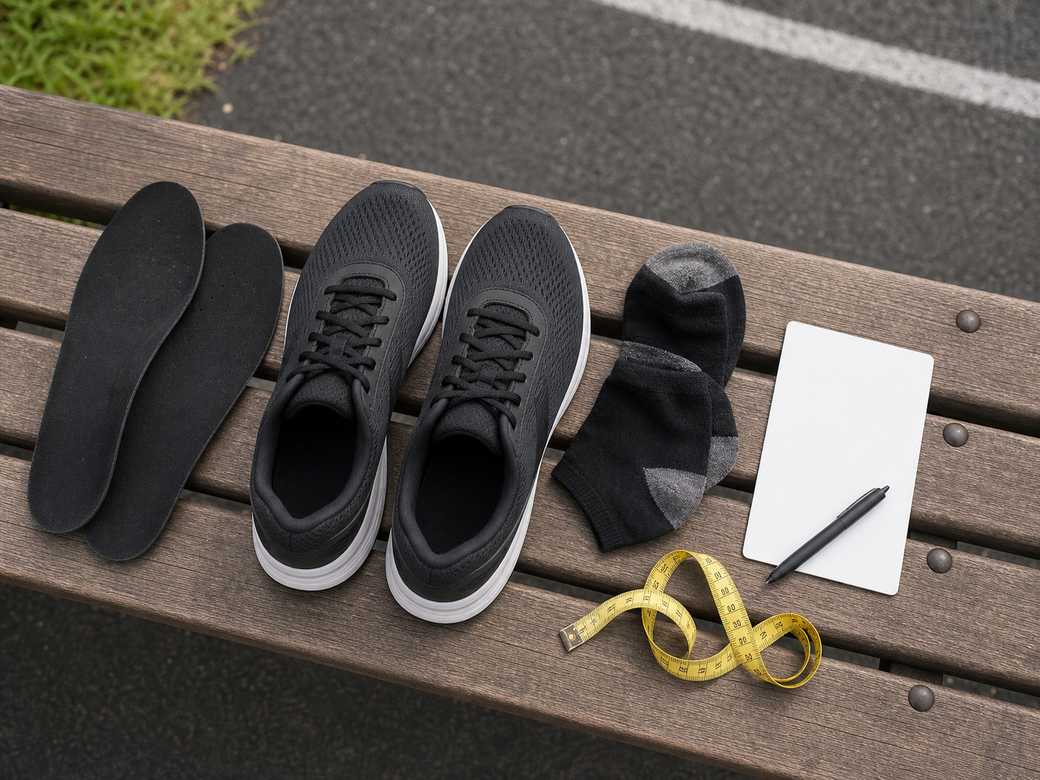
Running Shoes by Runner Type
- Beginners: choose a comfortable neutral daily trainer unless you already know you need support.
- Wide feet: prioritize actual width options, toe-box shape, heel hold, and return policy.
- Flat feet: compare stable neutral shoes and stability shoes, but avoid fake injury-prevention promises.
- Long-run comfort: compare cushioned daily trainers and max-cushion shoes with stable platforms.
- Speed workouts: use lighter trainers or tempo shoes, not necessarily full race shoes.
- Budget shoppers: compare previous-year premium models and current sale colors before buying entry-level shoes.
What to Avoid
- Buying a racing shoe for everyday beginner mileage because it looks fast.
- Using lifestyle sneakers for regular running just because they look athletic.
- Sizing up to fix width when the shoe is actually the wrong shape.
- Choosing max cushioning if it makes your foot feel wobbly.
- Buying stability shoes only because they sound safer.
- Ignoring return policy on sale shoes you have never tried.
- Assuming one brand fits every foot the same way across all models.
Related Guides
If you are new to running, start with best running shoes for beginners. For fit-specific needs, compare best running shoes for wide feet and best running shoes for flat feet. Budget shoppers can use best running shoes under $100. For category context, start from the running shoes hub.
Sources Checked
Research sources accessed July 8, 2026: Brooks search for Ghost, ASICS search for Novablast, HOKA search for Clifton, Nike search for Pegasus, New Balance search for 1080, and Saucony search for Ride. Product pages, sizes, widths, stock, colors, and prices change quickly, so verify the current retailer page before buying.
FAQ
What running shoes are best for most runners?
Most runners should start with a comfortable daily trainer that fits well, matches their mileage, and feels stable at an easy pace. Brooks Ghost, ASICS Novablast, Nike Pegasus, and Saucony Ride lanes are useful starting comparisons.
Do beginners need expensive running shoes?
Beginners usually need comfort, fit, and a practical daily trainer more than premium racing technology. A discounted prior-year daily trainer can be a better value than a cheap shoe that does not fit.
Are max-cushion running shoes better?
Not automatically. Max-cushion shoes can feel protective for easy and long runs, but some runners prefer firmer or lower shoes because they feel more stable.
How many miles do running shoes last?
Many runners replace road running shoes around 300 to 500 miles, but surface, gait, body weight, shoe type, and visible wear can change that range. Comfort and stability matter more than the exact number.
Should I buy running shoes a half size bigger?
Some runners do go up a half size for toe room, but size is not the same as width. If the shoe is too narrow, choose a wide option or a different shape instead of simply making it longer.
Final Recommendation
Start with a daily trainer if you are not sure what you need. Compare Brooks Ghost for a calm neutral starting point, ASICS Novablast for a more energetic daily trainer, HOKA Clifton or New Balance 1080 for plush comfort, Nike Pegasus for a familiar mainstream road shoe, ASICS GT-2000 or Kayano for stability, and Saucony Ride or Guide for practical daily-training value.
Retailer note: Retailer links are added only after each destination is verified; commercial links use sponsored/nofollow handling.