Brooks Running Shoes
Disclosure: Shoe Like may earn a commission when you buy through links on this page. This does not affect our recommendations. We do not show live prices, discounts, stock status, ratings, or retailer availability unless we have verified them.
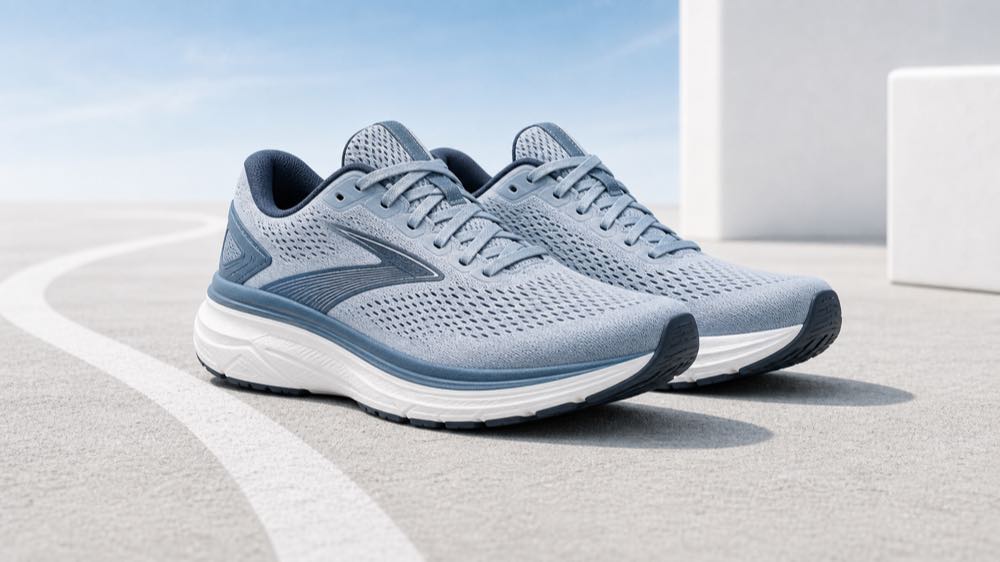
Brooks running shoes are a good place to start if you want practical road-running shoes without sorting through too many fashion-first releases. The brand is especially strong in daily trainers, comfort shoes, support shoes, and dependable road-to-trail options. For most shoppers, the hard part is not whether Brooks makes a running shoe that works; it is matching the right model family to your mileage, support needs, and cushioning preference.
The short version: start with Ghost if you want a neutral daily trainer, Glycerin if you want a softer premium ride, Adrenaline GTS if you want support and guidance, Ghost Max if you want a stable high-cushion road shoe that can also work for walking, Hyperion if you want a lighter faster-feeling trainer, and Cascadia or Caldera if your running includes trails.
Best Brooks Running Shoes by Use Case
| Use case | Brooks line to compare | Why it fits | Watch out for |
|---|---|---|---|
| Neutral daily running | Ghost family | Reliable everyday road trainer feel for easy miles and general training. | Not the softest or fastest option in the Brooks lineup. |
| Soft comfort running | Glycerin family | Premium cushioned feel for runners who want a plusher daily trainer. | May feel too soft or expensive if you prefer simple trainers. |
| Support and guidance | Adrenaline GTS family | Support-minded road trainer for runners who like more guided landings. | Neutral runners may not need the extra guidance. |
| Stable high cushion | Ghost Max family | More protective platform for easy running, walking, and comfort-first use. | Less nimble than lighter daily trainers. |
| Faster training | Hyperion family | Lighter and quicker-feeling option for tempo runs and faster workouts. | Less comfort-first than Ghost, Glycerin, or Ghost Max. |
| Trail running | Cascadia or Caldera family | Trail-specific grip and protection for dirt, rocks, and uneven routes. | Road runners should not default to trail shoes for pavement. |
How to Choose the Right Brooks Running Shoe
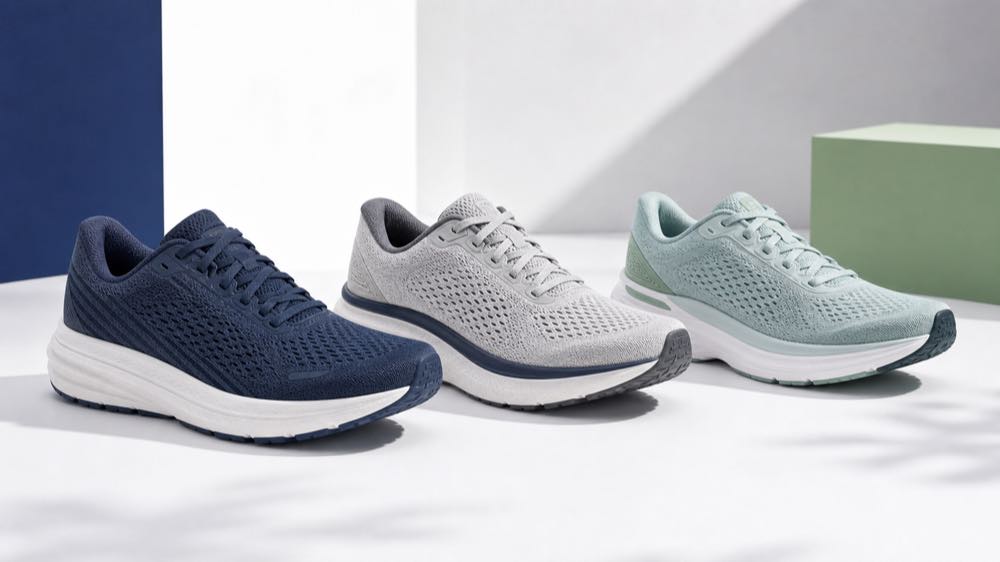
First decide whether you want neutral, support, soft comfort, speed, or trail performance. Brooks model names are fairly clear once you group them by job. Ghost is the classic neutral daily trainer lane. Glycerin is the softer comfort lane. Adrenaline GTS is the support lane. Ghost Max is the stable high-cushion lane. Hyperion is the faster trainer lane. Cascadia and Caldera are trail lanes.
Second, choose the feel you actually enjoy. Some runners want a shoe that disappears on foot and handles daily miles without drama. Others want plush cushioning for long walks, standing-heavy days, or recovery runs. If you dislike soft shoes, do not buy the softest model just because it sounds premium. If you need more protection, do not chase a lightweight workout shoe as your only pair.
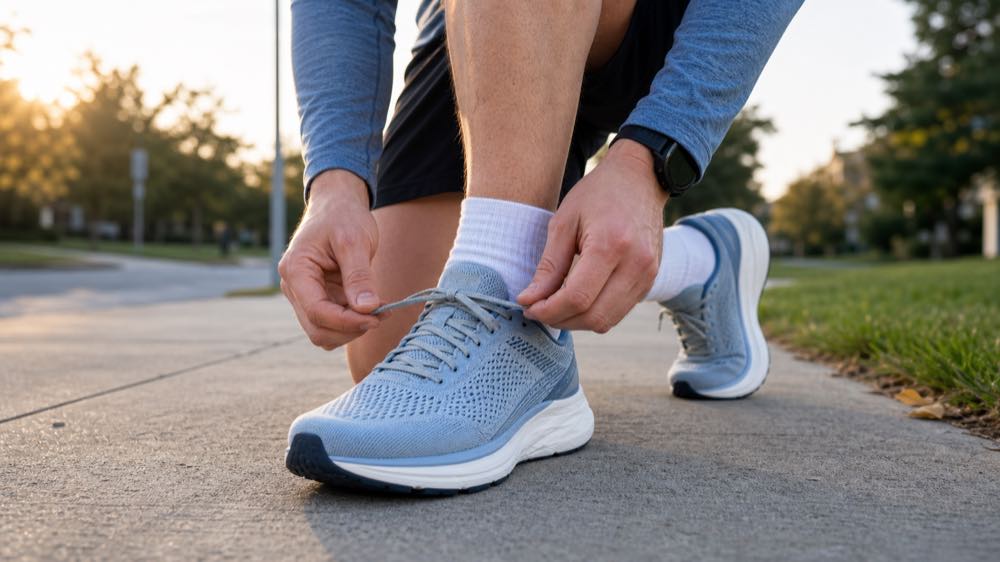
Third, check width, heel hold, and toe room. Brooks is often a friendly brand for runners who care about fit, but model shape still matters. Your toes should have room to spread, the heel should stay seated, and the midfoot should feel secure without lace bite. If you use orthotics, try them in the shoe before judging size or lockdown.
Brooks Cushioning and GuideRails Support Explained
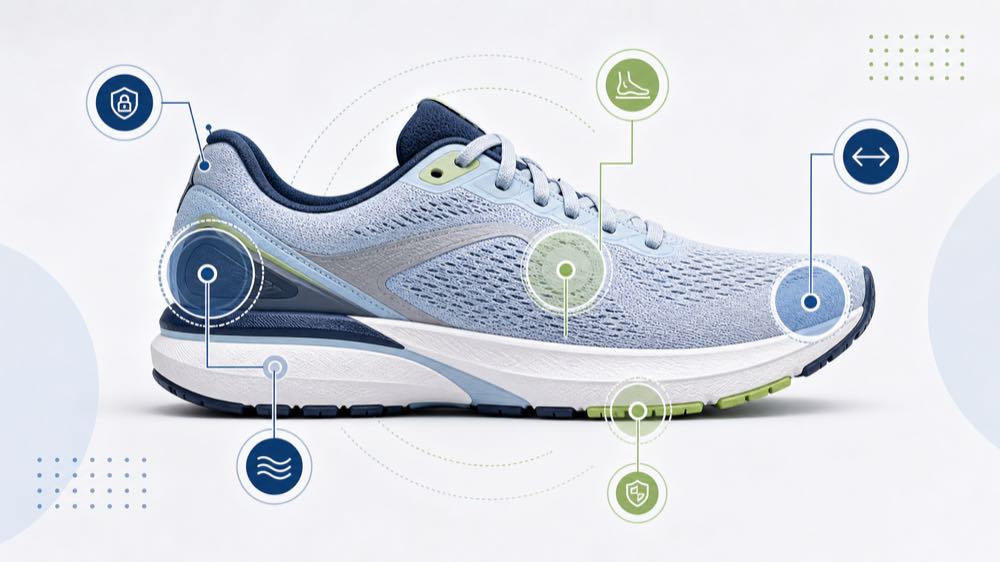
Brooks does not have one universal ride. Ghost usually feels like the dependable neutral option. Glycerin is the comfort-first cushioned option. Ghost Max feels more protective and platform-oriented. Hyperion is lighter and more responsive. Trail models trade some road smoothness for grip and protection. The best Brooks shoe is the one that fits your pace, surface, and tolerance for softness.
The GTS models are Brooks’ support-oriented lane. They are often described around GuideRails support, which is meant to guide movement rather than simply adding a firm post under the arch. In practical shopping terms, compare GTS models if you know you like support shoes, your old neutral shoes feel unstable, or a specialist has recommended more guidance. Do not assume everyone needs a support shoe.
For walkers and standing-heavy days, Ghost, Glycerin, and Ghost Max are the Brooks families most shoppers compare first. Running shoes can feel excellent for walking, but they should still match your foot shape and work surface. If you need a shoe for gym training, lateral movement, or heavy lifting, compare training shoes instead of using a soft road runner for everything.
Who Should Buy Brooks Running Shoes?
Brooks is a strong brand to consider if you want practical road shoes, clear model families, and a fit-first buying process. It is especially useful for beginners, daily runners, walkers, runners who want support options, and shoppers who prefer a straightforward shoe lineup over aggressive racing styling.
Brooks may be less ideal if you want the flashiest super-shoe feel, a very minimalist low-stack ride, or a fashion sneaker. The brand can still make fast shoes, but its core strength for most shoppers is dependable training comfort, support choices, and road-running clarity.
Brooks vs ASICS, HOKA, New Balance, and Nike
Compared with ASICS, Brooks often feels straightforward and fit-focused, while ASICS offers a broader mix of traditional stability and more energetic trainer options. Compared with HOKA, Brooks usually feels less rocker-driven and more familiar underfoot. Compared with New Balance, Brooks competes well for daily training comfort, though New Balance may offer more width variety in some models. Compared with Nike, Brooks is usually the quieter, comfort-first choice for everyday training rather than style-led sneaker culture.
If you are still choosing by category, start with our beginner running shoe guide, wide-feet running shoe guide, and running shoes vs training shoes guide. Those pages help you decide what kind of shoe you need before choosing a Brooks model.
Buying Checklist
- Choose the model family by job: Ghost, Glycerin, Adrenaline GTS, Ghost Max, Hyperion, Cascadia, or Caldera.
- Pick neutral or support before comparing colors or discounts.
- Check heel lockdown, toe room, and midfoot security before judging cushioning.
- Use GTS models when you want guidance, not because every runner needs support.
- Choose trail shoes only if you actually run dirt, rocks, or uneven routes.
- Verify the latest model, size availability, return policy, and retailer details before buying.
Sources and Methodology
This guide is based on editorial desk research, not an unreported hands-on test. The Shoe Like Editorial Team reviewed current manufacturer information and official foot-health or sports guidance, then compared intended use, fit, cushioning, stability, width options, and practical buying considerations. We do not publish unverified prices, ratings, stock, or performance claims.
Sources checked: Brooks official road-running shoes; APMA running-shoe guidance. Product lines and availability can change, so verify the current model and fit with the manufacturer or retailer before buying.
FAQ
Are Brooks running shoes good for beginners?
Yes. Brooks is beginner-friendly because the main model families are easy to understand and the brand has dependable neutral, cushioned, and support options. Beginners should start with comfort, fit, and use case.
Which Brooks shoe is best for daily running?
Ghost is the Brooks line many runners compare first for neutral daily training. Glycerin is the softer comfort option, while Adrenaline GTS is the support-oriented alternative.
What does GTS mean in Brooks shoes?
GTS usually refers to Brooks’ support-oriented models with GuideRails-style guidance. These shoes are worth comparing if you prefer support or have been advised to use a more guided shoe.
Can Brooks running shoes work for walking?
Many Brooks road-running shoes can work well for walking, especially Ghost, Glycerin, and Ghost Max. For all-day use, prioritize fit, heel hold, cushioning feel, and return policy.