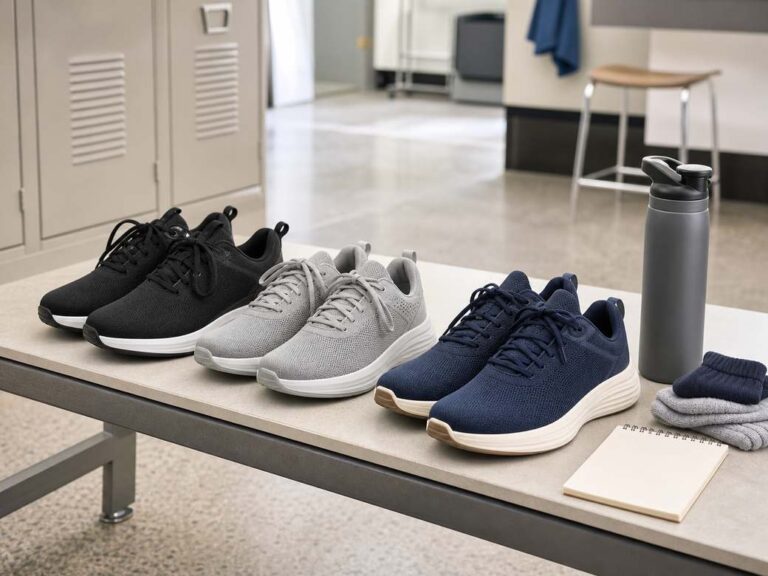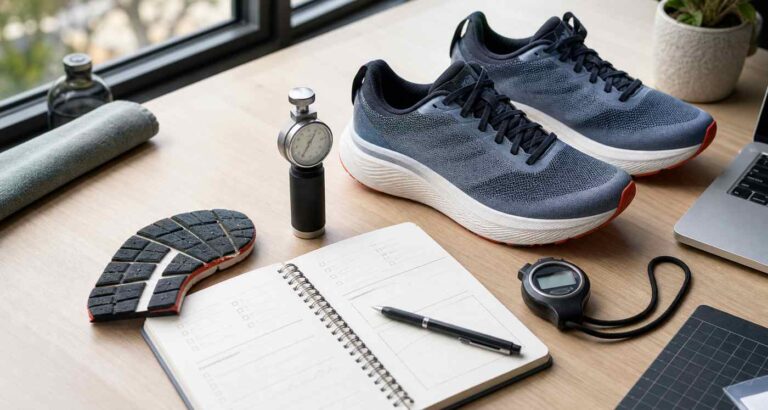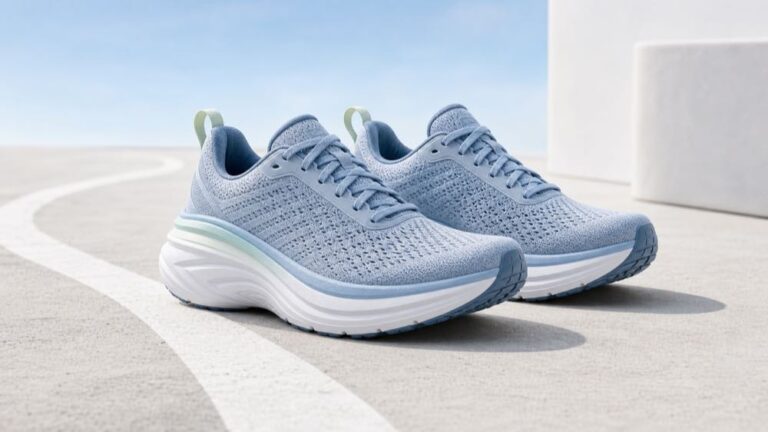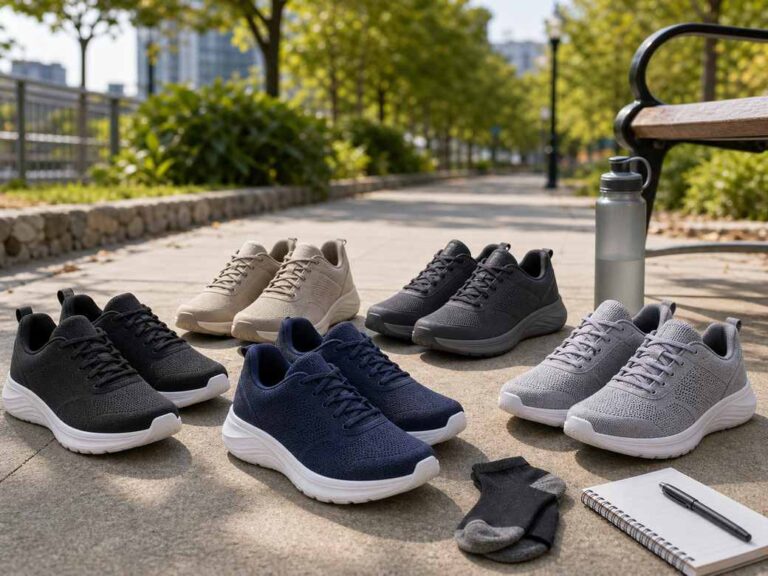
New Balance Shoes
Disclosure: Shoe Like may earn a commission when you buy through links on this page. This does not affect our recommendations. We do not show live prices, discounts, stock status, ratings, or retailer availability unless we have verified them.
New Balance shoes are especially useful for shoppers who care about fit. The brand has running shoes, walking-friendly trainers, stability shoes, lightweight workout shoes, trail shoes, and casual sneakers, but its biggest advantage for many buyers is width choice. If regular running shoes squeeze your toes or force you to size up too much, New Balance is often one of the first brands worth comparing.
The short version: start with the Fresh Foam X 1080 family if you want plush daily comfort, 880 if you want a more straightforward everyday trainer, 860 if you want stability, Fresh Foam X More if you want max-cushion comfort, FuelCell Rebel if you want a lighter faster trainer, SuperComp models if you need race-day performance, and Hierro or trail lines if your route includes dirt or uneven ground.
Best New Balance Shoes by Use Case
| Use case | New Balance line to compare | Why it fits | Watch out for |
|---|---|---|---|
| Plush daily comfort | Fresh Foam X 1080 family | Soft premium daily trainer lane for easy running, walking, and comfort-first miles. | May feel too soft if you prefer a firmer ride. |
| Simple daily running | Fresh Foam X 880 family | Balanced everyday trainer option for runners who want less drama and dependable fit. | Not as plush as 1080 or as quick as Rebel. |
| Stability support | Fresh Foam X 860 family | Support-minded road trainer for runners who prefer guidance and a more stable platform. | Neutral runners may not need the extra structure. |
| Max cushion walking and easy runs | Fresh Foam X More family | More protective underfoot feel for long walks, standing, and relaxed miles. | Can feel bulky for speed work. |
| Faster daily training | FuelCell Rebel family | Lighter and more responsive option for uptempo runs and runners who dislike heavy trainers. | Less protective than max-cushion models. |
| Race day | FuelCell SuperComp family | Performance-focused category for faster workouts and racing. | More specialized than most daily trainers. |
| Trail running | Fresh Foam X Hierro or trail lines | Trail-specific grip and protection for dirt, rocks, and mixed terrain. | Road runners should not default to trail outsoles. |
How to Choose the Right New Balance Shoe
Start with your main use. Road running, walking, standing all day, gym training, trail running, and casual wear all ask different things from a shoe. A soft road runner can be excellent for easy miles but awkward for lifting. A trail shoe can be protective off-road but less smooth on pavement. A lifestyle sneaker can look great but should not automatically replace a true running shoe.
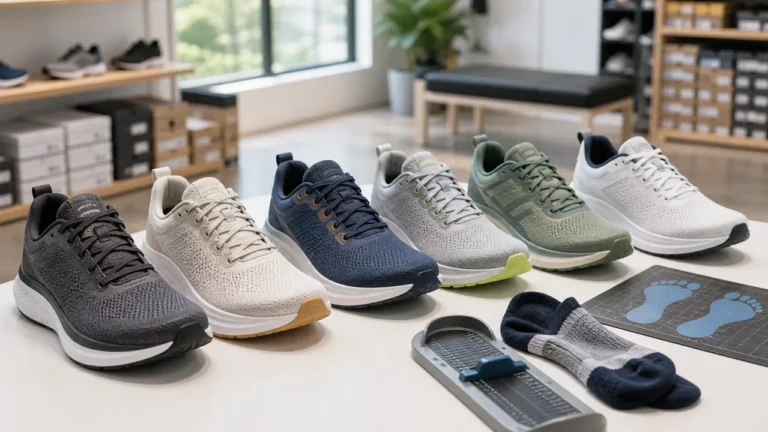
Next, choose width before you chase cushioning. New Balance is often strong here because many models are offered in multiple widths, though availability can vary by size and color. If your toes feel squeezed, your pinky toe rubs, or you usually size up just to get width, compare the correct width first. A longer shoe is not always a better-fitting shoe.
Then pick the ride. 1080 is the softer comfort-first lane, 880 is the straightforward daily trainer lane, 860 is the stability lane, More is the max-cushion lane, Rebel is the faster trainer lane, SuperComp is the performance lane, and Hierro is the trail lane. The right pick should feel secure at the heel, relaxed at the toes, and stable enough for your normal pace.
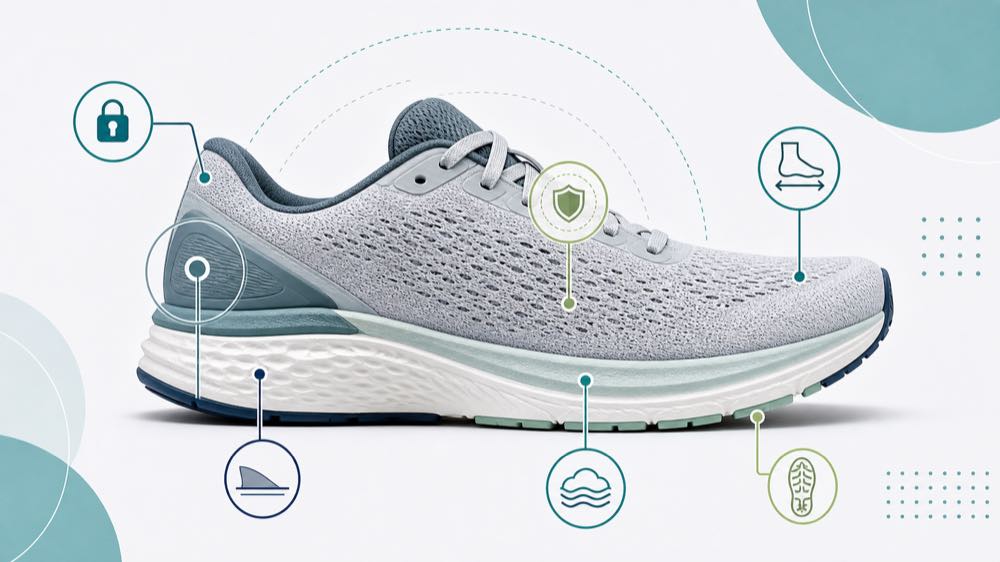
New Balance Widths and Cushioning Explained
Width is not just a comfort detail. It changes how the shoe holds your foot. Too narrow, and your forefoot can go numb or spill over the platform. Too wide, and your foot may slide around inside the shoe. The goal is toe room without sloppy lockdown. If you wear orthotics, bring them when trying shoes because they can raise the foot and change the upper fit.
Fresh Foam models usually sit in the comfort and daily training world, while FuelCell models often feel more responsive and speed-oriented. That does not mean one foam is always better than the other. A soft shoe can be perfect for easy miles and long walks. A more responsive shoe can feel better for faster days. A stability shoe can help if you prefer guidance, but not every runner needs it.
For walking and standing, New Balance can be especially compelling because fit options and comfort-first models matter more than race-day speed. For gym training, choose carefully: high-cushion road shoes are not always the best for lateral drills or heavy lifting.
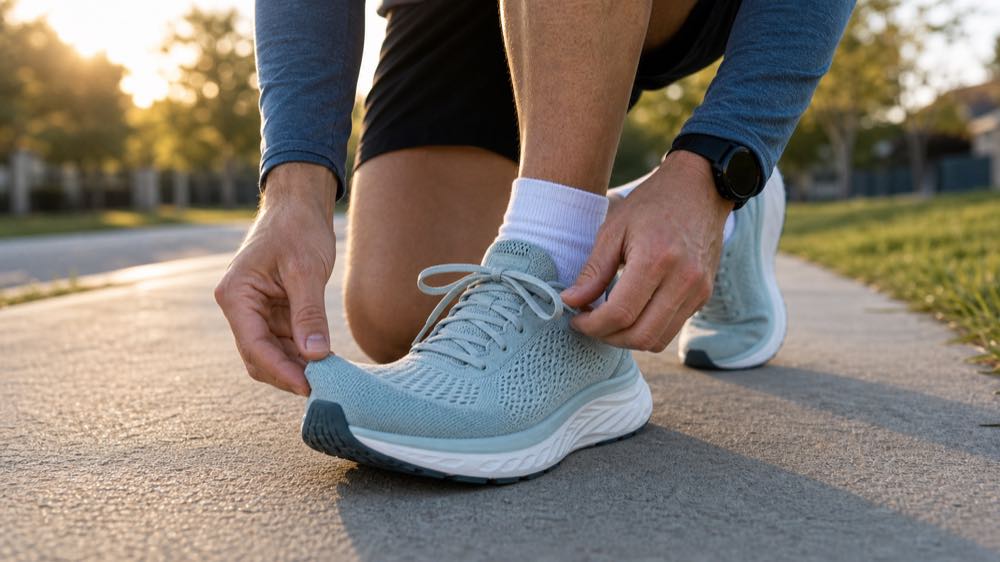
Who Should Buy New Balance Shoes?
New Balance is a strong brand to consider if you have wide feet, use orthotics, walk or stand a lot, or want practical running shoes with clear fit choices. It is also useful for runners who want a softer daily trainer, a dependable neutral trainer, a stability option, or a lighter workout shoe without leaving one brand ecosystem.
New Balance may be less ideal if you only want the most aggressive race-day feel, the flashiest sneaker styling, or one universal shoe for running, lifting, trail, and work. The lineup is broad, so the safest approach is to choose the job first and the model second.
New Balance vs Nike, Brooks, ASICS, and HOKA
Compared with Nike, New Balance often feels more fit- and width-focused, while Nike has more style and race-category energy. Compared with Brooks, New Balance can offer more width flexibility in some models, while Brooks keeps daily training decisions very straightforward. Compared with ASICS, New Balance is often easier to shop for width, while ASICS has strong traditional stability and cushioned road options. Compared with HOKA, New Balance may feel less rocker-driven and more conventional, while HOKA is simpler if your top priority is max-cushion identity.
If you are still choosing by category, start with our wide-feet running shoe guide, beginner running shoe guide, and running shoes vs training shoes guide. Those pages help you choose the shoe type before choosing the brand.
Buying Checklist
- Choose the shoe job first: running, walking, standing, trail, speed, support, or casual wear.
- Check width options before sizing up for extra room.
- Use 1080 for plush comfort, 880 for simple daily training, 860 for stability, More for max cushion, Rebel for faster training, and Hierro for trail use.
- Try orthotics in the shoe before judging fit.
- Look for toe room without heel slip or midfoot looseness.
- Verify the latest model, width availability, return policy, and retailer details before buying.
Sources and Methodology
This guide is based on editorial desk research, not an unreported hands-on test. The Shoe Like Editorial Team reviewed current manufacturer information and official foot-health or sports guidance, then compared intended use, fit, cushioning, stability, width options, and practical buying considerations. We do not publish unverified prices, ratings, stock, or performance claims.
Sources checked: New Balance official running shoes; APMA running-shoe guidance. Product lines and availability can change, so verify the current model and fit with the manufacturer or retailer before buying.
FAQ
Are New Balance shoes good for wide feet?
Yes, New Balance is one of the first brands many shoppers compare for wide feet because many models are offered in multiple widths. Availability still varies by model, size, and color, so check the specific shoe before buying.
Which New Balance shoe is best for daily running?
The 880 is a straightforward daily trainer lane, while the 1080 is the softer premium comfort option. The better choice depends on whether you want simple balance or a plusher ride.
Which New Balance shoe is best for support?
The 860 family is the main New Balance line many runners compare for stability support. It is worth considering if you prefer a guided, more stable road trainer.
Can New Balance running shoes work for walking?
Many New Balance running shoes can work well for walking, especially comfort-first models and shoes available in the right width. For all-day walking, prioritize fit, heel hold, cushioning feel, and return policy.