Best Basketball Shoes for Guards
Disclosure: Shoe Like may earn a commission when you buy through links on this page. This does not affect our recommendations. We do not show live prices, discounts, stock status, ratings, or retailer availability unless we have verified them.
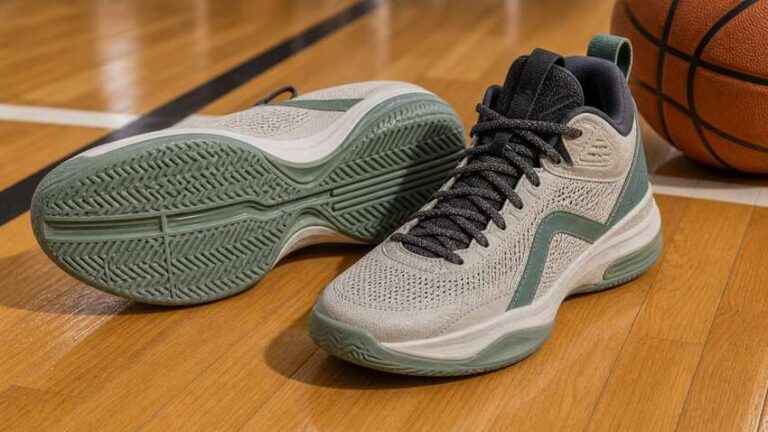
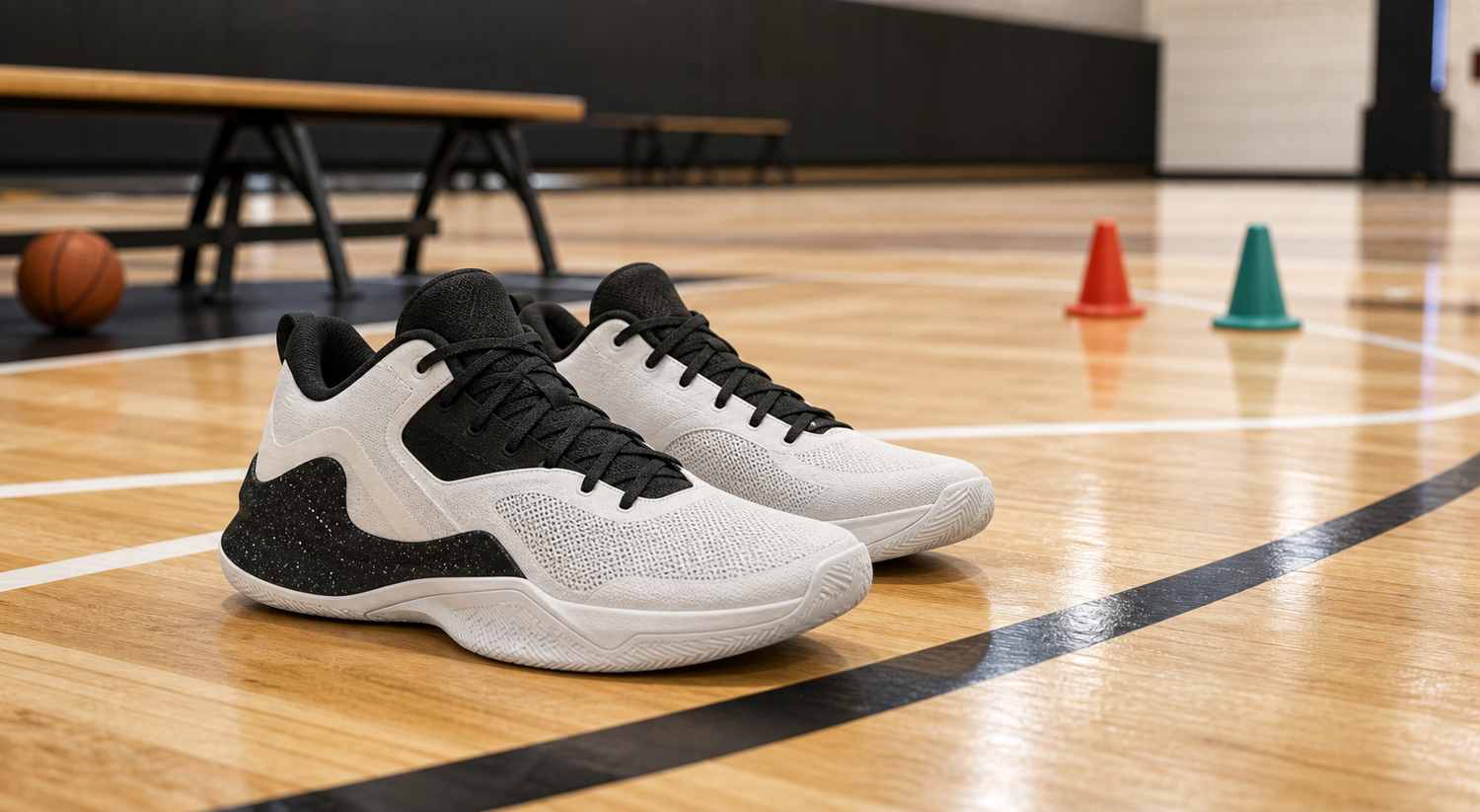
The best basketball shoes for guards should help you create separation without making your foot fight the shoe. Guards need bite on dusty courts, enough court feel to stop and restart, cushioning that does not feel mushy, and lockdown that keeps the foot centered when a move gets violent. A shoe that is great for a powerful forward may feel slow for a small guard, while a feather-light shoe may feel risky if it folds under a hard plant.
This guide is built for buyers comparing current guard-friendly shoe families, not for live prices or claimed lab testing. For broader choices, start with our Basketball Shoes hub. If you want a general all-position list first, use our best basketball shoes guide, then come back here to narrow by guard play style.
Best Basketball Shoes for Guards by Play Style
| Guard type | Shoe families to compare | Why it fits | Watch out for |
|---|---|---|---|
| Shifty ball-handler | Nike Sabrina or Ja lines, Under Armour Curry or Fox lines, adidas D.O.N. Issue family | Usually worth comparing for court feel, traction, and quick change-of-direction moves. | Too much softness can slow the first step or feel unstable on hard plants. |
| Pull-up scorer | Nike G.T. Cut family, adidas Harden family, PUMA All Pro Nitro-style guard shoes | Look for heel-to-toe transition, stop-start control, and cushioning for repeated jump stops. | A narrow forefoot or weak heel hold can ruin pull-up balance. |
| Downhill slasher | adidas AE family, Nike Ja family, New Balance basketball performance lines, PUMA MB or All Pro lines | Stronger sidewalls and a stable base help when attacking gaps and absorbing contact. | Heavy or bulky shoes can feel late on defensive recovery. |
| Defensive guard | Supportive low or mid shoes with strong lateral containment | Prioritize outsole grip, midfoot lockdown, and resistance to sliding over the edge. | Do not choose by height alone; collar height is not the same as total support. |
| Wide-foot guard | Roomier guard shoes or brands/models with width-friendly fits | Toe room matters when you cut, stop, and swell during long runs. | Sizing up can create heel slip and late containment. |
| Outdoor guard | Durable outsole basketball shoes and value-focused models | Outdoor courts punish soft rubber, thin tread, and expensive indoor-only shoes. | Great indoor traction can wear quickly outdoors. |
| Budget guard | Older colorways, previous models, takedown lines, and sale basketball shoes | Previous-version models can offer good performance when current pricing is favorable. | Verify current price, return rules, and whether the outsole fits your court. |
Do not read the table as a single ranked list. Guards vary wildly: a 150-pound shifty point guard, a physical combo guard, and a stop-start shooter can all need different shoes. Use the table to choose the lane, then compare fit, traction, cushion, and containment in that lane.
What Guards Should Check Before Buying
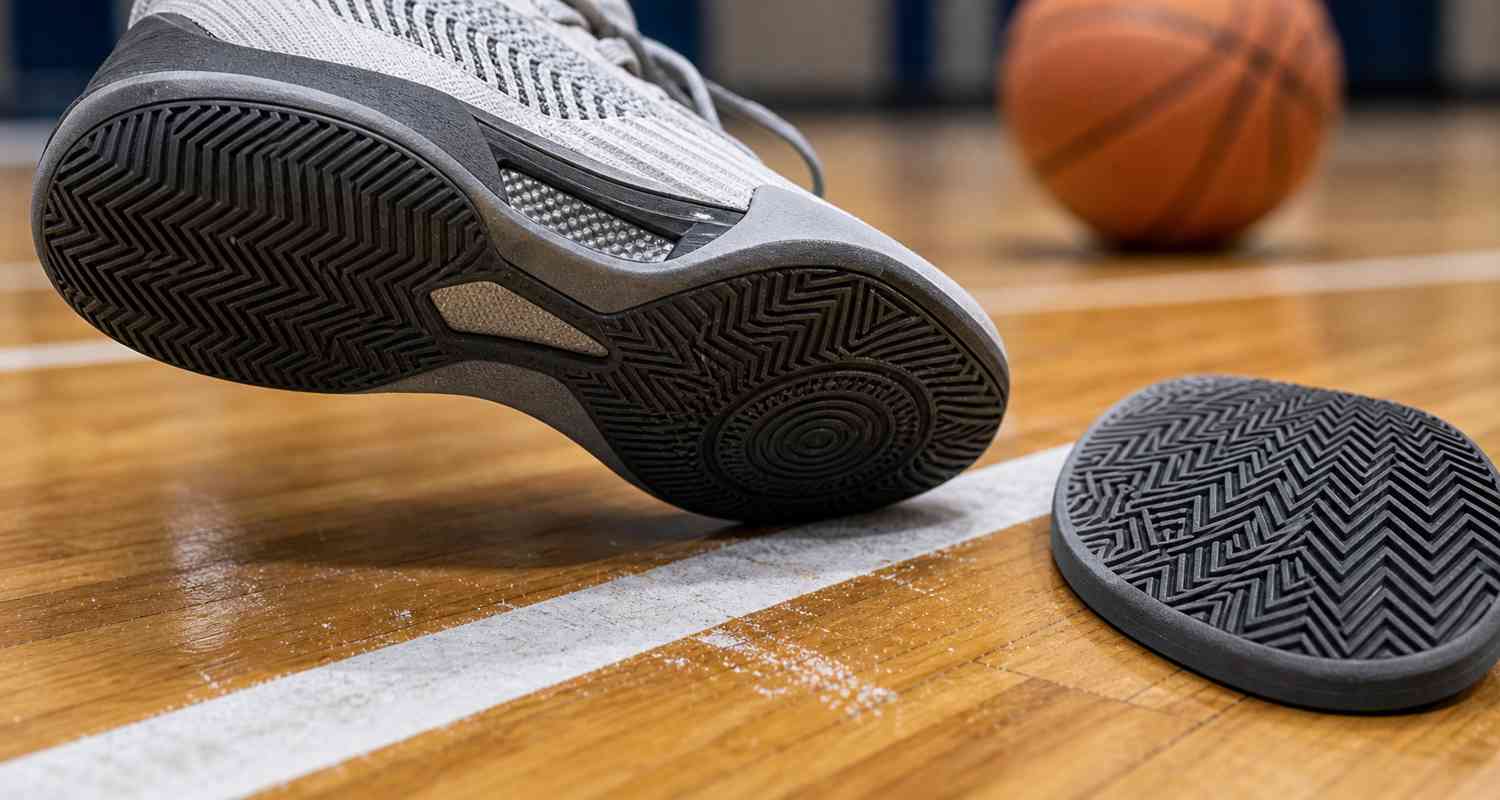
Traction comes first. Guards ask more from traction than almost any other position because the game is full of small violent movements: hesitation, crossover, step-back, pull-up, closeout, and retreat dribble. On clean indoor courts, a good pattern should bite without feeling sticky. On dusty courts, check whether the outsole can be wiped quickly. Herringbone, radial, and multi-directional patterns can all work, but the real question is whether the rubber and tread spacing match your court.
Court feel is the second filter. Many guards prefer a shoe that sits lower to the ground because it helps with balance and timing. Too much stack can feel protective, but it can also make quick changes feel delayed. Too little cushioning can feel fast for one session and punishing after repeated landings. The right guard shoe usually has responsive forefoot cushioning, enough heel protection, and a stable base that does not wobble.
Lockdown is where many guard shoes either win or fail. Your heel should stay planted, the tongue should not slide, and your midfoot should stay over the footbed during hard cuts. A shoe can be light and still feel secure if the lacing, internal padding, heel counter, and sidewall design work together. If your foot spills over the edge during a lateral plant, the shoe is not right for you even if the traction feels amazing.
Cushioning, Support, and Ankle Notes
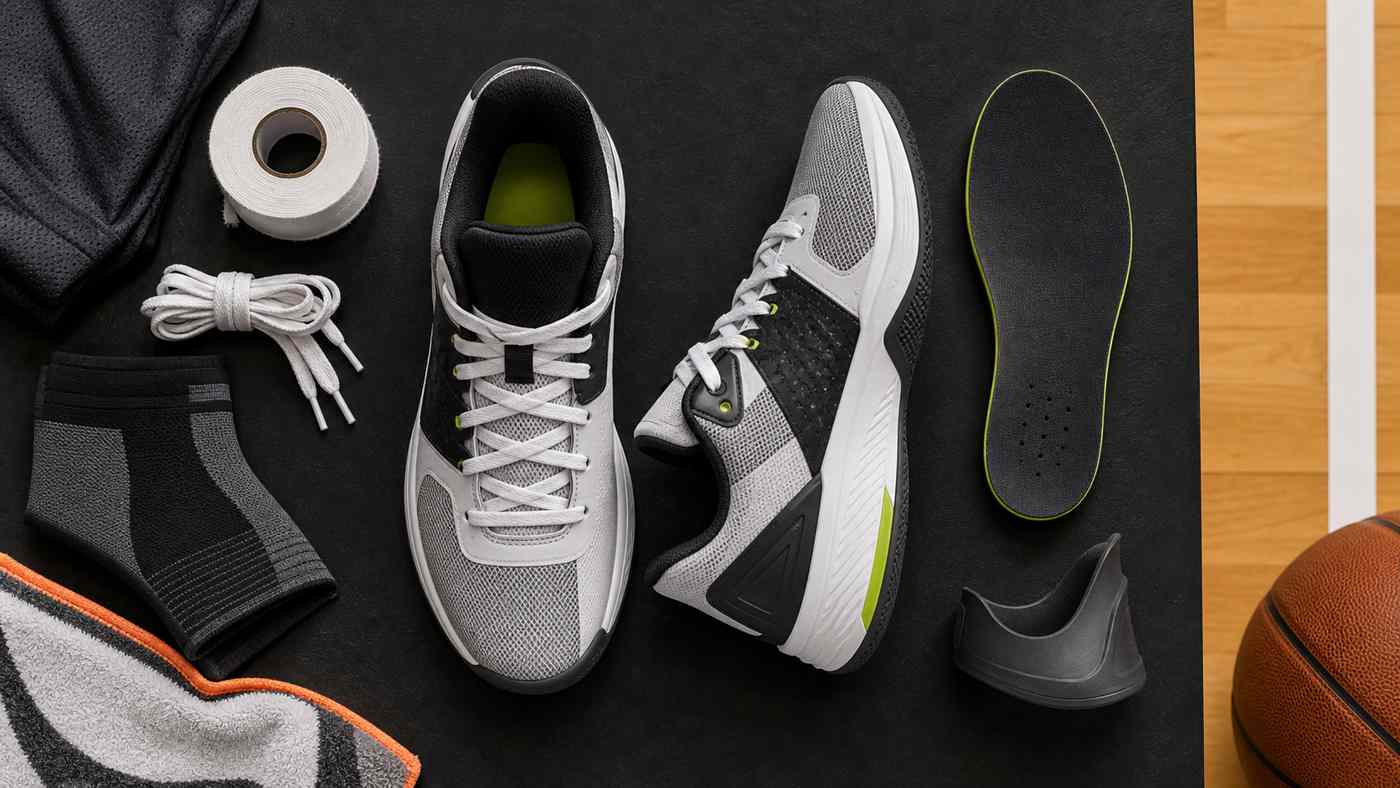
For guards, cushioning should match how you score. If you live on floaters, transition finishes, and repeated jump stops, you may want more impact protection than a pure minimalist guard shoe offers. If you mostly rely on quick first steps and low dribbles, you may prefer a thinner, more responsive setup. For ankle-focused shoppers, our best basketball shoes for ankle support guide goes deeper, but the short version is simple: support comes from fit, platform, containment, heel hold, and your own movement strength, not collar height alone.
A low-top can be supportive if it keeps the foot centered. A mid-top can feel loose if the base is narrow or the heel slips. Guards who have a history of ankle sprains should be especially careful with very soft midsoles, sloppy heel fit, and shoes that feel great standing still but unstable while cutting. If you use ankle braces, test the shoe with the brace before buying because braces change volume, lace pressure, and heel position.
Fit and Play Style Notes
Narrow-foot guards should watch for extra space around the midfoot and heel. Wide-foot guards should watch for pinky-toe pressure, lace bite, and forefoot spillover. If you are between sizes, do not automatically size up; extra length can delay cuts and create heel lift. Instead, compare shape, lacing options, and whether the shoe has enough forefoot volume.
Indoor-only players can prioritize pure grip and court feel. Outdoor players should care more about outsole durability and value. For blacktop use, see our best outdoor basketball shoes guide. For shoppers trying to stay under a price ceiling, pair this page with basketball shoe deals and our budget basketball guides, but always verify current price and return policy before buying.
Official Model Sources Checked
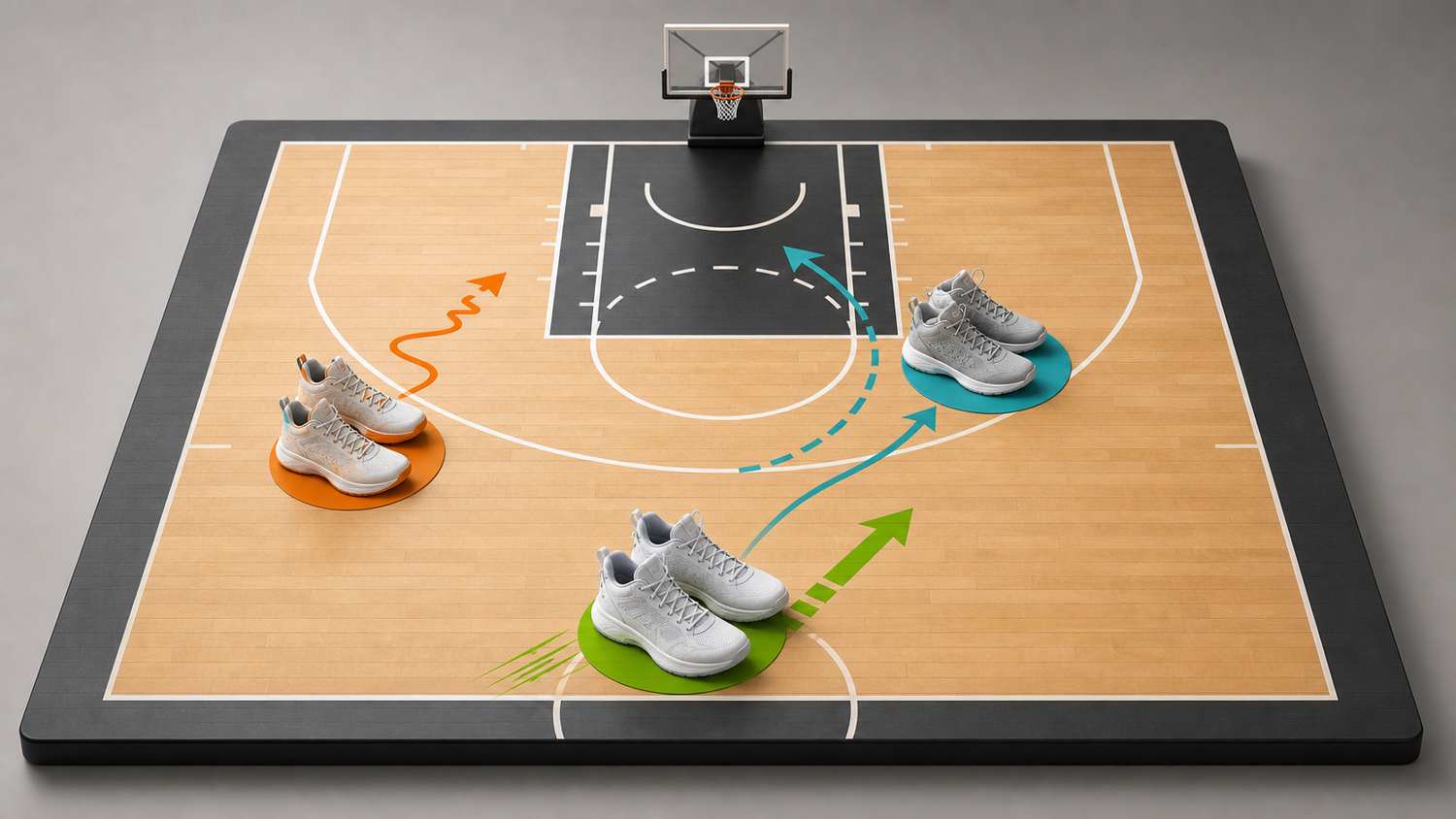
Basketball shoe lines change quickly, so treat model names as comparison lanes and verify the current version before buying. Useful official pages include Nike Basketball Shoes, adidas Basketball Shoes, Under Armour Basketball Shoes, and PUMA Basketball Shoes. These sources are for checking current model families, not live Shoe Like pricing or affiliate availability.
Related Guides
Keep building your shortlist with Basketball Shoes, best basketball shoes, best basketball shoes for ankle support, best outdoor basketball shoes, basketball shoe deals, and basketball shoe reviews.
Quick Guard Shoe Checklist
- Check traction on the surface you actually play on.
- Prioritize heel hold and midfoot containment before weight.
- Choose cushioning that matches your landing load and first-step style.
- Test lateral cuts, jump stops, and backpedal-to-sprint transitions.
- Do not assume high-top automatically means more support.
- Wide-foot guards should avoid solving width by adding too much length.
- Outdoor guards should treat outsole durability as a core feature.
- Verify current model version, size, return policy, and retailer details before buying.
FAQ
What type of basketball shoe is best for guards?
Most guards should start with shoes that have strong traction, secure lockdown, responsive cushioning, and a stable low-to-the-ground feel. The best exact shoe depends on whether you are a shifty ball-handler, pull-up scorer, slasher, or defensive guard.
Should guards wear low-top basketball shoes?
Low-tops can work very well for guards if the platform, heel hold, sidewalls, and lacing keep the foot contained. Collar height alone does not decide support.
Are lightweight basketball shoes always better for guards?
No. A light shoe can feel fast, but it still needs traction, cushioning, and containment. A slightly heavier shoe that feels stable on hard cuts can be better than a lighter shoe that twists or slips.
What should outdoor guards look for?
Outdoor guards should prioritize durable rubber, enough cushioning for hard courts, secure fit, and value. Thin or very soft outsoles may wear quickly outside.