Best Walking Shoes in 2026
Disclosure: Shoe Like may earn a commission when you buy through links on this page. This does not affect our recommendations. We do not show live prices, discounts, stock status, ratings, or retailer availability unless we have verified them.
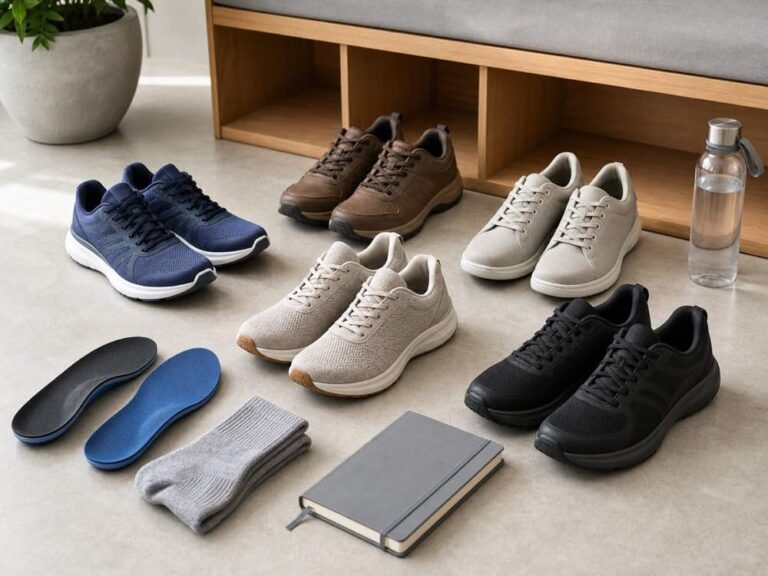
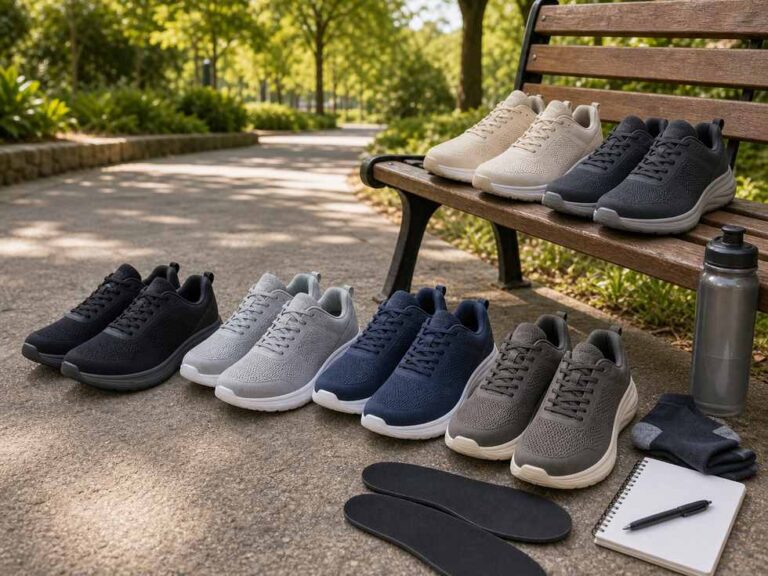
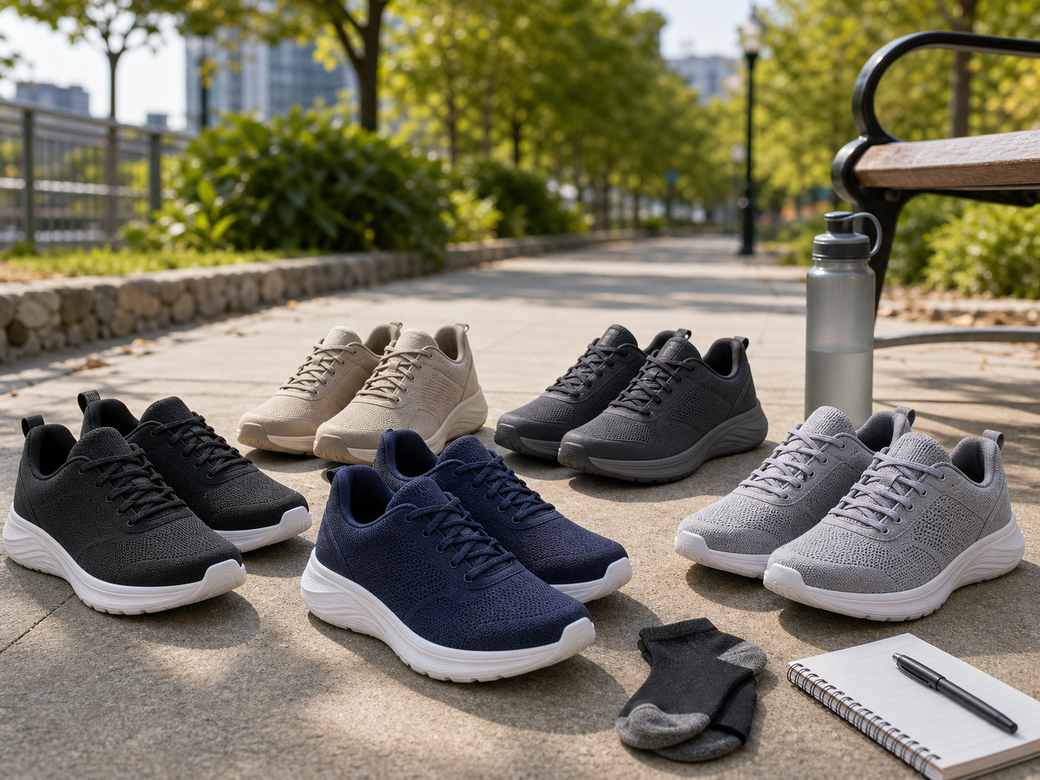
The best walking shoes are the shoes that still feel good after the first mile, after standing in line, after errands, and after the walk home. That sounds simple, but walking shoes solve different problems than running shoes, fashion sneakers, or work shoes. A good pair should cushion repetitive impact, keep your heel secure, leave enough toe room, grip the surfaces you use, and stay stable at a slower walking pace.
Short answer: start with New Balance walking and Fresh Foam comfort lines if width options matter, Brooks Addiction Walker or Ghost lanes if you want a structured comfort shoe, HOKA Bondi or Clifton lanes if cushioning matters most, Skechers GO WALK if you want easy lightweight casual comfort, ASICS Nimbus, Cumulus, or GT-2000 lanes if running-shoe cushioning works for your walks, and Orthofeet comfort shoes if removable insoles and foot-comfort features are the priority.
Quick Picks
| Pick | Best for | Why it fits walking | Watch out for |
|---|---|---|---|
| New Balance walking and Fresh Foam lines | Best fit and width comparison | New Balance is useful for walkers because many models and seasons include width choices and cushioned comfort lanes. | Do not size up to fix width if the heel starts slipping. |
| Brooks Addiction Walker or Ghost lines | Best structured comfort comparison | Brooks gives shoppers both walking-specific and running-shoe comfort lanes to compare. | Some models can feel more built-up than lightweight sneakers. |
| HOKA Bondi or Clifton lines | Best plush cushioning comparison | HOKA is a strong lane for walkers who want soft protection on hard surfaces. | Tall cushioning can feel unstable for some people. |
| Skechers GO WALK line | Best lightweight casual walking lane | A practical comparison for errands, casual walks, travel days, and easy slip-on comfort. | Check support and outsole durability for very high step counts. |
| ASICS Nimbus, Cumulus, or GT-2000 lanes | Best walking-friendly running shoe comparison | Daily running shoes can work well for walking when they fit and feel stable. | Running-shoe softness is not automatically better for walking. |
| Orthofeet comfort shoes | Best foot-comfort feature comparison | Worth comparing if removable insoles, roomy shapes, and comfort-first design matter. | Use medical guidance for persistent pain or special foot conditions. |
1. New Balance Walking and Fresh Foam Comfort Lines
Best walking shoe comparison for fit and width.
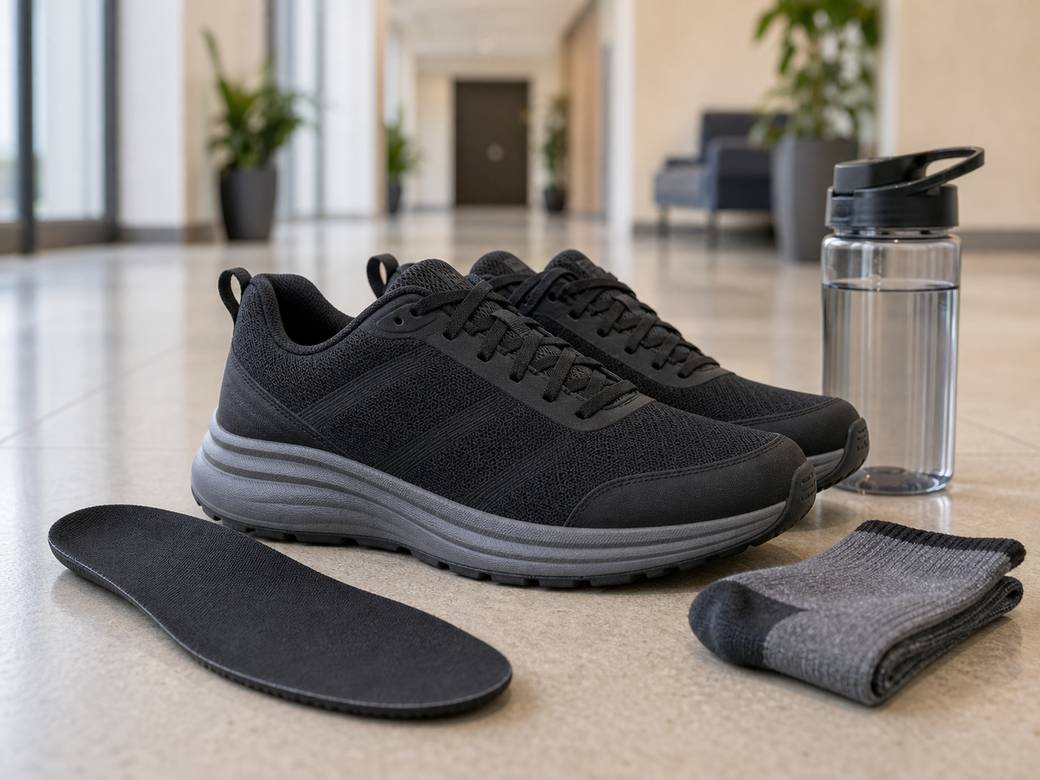
New Balance is one of the first places many walkers should compare because fit options matter so much. A walking shoe can have excellent cushioning and still fail if the toe box is too narrow or the heel slides. New Balance walking shoes and Fresh Foam comfort models are useful lanes for daily walks, errands, commuting, and people who need wide or extra-wide choices.
Who should buy it: Buy this lane if width, toe room, and practical comfort matter. Skip it if a specific model feels loose in the heel or too soft underfoot.
2. Brooks Addiction Walker or Ghost Lines
Best structured comfort walking shoe comparison.
Brooks belongs in this guide because it offers both walking-specific and running-shoe comfort lanes. The Addiction Walker path makes sense for people who want a more structured walking shoe, while the Ghost lane is useful if a neutral daily running shoe feels better for pavement walking and long errands.
Who should buy it: Buy this lane if you want reliable structure and a familiar lace-up fit. Skip it if you prefer very light, flexible, slip-on walking sneakers.
3. HOKA Bondi or Clifton Lines
Best plush cushion walking shoe comparison.
HOKA Bondi and Clifton lanes are worth comparing when cushioning is your main priority. They can make sense for hard floors, long neighborhood walks, recovery walks, travel days, and people who simply prefer more foam underfoot. The key is stability: plush should still feel controlled at your walking pace.
Who should buy it: Buy this lane if hard surfaces make your feet tired and you like a cushioned feel. Skip it if tall midsoles feel wobbly or awkward on curbs.
4. Skechers GO WALK Line
Best lightweight casual walking shoe comparison.
Skechers GO WALK is the lightweight casual lane to compare for errands, relaxed travel, quick neighborhood walks, and easy everyday wear. It is especially useful for shoppers who want softness and convenience without the feel of a technical running shoe.
Who should buy it: Buy this lane if comfort, lightness, and casual use matter most. Skip it if you need firmer support, rugged traction, or a high-mileage walking shoe.
5. ASICS Nimbus, Cumulus, GT-2000, or Similar Running-Shoe Lanes
Best walking-friendly running shoe comparison.
Many running shoes are excellent walking shoes because they are built for repeated pavement impact. ASICS cushion and support lanes are useful comparisons if you want a road-running shoe for walking, treadmill time, commuting, and light fitness. Choose by feel: Nimbus-style plush cushioning, Cumulus-style daily comfort, or GT-2000-style stability if you want more guidance.
Who should buy it: Buy this lane if running-shoe cushioning feels natural when you walk. Skip it if the rocker, heel shape, or softness makes your stride feel off.
6. Orthofeet Comfort Walking Shoes
Best foot-comfort feature comparison.
Orthofeet is worth comparing when comfort features, removable insoles, roomy designs, and foot-sensitive fit matter more than sporty styling. This lane can make sense for people who struggle with pressure points, need room for inserts, or want an easier comfort-first shoe.
Who should buy it: Buy this lane if your main problem is foot comfort and fit sensitivity. Skip it if you want a light athletic sneaker or if persistent pain needs professional guidance first.
How to Choose Walking Shoes
Start with where and how you walk. Neighborhood walks, grocery trips, warehouse floors, airport days, wet sidewalks, and standing at work all stress shoes differently. Daily walkers usually need balanced cushioning and stable support. Travel walkers need packability and traction. People who stand all day need comfort that still feels steady when they are not moving.
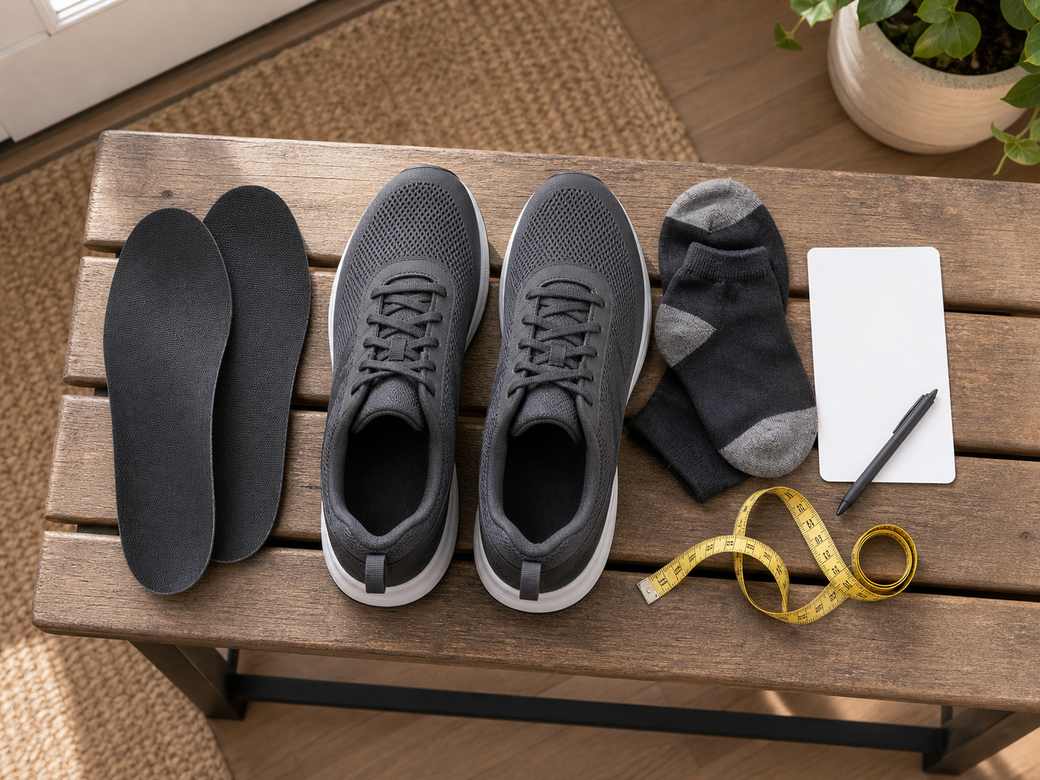
Fit comes first. Your toes should have room to spread, the heel should stay seated, and the midfoot should feel secure without pressure. If your foot swells during the day, try shoes later in the afternoon or after a walk. If you use orthotics, remove the stock insole and test the shoe with your actual insert before judging comfort.
Cushioning should be protective, not sloppy. A shoe that feels soft in the store may feel unstable on uneven sidewalks. A firmer shoe may feel secure but tiring on hard floors. Most walkers do best with balanced cushioning, a stable platform, and enough outsole grip for the surfaces they use most.
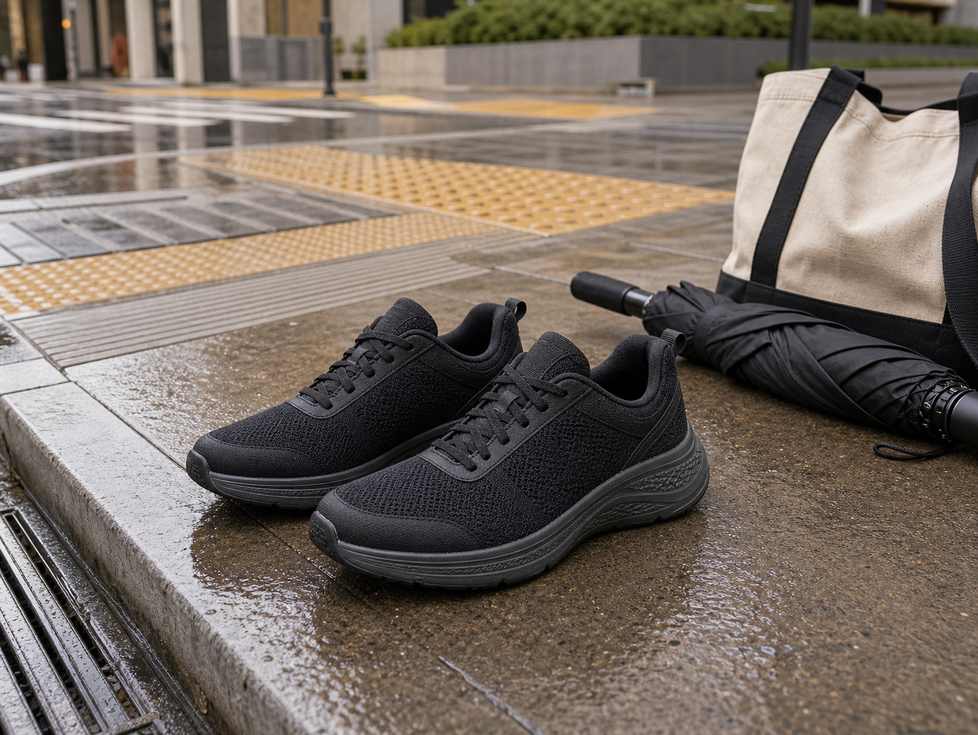
Think about the outsole. Smooth indoor floors, wet sidewalks, gravel paths, curb ramps, and transit platforms need different traction than a clean carpeted store aisle. If you walk outside in rain, look for rubber grip and a stable base before chasing the softest midsole.
Walking Shoes vs Running Shoes
Running shoes can be excellent walking shoes, especially daily trainers with comfortable cushioning and stable platforms. They are built for repeated impact and pavement, which often translates well to long walks. The risk is that some running shoes are too soft, too tall, too rockered, or too narrow for your walking stride.
Walking-specific shoes can feel steadier at a slower pace and may offer leather uppers, wider bases, slip-resistant outsoles, or easier everyday styling. The tradeoff is that some walking shoes feel heavier or less breathable than running shoes. Choose by fit and use case, not by category label alone.
What to Avoid
- Buying lifestyle sneakers for serious daily walking just because they look comfortable.
- Choosing the softest shoe if it makes your foot wobble.
- Sizing up to fix width when you really need a wider model.
- Ignoring heel slip, arch pressure, hot spots, or toe rubbing during try-on.
- Relying on waterproof uppers for every walk; they can feel warm and may dry slowly inside.
- Using old compressed shoes for long walking days after the cushioning feels dead.
- Treating shoe advice as medical care for persistent pain, numbness, diabetes-related foot concerns, or recent injury.
Related Guides
If your walking is travel-focused, read best walking shoes for travel. If you need more room, compare best walking shoes for wide feet once that guide is live, and use our broader best shoes for wide feet guide in the meantime. For work shifts and hard floors, see best shoes for standing all day. For running-shoe alternatives, compare best running shoes.
Sources Checked
Research sources accessed July 9, 2026: New Balance walking shoe search, Brooks Addiction Walker search, HOKA Bondi search, Skechers GO WALK search, ASICS walking shoe search, and Orthofeet walking shoes collection. Product pages, sizes, widths, colors, stock, and prices change quickly, so verify the current retailer page before buying.
FAQ
What shoes are best for walking all day?
The best walking shoes for all-day use combine comfortable cushioning, stable support, enough toe room, secure heel hold, and outsole grip for the surfaces you walk on. HOKA, New Balance, Brooks, Skechers, ASICS, and Orthofeet all have useful comparison lanes depending on fit and use case.
Are running shoes good for walking?
Yes, many running shoes work well for walking because they are built for repeated impact and pavement comfort. Choose a stable daily trainer rather than a racing shoe if walking comfort is the goal.
Should walking shoes be soft or firm?
Most walkers do best with balanced cushioning: soft enough to reduce fatigue, but firm and stable enough that the foot does not wobble. Very soft shoes are not automatically better.
How should walking shoes fit?
Walking shoes should leave toe room, hold the heel securely, and feel snug through the midfoot without pressure. Try them with your normal socks and orthotics, and walk on stairs or a hard floor before deciding.
When should I replace walking shoes?
Replace walking shoes when the outsole is worn smooth, the midsole feels compressed, the shoe leans, or your normal walks start creating new hot spots or discomfort. Mileage varies by surface, body weight, gait, and shoe type.
Final Recommendation
Start with fit, then choose the lane. New Balance is a strong first comparison for width and practical comfort. Brooks is useful for structured walking comfort. HOKA is best to compare if plush cushioning matters most. Skechers GO WALK fits casual lightweight walking. ASICS running-shoe lanes can work well for pavement walking. Orthofeet is worth comparing when removable insoles and comfort-first design matter most.
Retailer note: Retailer links are added only after each destination is verified; commercial links use sponsored/nofollow handling.