Running Shoe Reviews
Disclosure: Shoe Like may earn a commission when you buy through links on this page. This does not affect our recommendations. We do not show live prices, discounts, stock status, ratings, or retailer availability unless we have verified them.
Running shoe reviews should do more than repeat a product page. A useful review explains who a shoe is for, who should skip it, how it feels underfoot, how the fit behaves after real miles, and where it sits against practical alternatives. This page is the Shoe Like review hub for road running shoes, daily trainers, max-cushion shoes, stability shoes, speed trainers, race shoes, trail shoes, and walking-friendly running shoes.
Our goal is simple: help you choose the right running shoe type before you chase hype, colorways, or one-line ratings. A shoe can be excellent and still wrong for your foot, pace, route, or training plan. That is why our reviews emphasize use case, fit, comfort, support, traction, durability, and value rather than pretending one model is universally best.
How We Review Running Shoes
Every Shoe Like review starts with the same buyer question: what job is this shoe supposed to do? A daily trainer should handle easy miles without becoming annoying. A max-cushion shoe should protect tired legs without feeling unstable. A stability shoe should guide the foot without feeling intrusive. A speed trainer should feel lively without punishing normal training. A race shoe should be judged as a race-day tool, not as a comfortable walking shoe.
From there, we look at fit first. Toe room, heel hold, midfoot pressure, tongue comfort, lace security, and upper flexibility often matter more than a dramatic midsole description. If a shoe rubs, slips, pinches, or feels sloppy, the foam underneath cannot save it for most buyers. We also call out when a model may be risky for wide feet, orthotics, high-volume feet, or runners who prefer a more stable platform.
We do not treat marketing names as proof. Cushioning, plates, rocker geometry, outsole rubber, and upper materials all need to be explained in plain language. The best review tells you what those details mean on the road: soft or firm, stable or wobbly, smooth or clunky, forgiving or demanding, durable or delicate.
What Our Running Shoe Reviews Measure
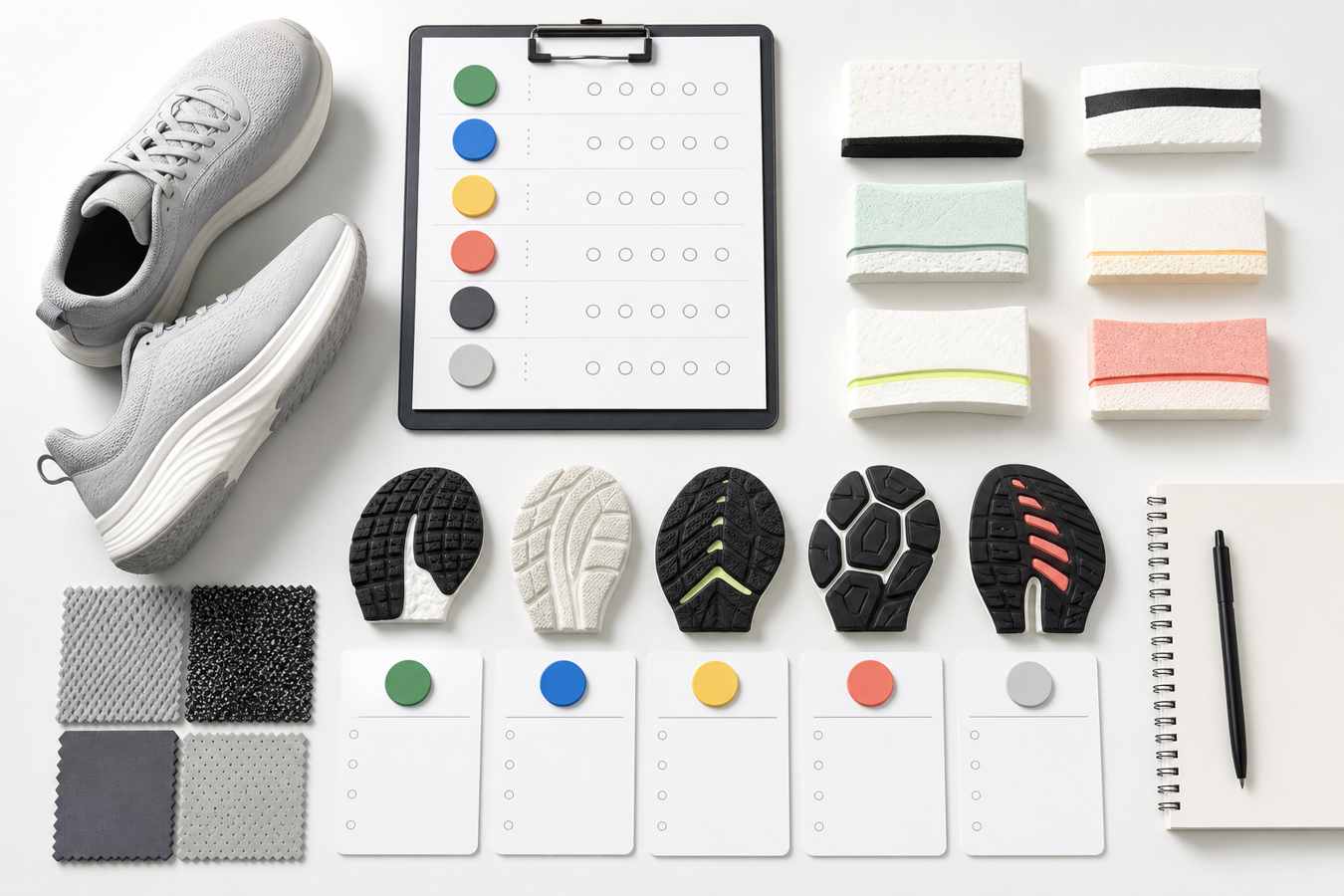
| Review area | What we look for | Why it matters |
|---|---|---|
| Fit | Toe box, heel hold, midfoot wrap, tongue comfort, lace security | A great ride is useless if the shoe pinches, slips, or rubs. |
| Cushioning | Softness, protection, rebound, bottoming-out risk, late-run comfort | Different runners need different levels of foam and feel. |
| Stability | Platform width, sidewall support, guidance, cornering confidence | Soft shoes can feel good at first but unstable over distance. |
| Ride | Transition, rocker feel, flexibility, toe-off, pace range | The best shoe should match your normal speed and stride. |
| Traction | Wet pavement grip, outsole coverage, dust behavior, trail bite if relevant | Grip affects confidence, safety, and outdoor usability. |
| Durability | Outsole wear, upper stress, midsole creasing, exposed foam | Value depends on how the shoe ages, not only how it feels new. |
| Value | Use-case match, versatility, alternatives, sale risk, replacement timing | A cheaper shoe can be a bad value if it solves the wrong problem. |
The same score can mean different things in different categories. A lightweight racing shoe may score well for speed and poorly for durability. A max-cushion shoe may score well for protection and poorly for agility. A stability shoe may feel excellent for one runner and unnecessary for another. We try to explain those trade-offs so the review stays useful after the first impression fades.
How to Read a Shoe Like Review
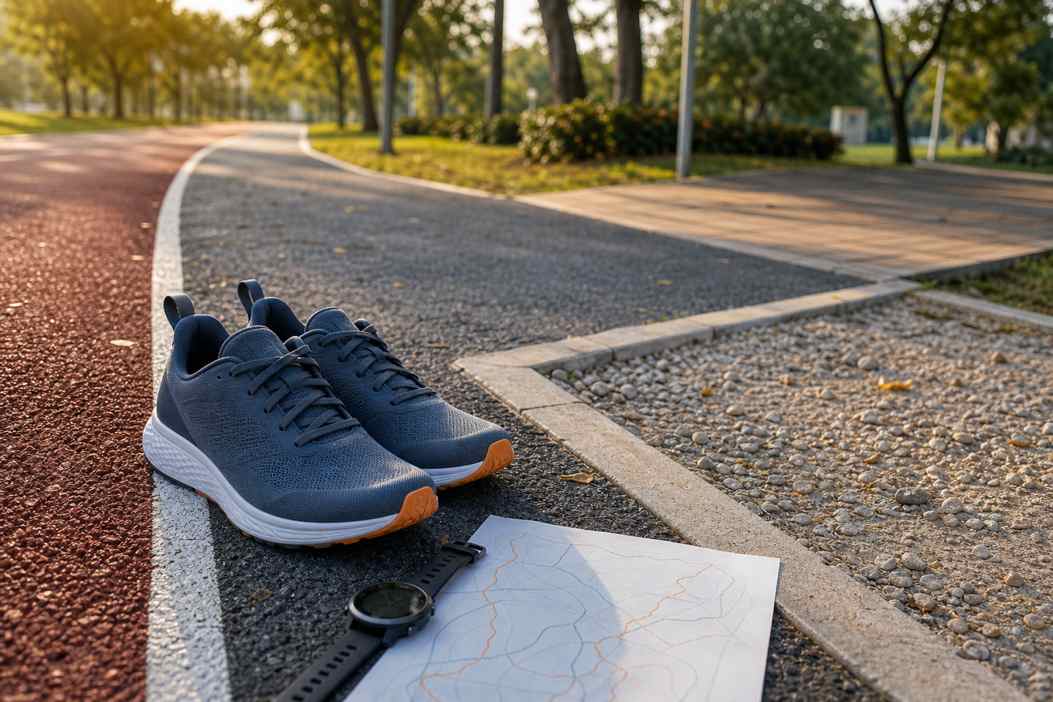
Start with the verdict, but do not stop there. The most important line is usually not whether a shoe is good; it is who the shoe fits. If you are a beginner, a neutral daily trainer or mild stability shoe is often safer than a fast plated shoe. If you walk a lot, check comfort, heel hold, and platform stability. If you run on wet pavement, traction matters. If you have wide feet, fit notes matter more than the overall score.
Next, compare the alternatives. A review should tell you whether a shoe is softer than another model, more stable than a similar option, better for long runs, worse for gym use, or more useful when discounted. We avoid declaring one brand universally better because Nike, Adidas, ASICS, Brooks, HOKA, New Balance, Puma, Saucony, On, and other brands all have strong and weak categories.
Finally, check the date and product context. Running shoes change often. A model can gain weight, change upper fit, soften its midsole, lose outsole coverage, or shift category between versions. Before buying, verify the exact model year, retailer return policy, size availability, width options, and whether the shoe is being replaced by a newer version.
Review Categories We Cover
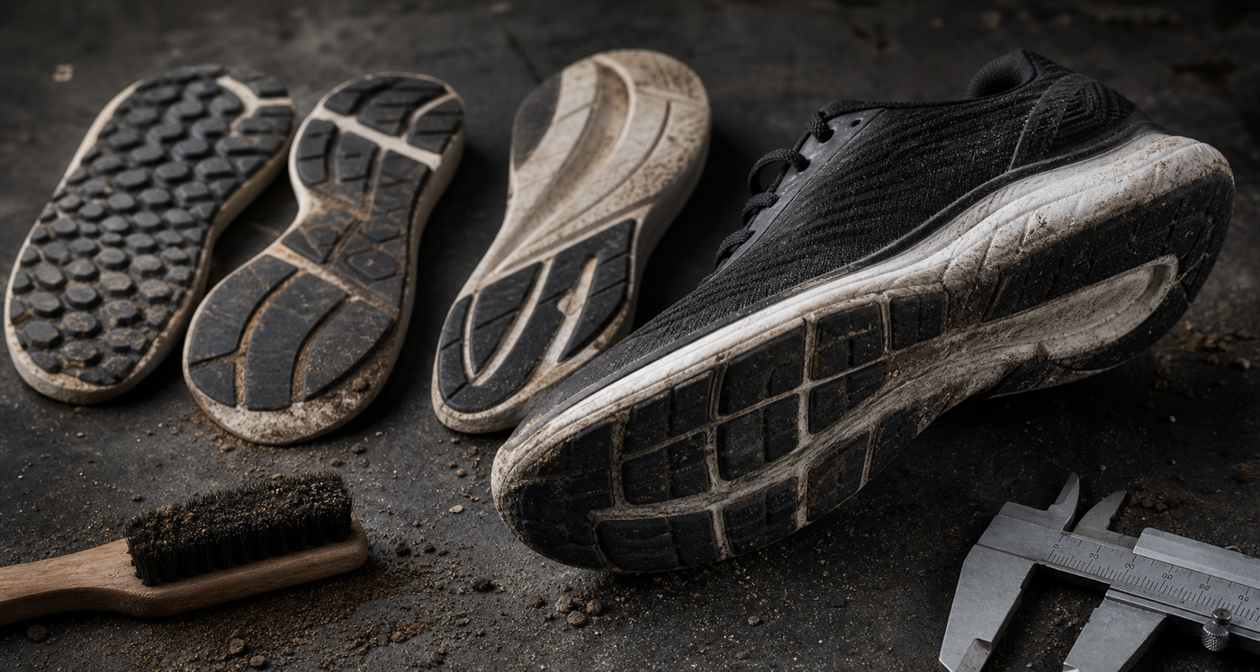
This hub will organize reviews by the way shoppers actually buy: daily trainers, beginner running shoes, wide-foot running shoes, flat-feet support shoes, max-cushion shoes, lightweight trainers, tempo shoes, race-day shoes, trail running shoes, walking-friendly running shoes, and budget running shoes. Each category needs a different lens. A daily trainer needs dependability. A racing shoe needs efficiency. A walking-friendly running shoe needs comfort at slower speeds.
If you are not ready for individual reviews yet, start with our Running Shoes hub, beginner running shoe guide, wide-feet running shoe guide, Nike running shoe guide, HOKA running shoe guide, and Brooks running shoe guide. Those pages help narrow the category before you compare individual models.
What We Avoid in Reviews
We avoid fake certainty. A shoe is not automatically best because it is new, expensive, plated, soft, lightweight, or popular on social media. We also avoid publishing live prices, sale claims, star ratings, stock status, or retailer availability unless those details have been checked. That protects readers from stale affiliate content and keeps the advice focused on what still matters when prices change.
We also separate lifestyle sneakers from running shoes. Some sneakers are excellent for casual wear but not built for repeated road-running impact. When a shoe is better for walking, gym work, or outfits than for running, the review should say so clearly.
Sources and Methodology
This guide is based on editorial desk research, not an unreported hands-on test. The Shoe Like Editorial Team reviewed current manufacturer information and official foot-health or sports guidance, then compared intended use, fit, cushioning, stability, width options, and practical buying considerations. This page is an editorial research guide or review index and does not claim hands-on laboratory testing of every model. We do not publish unverified prices, ratings, stock, or performance claims.
Sources checked: APMA running-shoe guidance; Nike Running. Product lines and availability can change, so verify the current model and fit with the manufacturer or retailer before buying.
FAQ
How should I use running shoe reviews?
Use reviews to confirm fit, ride, support, traction, durability, and alternatives after you already know your main use case. Do not buy from a score alone.
What is the most important part of a running shoe review?
Fit and use case are usually the most important parts. A shoe can be technically impressive but wrong for your foot shape, pace, surface, or training plan.
Can one running shoe work for running and walking?
Yes, many running shoes can work for walking, but the best crossover options feel stable, comfortable at slower speeds, secure at the heel, and roomy enough in the toe box.
Should beginners buy plated racing shoes?
Most beginners are better served by a comfortable daily trainer. Plated racing shoes are specialized tools and are usually not the best only pair for new runners.