Best Basketball Shoes for Ankle Support in 2026
Disclosure: Shoelike may earn a commission when you buy through links on this page. This does not affect our recommendations.
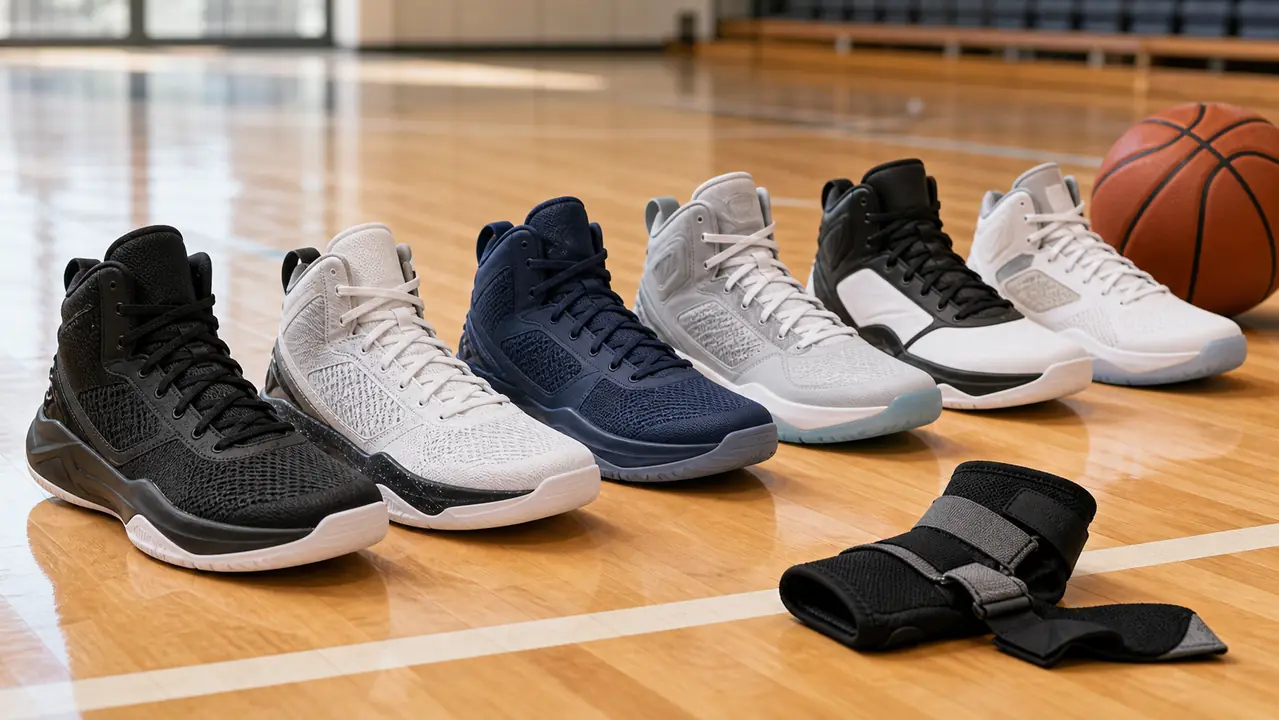
If you want the best basketball shoes for ankle support, do not shop by collar height alone. Start with heel lockdown, lateral containment, reliable traction, cushioning, and a fit that keeps your foot centered on court.
Reader note: ShoeLike is still building its hands-on basketball shoe testing program. This guide is based on public product information, current editorial research, and practical support criteria. We do not show live prices, discounts, stock status, or affiliate tracking links yet.
Best basketball shoes for ankle support in 2026
The best basketball shoe for ankle support is not always the tallest shoe.
That sounds odd until you play in a high-top that still lets your heel slide, your foot roll over the sidewall, or your outsole slip on a dusty court. Collar height can make a shoe feel more secure, but real support comes from the whole package: heel lockdown, lateral containment, stable traction, cushioning, and a fit that keeps your foot centered when you cut.
If you have a history of ankle sprains, do not expect shoes to replace medical guidance, strength work, taping, or a brace. A good basketball shoe can help you feel more contained. It cannot promise injury prevention.
Quick picks
| Pick | Shoe type | Best for | Why it helps ankle-conscious players | Watch out for |
|---|---|---|---|---|
| Best overall support profile | Supportive all-around basketball shoe | Most players | Balanced lockdown, traction, cushioning, and containment | Must still fit your foot shape |
| Best for bigger players | Max-cushion support shoe | Forwards and centers | Stable base and impact protection | Can feel heavy for quick guards |
| Best for guards | Low or mid shoe with strong containment | Quick cuts | Secure heel and lateral sidewalls matter more than height | Not ideal if you prefer a brace-friendly high collar |
| Best for brace users | Mid/high shoe with collar room | Players wearing ankle braces | Easier to fit a brace without crushing the ankle | Try with your actual brace |
| Best outdoor option | Durable traction support shoe | Outdoor courts | Rubber durability and traction are key | Outdoor durability can trade off with softness |
| Best value direction | Previous-season support model | Budget buyers | Older models can still have strong lockdown | Confirm condition and return policy |
How we chose
We evaluated support from a basketball use-case perspective, not by collar height alone.
A shoe had to make sense in at least one support category:
- secure heel lockdown
- lateral containment for cuts
- stable outsole base
- traction that works for stop-start movement
- enough cushioning for landings
- fit that can work with a brace or taping when needed
We avoided fake testing claims, fake rankings based on lab data we do not have, and any claim that a shoe prevents ankle injuries.
What ankle support really means in basketball shoes
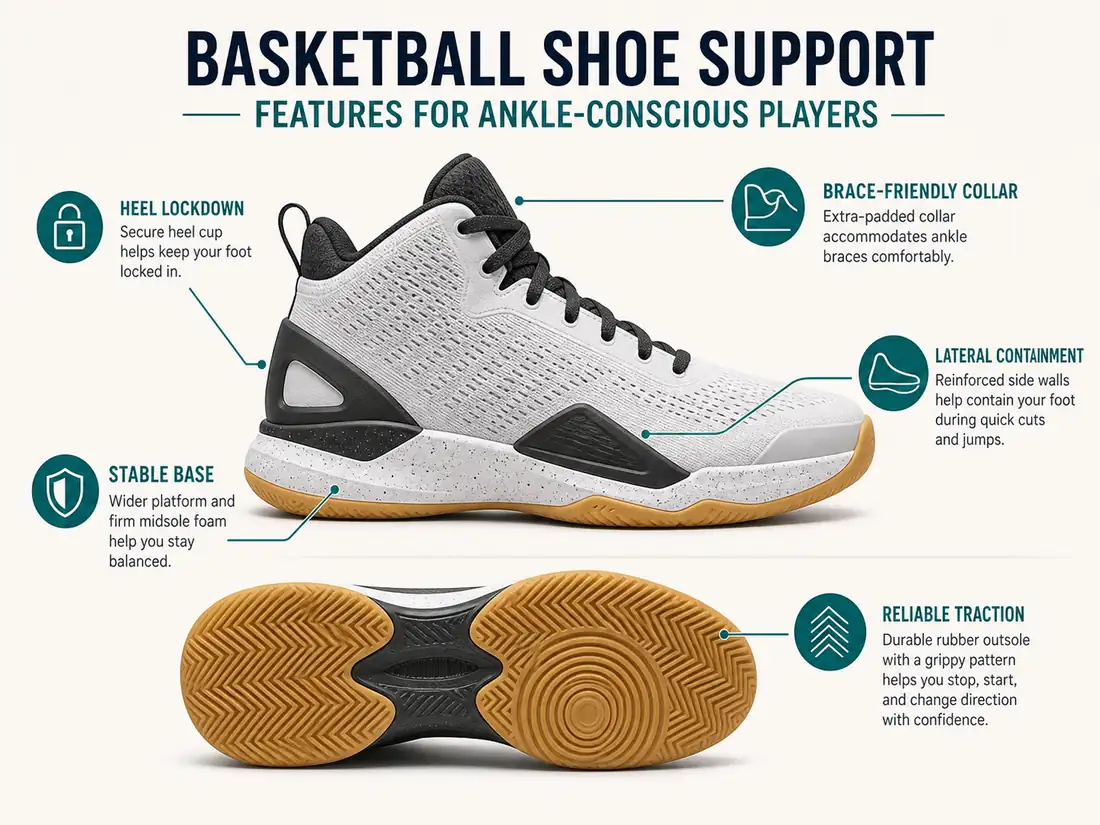
Ankle support is a mix of shoe fit and movement control.
Heel lockdown keeps the back of the foot from lifting. Midfoot containment keeps the foot from sliding over the sidewall. Traction helps you stop without slipping. A stable base helps the shoe feel planted instead of tippy. The collar can add a secure feeling around the ankle, but it is only one part of the system.
If you are choosing between a low-top with excellent lockdown and a high-top that feels loose, the low-top may feel more stable on court.
1. Supportive all-around basketball shoe
Best overall support profile
For most players, the safest starting point is not the most extreme shoe. It is a balanced basketball shoe with good lockdown, a stable base, reliable traction, and enough cushioning for landings.
This kind of shoe works for mixed play: casual games, league nights, pickup runs, and players who move between guard and wing roles. You want the shoe to feel secure without feeling like a boot.
Look for a padded heel, lace structure that actually tightens the midfoot, sidewall or upper reinforcement around the forefoot, and an outsole that does not feel narrow under the heel.
Best for:
- most recreational players
- wings and all-around players
- players who want support without a bulky feel
Who should avoid it:
- players who need a very specific brace-friendly fit
- players who want maximum impact cushioning
2. Max-cushion support shoe
Best for bigger players and hard landings
Bigger players usually need a different support profile than light guards. The priority shifts toward impact protection, platform stability, and a shoe that does not collapse or feel narrow on landings.
A max-cushion basketball shoe can make sense if you play in the paint, land hard, or want more protection underfoot. But the shoe still needs containment. Soft cushioning without a stable base can feel unstable during quick changes of direction.
Best for:
- forwards and centers
- players who land hard
- players who prioritize cushioning and base stability
Who should avoid it:
- guards who want a very quick, low-to-the-floor feel
- players who dislike heavier shoes
3. Guard shoe with strong containment
Best for quick cuts
Guards do not always need a high-top. They need a shoe that keeps the foot centered during cuts, stops, and changes of direction.
For this category, look at heel fit, sidewall containment, outsole width, and traction before you worry about collar height. A secure low or mid shoe can feel much better than a tall shoe with poor lockdown.
Best for:
- guards
- quick first steps
- players who change direction often
Who should avoid it:
- players who want a roomy collar for braces
- players who prefer plush cushioning over court feel
4. Brace-friendly basketball shoe
Best for players who wear ankle braces
If you wear an ankle brace, shop with the brace on. This sounds obvious, but it is the easiest mistake to make.
A brace changes how much room you need around the ankle, tongue, and lacing area. Some shoes feel supportive without a brace but become tight, awkward, or hard to lace when the brace is added.

Look for a collar that has enough space, a tongue that does not bunch up, and laces that can still lock the midfoot securely.
Best for:
- players who already wear braces
- players returning cautiously after prior ankle problems
- players who need adjustable ankle-area volume
Who should avoid it:
- players who hate extra material around the ankle
- players who do not want to experiment with fit
5. Outdoor support basketball shoe
Best for outdoor courts
Outdoor courts change the support equation. Traction durability matters more because worn-down rubber can make a shoe feel less secure.
For outdoor ankle-conscious play, prioritize durable rubber, a stable base, and enough cushioning for concrete or asphalt. A soft indoor-only traction pattern may feel great at first but wear down quickly outside.
Best for:
- outdoor pickup
- rougher courts
- players who need traction durability
Who should avoid it:
- players who only play on clean indoor courts
- players who want the lightest possible setup
6. Previous-season support model
Best value direction
If you are not ready to pay full price, previous-season basketball shoes can be smart. Support features do not become useless just because a newer colorway or model arrives.
The key is to avoid old stock with poor return options or questionable sellers. You still need to verify fit, outsole condition, and whether the shoe works with your brace or sock setup.
Best for:
- budget buyers
- players who already know what fit works
- shoppers who want value without chasing hype
Who should avoid it:
- players who need the newest model
- buyers who cannot return the shoe after trying it on
High-top vs low-top basketball shoes for ankle support
High-tops can feel more secure around the ankle, but they are not automatically safer or more supportive for every player.
Low-tops can work well when they have strong heel lockdown, a stable base, and good side-to-side containment. High-tops can still feel unstable if the heel slips, the outsole is narrow, or the traction is poor.
Choose based on fit and movement, not height alone.
What to check before buying
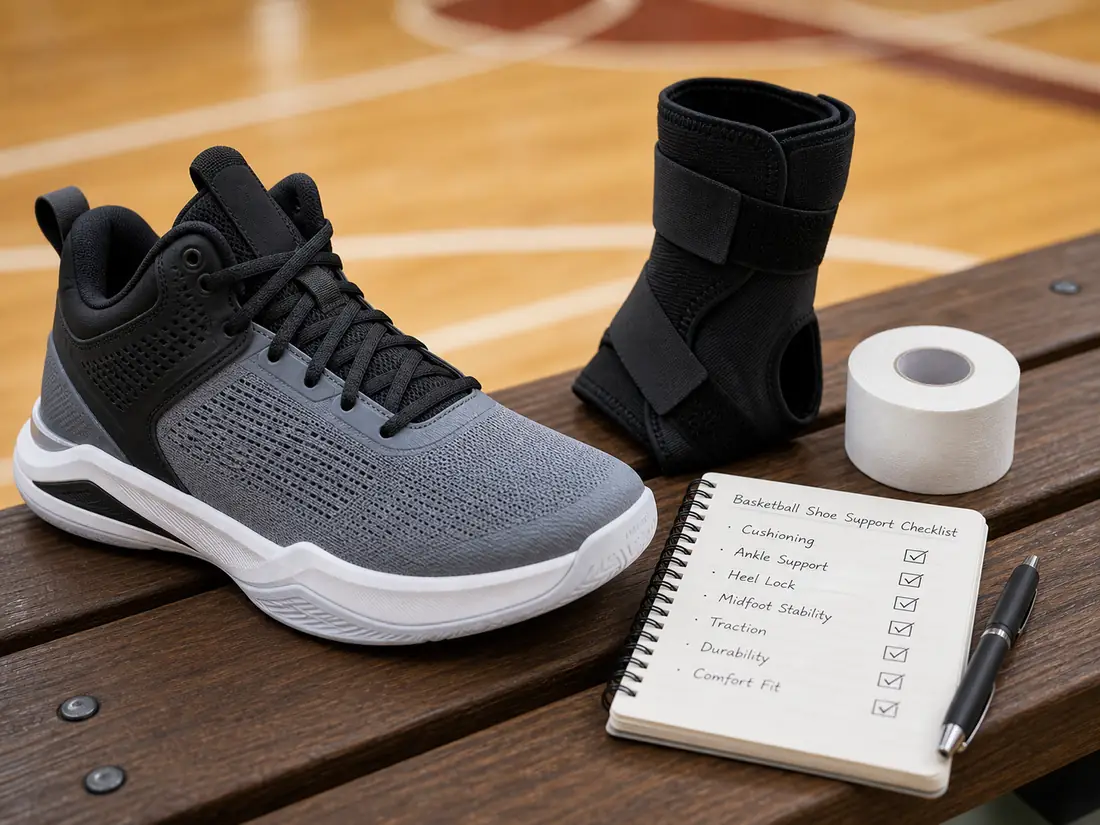
Use this checklist:
- Heel lockdown: your heel should not lift when you sprint or stop.
- Midfoot containment: your foot should not slide over the edge of the shoe.
- Lateral stability: the shoe should not feel tippy on side cuts.
- Traction: the outsole should grip your court surface.
- Cushioning: landings should feel protected without making the shoe unstable.
- Brace fit: if you wear a brace, try the shoe with the brace.
- Return policy: support is hard to judge without trying the shoe on court or at least moving in it.
Related guides: Browse the basketball shoes hub, compare best basketball shoes, or see options for outdoor basketball shoes.
Final recommendation
If you want ankle support from a basketball shoe, start with lockdown and containment. A high collar can help some players feel more secure, especially with a brace, but it should not be the only reason you buy a shoe.
For most players, choose a balanced support shoe first. Bigger players should prioritize stable cushioning. Guards should prioritize containment and traction. Brace users should test with the actual brace before buying.
Safety note: For injury-prevention context, see the NIAMS sports injuries overview. Shoes can support fit and traction, but they cannot guarantee injury prevention.
Sources and Methodology
This guide is based on editorial desk research, not an unreported hands-on test. The Shoe Like Editorial Team reviewed current manufacturer information and official foot-health or sports guidance, then compared intended use, fit, cushioning, stability, width options, and practical buying considerations. We do not publish unverified prices, ratings, stock, or performance claims.
Sources checked: APMA guidance for choosing shoes for sports; NIAMS sports-injury overview. Product lines and availability can change, so verify the current model and fit with the manufacturer or retailer before buying.
FAQ
Do high-top basketball shoes prevent ankle sprains?
No basketball shoe can guarantee ankle sprain prevention. High-tops can feel supportive, but fit, lockdown, traction, strength, bracing, and movement mechanics also matter.
Are low-top basketball shoes bad for ankle support?
Not necessarily. A low-top with excellent heel lockdown, traction, and lateral containment can feel more secure than a loose high-top.
Should I wear an ankle brace with basketball shoes?
If you have a history of ankle sprains or have been advised to wear a brace, choose a shoe that fits comfortably with the brace. ShoeLike cannot give medical advice, so ask a qualified professional for injury-specific guidance.
What basketball shoe features matter most for ankle-conscious players?
Heel lockdown, lateral containment, stable traction, a secure midfoot, and a stable base matter most. Collar height is secondary.
What should I avoid?
Avoid shoes that let your heel slip, feel narrow under the heel, slide on your court, or require loose lacing to feel comfortable.

2 Comments
Comments are closed.