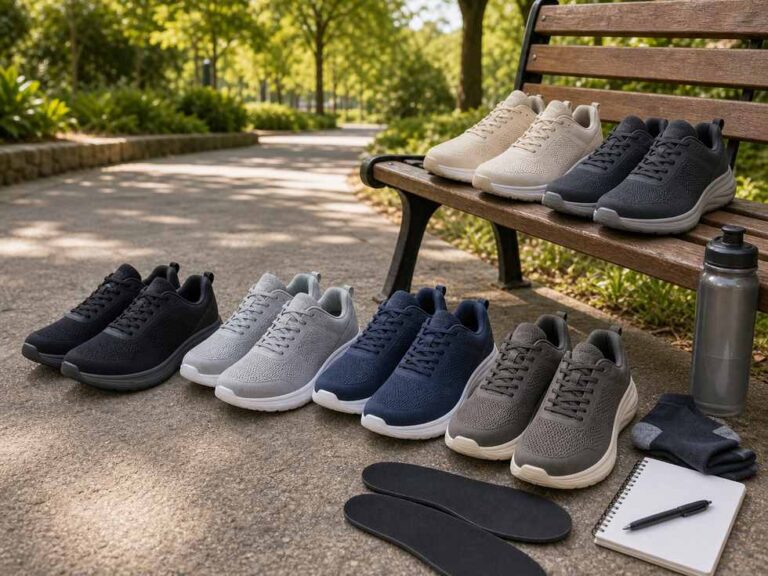
Best Walking Shoes for Travel
Disclosure: Shoe Like may earn a commission when you buy through links on this page. This does not affect our recommendations. We do not show live prices, discounts, stock status, ratings, or retailer availability unless we have verified them.
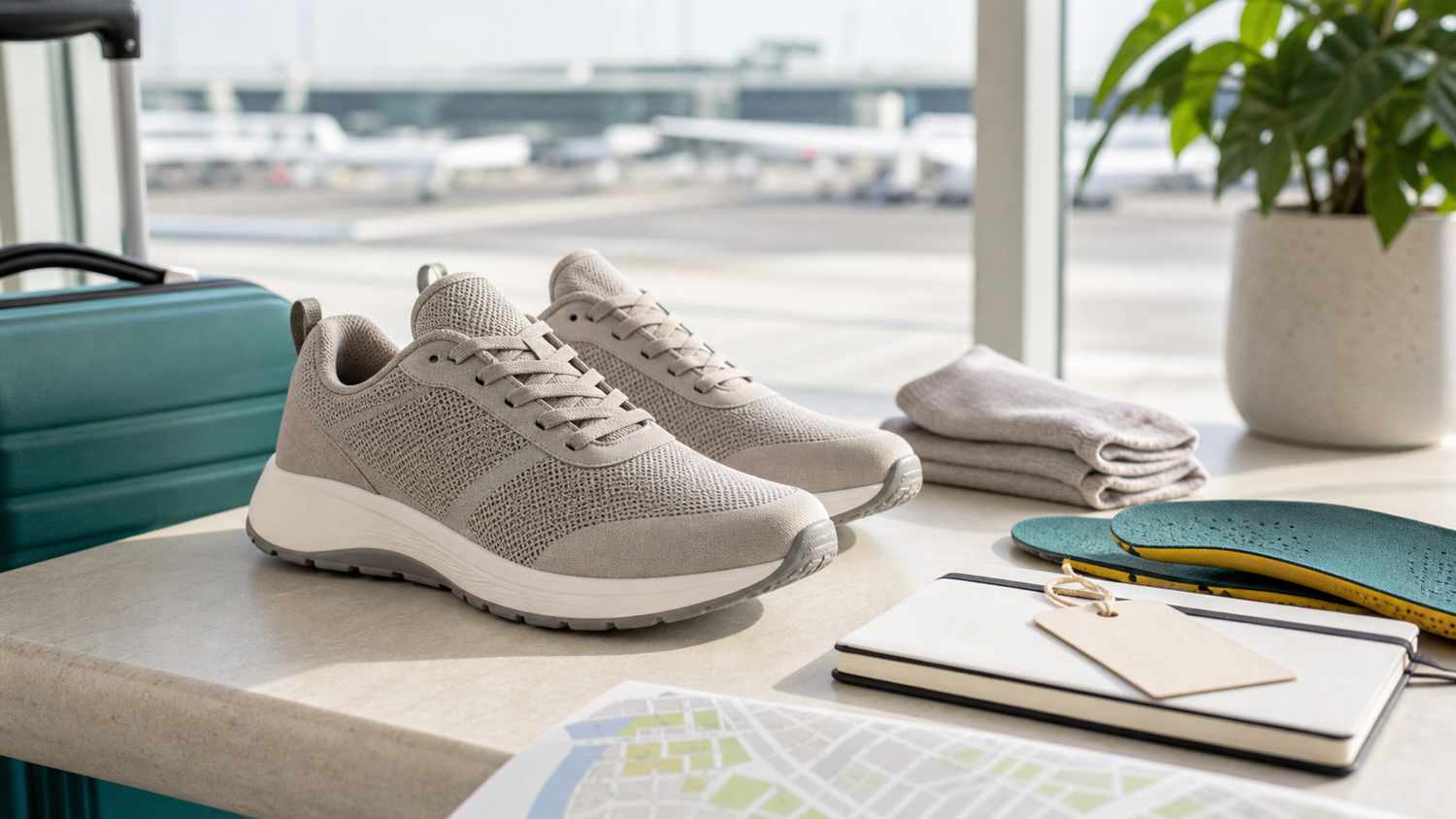
The best walking shoes for travel are not just the softest shoes you own. A travel shoe has to survive airport floors, long museum lines, uneven sidewalks, wet streets, hotel stairs, transit platforms, and the final mile back to your room when your feet are tired. It also has to work with the socks you packed, the outfits you planned, and the amount of space left in your bag.
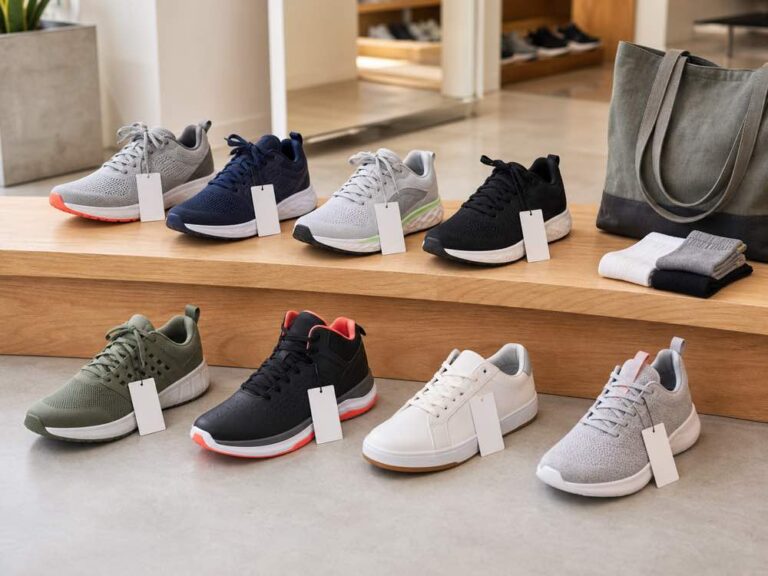
This guide is built around trip type instead of pretending one shoe is perfect for every traveler. A cushioned running shoe can be excellent for 20,000-step city days. A sleek walking sneaker may be better when you need one pair to handle dinner, museums, and flights. A waterproof or trail-inspired shoe can make sense for rainy cobblestones, but it may run warmer indoors. Start with where you are going, how much you will walk, and what your feet usually need.
Best Walking Shoes for Travel by Trip Type
| Trip type | Shoe family or category to compare | Why it fits | Watch out for |
|---|---|---|---|
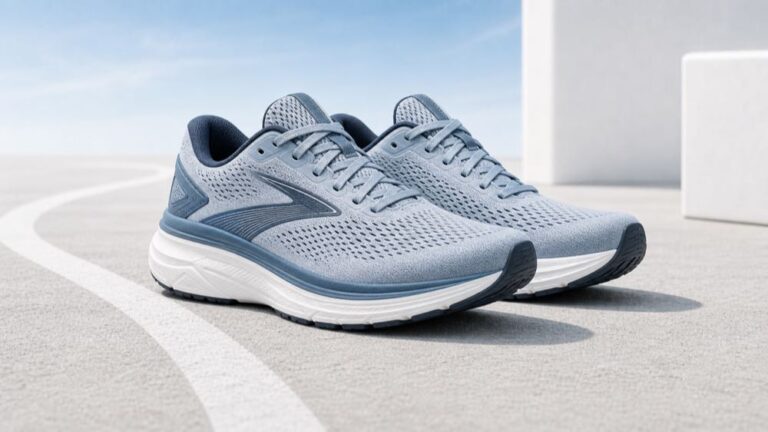
| Airport and city sightseeing | Road daily trainers such as Brooks Ghost, ASICS GEL-Cumulus, New Balance 880, or similar neutral shoes | Comfortable cushioning, familiar lace fit, and enough structure for long pavement days. | Some running shoes look bulky with dressier outfits. |
| Maximum cushion walking | Plush trainers such as HOKA Bondi or Clifton, New Balance 1080 or More, ASICS GEL-Nimbus, or Brooks Glycerin | Soft landings help when you stand in lines and walk on hard surfaces for hours. | Very soft or tall shoes may feel unstable on uneven streets. |
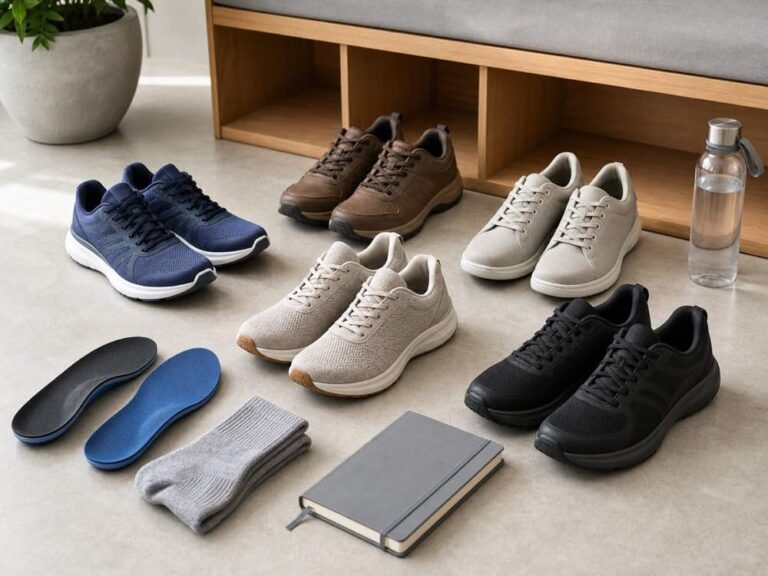
| Support and orthotics | Stability trainers such as Brooks Adrenaline GTS, New Balance 860, ASICS GT-2000, or supportive walking shoes with removable insoles | Guidance, heel hold, and removable insoles make them easier to match with support needs. | Strong arch support should feel comfortable, not sharp. |
| Wide feet and swelling | Walking or running shoes with wide and extra-wide size options | Travel days can make feet swell, so toe room and width options matter. | Do not simply size up if the heel starts slipping. |
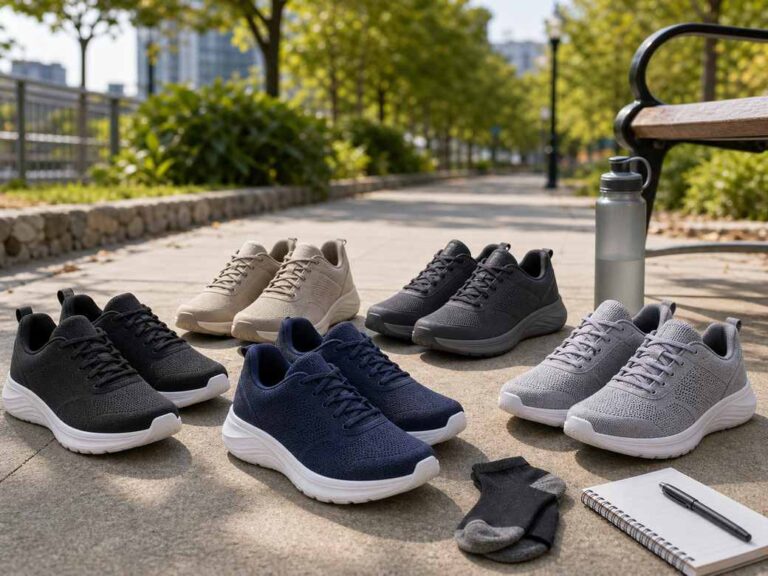
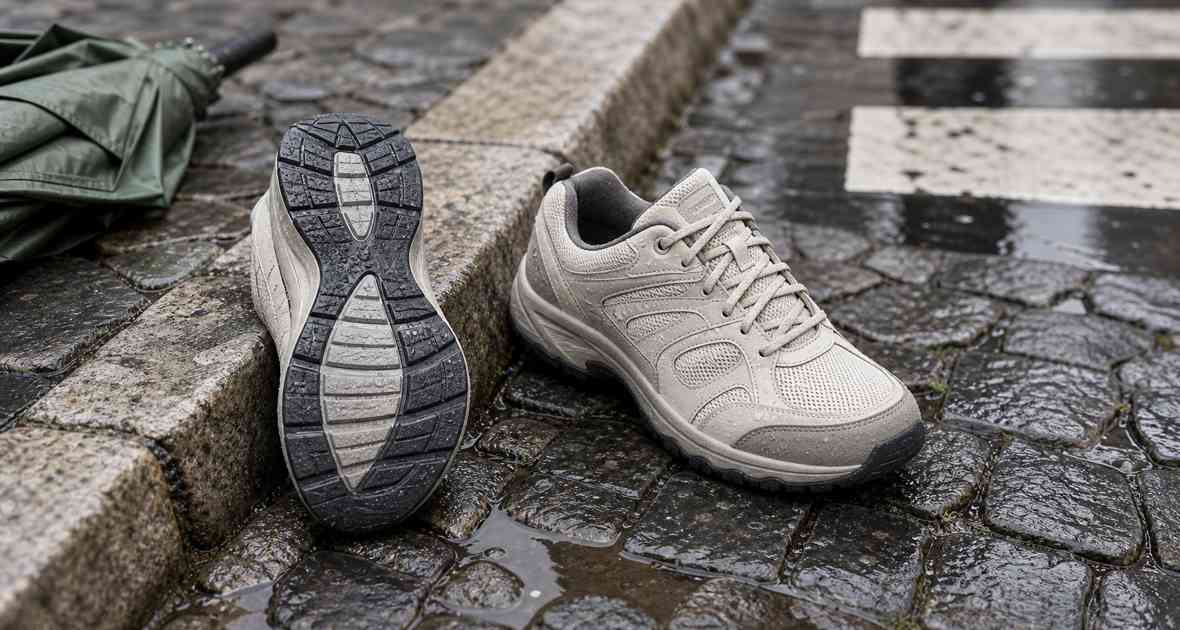
| Rain, cobblestones, and old streets | Walking shoes with grippy rubber, trail-lite outsoles, or water-resistant uppers | Better traction and weather handling can be more useful than extra softness. | Waterproof shoes can trap heat and dry slowly inside. |
| Light packing | Lightweight knit walking sneakers or flexible lifestyle trainers with real cushioning | Easier to pack, easy to wear on flights, and often more outfit-friendly. | Some stylish sneakers lack support for very high step counts. |
| One-pair city trips | Clean leather, suede, or knit walking sneakers with removable insoles and stable soles | Good for travelers who need comfort plus a more polished look. | Check breathability, break-in time, and traction before relying on them. |
Use the table as a comparison map, not a fixed ranking. If you already know a brand fits you well, start there and compare the model that matches your trip. If you are choosing between two shoes, pick the one that feels best after standing still for ten minutes, walking briskly, climbing stairs, and turning on a tight corner. Travel discomfort often appears when you are tired, not during the first minute in the store.
What to Check Before Buying Travel Walking Shoes
Fit is the first filter. Your toes should have room to spread, your heel should stay seated, and the midfoot should feel secure without squeezing. Try shoes late in the day if you can, because feet often swell after walking. Wear the socks you plan to pack. If you use orthotics, remove the stock insole and test the shoe with your own insert before judging the fit.
Cushioning is useful, but it should not be the only reason you buy. A soft midsole can feel wonderful in an airport and sloppy on uneven stone. A firmer shoe can feel more stable but harsh after long pavement miles. The best travel walking shoe usually lands in the middle: enough cushioning to reduce fatigue, enough platform stability to keep you confident, and enough outsole grip for real sidewalks.
Check the upper and collar carefully. A breathable knit can help in warm weather, but may soak quickly in rain. Leather or water-resistant uppers can look cleaner and handle drizzle, but may feel warmer. Heel padding should feel secure without rubbing. The tongue should not bunch. If a seam irritates your foot during a short try-on, it can become a trip-long problem.
Running Shoes vs Walking Shoes for Travel
Many running shoes work very well for travel walking because they are designed for repeated impact, pavement, and long time on foot. Daily trainers from major running brands are often a smart starting point for travelers who prioritize comfort over a dressy look. They can be especially useful for theme parks, long airport connections, city sightseeing, and trips where you expect big step counts every day.
Traditional walking shoes and lifestyle walking sneakers can be better when style, packability, and all-day casual wear matter more than running-shoe bounce. The tradeoff is that some fashion-forward sneakers have thin midsoles, slippery outsoles, narrow toe boxes, or stiff uppers. If you are buying a cleaner-looking travel sneaker, test it like gear, not like an outfit accessory.
For rainy destinations, do not assume waterproof is automatically better. Waterproof shoes can be helpful in steady rain, wet grass, or winter travel, but they can feel hot and may take longer to dry inside if water enters from the collar. For warm-weather travel, breathable shoes plus quick-dry socks can be a better choice. For old streets and cobblestones, outsole grip and platform stability matter as much as weather protection.
Packing and Break-In Checklist
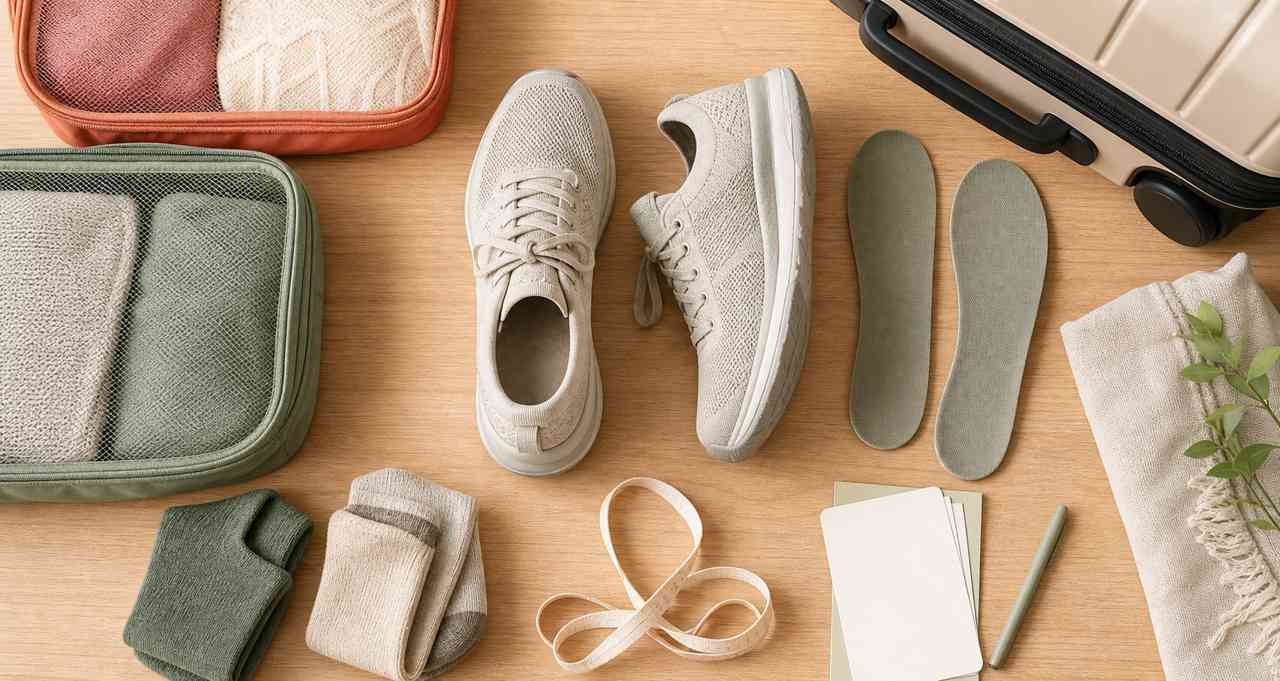
- Wear the shoes for several real walks before the trip, not just around the house.
- Test them with your travel socks, orthotics, and any heel pads or insoles you plan to use.
- Check heel rub, toe pressure, arch comfort, and whether your foot slides downhill on stairs.
- Walk on pavement, tile, stairs, and a wet surface if possible.
- Pack blister care, a second pair of socks, and a backup footwear option for long trips.
- Use the heavier or bulkier pair as your airport shoe and pack the lighter pair.
- Avoid taking brand-new shoes as your only walking pair.
Who Should Be Careful
If you have plantar fasciitis, bunions, nerve pain, diabetes-related foot concerns, recent injury, unusual swelling, or pain that changes your gait, treat travel shoe shopping more seriously. A guide can narrow the field, but a podiatrist, physical therapist, or sports medicine professional can help with persistent pain, orthotic questions, and unusual symptoms.
Also be careful with extreme shoes. Very soft max-cushion shoes can feel unstable for some travelers. Very minimal shoes can overload your feet if you are not adapted to them. Waterproof boots may solve rain and create heat. Slip-ons can be convenient at airport security but may lack heel hold on long days. The best travel shoe is not the most impressive shoe on a spec sheet; it is the one that still feels boringly comfortable at dinner.
Related Guides
For more options, see our Walking Shoes hub, best walking shoes, best walking shoes for wide feet, best shoes for standing all day, and best running shoes for wide feet.
Sources and Methodology
This guide is based on editorial desk research, not an unreported hands-on test. The Shoe Like Editorial Team reviewed current manufacturer information and official foot-health or sports guidance, then compared intended use, fit, cushioning, stability, width options, and practical buying considerations. We do not publish unverified prices, ratings, stock, or performance claims.
Sources checked: APMA tips for healthy feet; APMA guide to choosing the right shoe. Product lines and availability can change, so verify the current model and fit with the manufacturer or retailer before buying.
FAQ
Are running shoes good for travel walking?
Yes, many running shoes are excellent for travel walking because they offer cushioning, heel hold, and pavement-friendly comfort. Choose a daily trainer or supportive model rather than a racing shoe if all-day comfort is the goal.
How many pairs of shoes should I pack for travel?
For short city trips, one excellent walking pair plus a light backup can work. For longer trips, rainy destinations, or dressier itineraries, two pairs are safer so each pair can dry and your feet get a break from the same pressure points.
Should travel walking shoes be waterproof?
Sometimes. Waterproof shoes help in steady rain or winter conditions, but they can feel warm and may dry slowly inside. For hot-weather travel, breathable uppers and good socks can be more comfortable.
What is the most important feature in travel walking shoes?
Fit is the most important feature. Cushioning, support, traction, and style all matter, but the shoe has to fit your heel, midfoot, toes, socks, and insoles for long hours on foot.