Best Running Shoes Under $100
Disclosure: Shoe Like may earn a commission when you buy through links on this page. This does not affect our recommendations. We do not show live prices, discounts, stock status, ratings, or retailer availability unless we have verified them.
The best running shoes under $100 are usually found by shopping carefully, not by chasing the cheapest shoe on the page. Prices change constantly, colors sell out, older versions get discounted, and retailer return policies matter. This guide focuses on the shoe families and shopping strategies that often make sense for budget runners, with a simple rule: verify the current price, size, return policy, and model version before buying.
A good budget running shoe should still fit well, feel comfortable at your normal pace, have enough outsole coverage for your route, and match your use case. A cheap shoe that rubs your heel, feels dead after a few runs, or lacks enough support for your stride is not really a deal. Start with your running needs, then use price as the final filter.
Best Running Shoes Under $100 by Shopping Strategy
| Shopper type | Shoe family to watch | Why it can be a good value | Watch out for |
|---|---|---|---|
| Beginner easy runs | ASICS GEL-CONTEND or GEL-EXCITE family | Simple cushioning, practical fit, and a beginner-friendly road-running lane. | Not as lively or protective as premium daily trainers. |
| Budget daily trainer | Saucony Cohesion or similar entry daily trainer lines | Often aimed at basic daily miles, walking, and run-walk routines. | Check outsole durability and upper fit before assuming it can handle high mileage. |
| Comfort-first bargain | New Balance Fresh Foam Arishi, 680, or previous-version daily trainers | Worth comparing if you want soft comfort and sometimes useful fit options. | Widths, colors, and sale pricing vary a lot. |
| Brand-name sale pick | Nike Revolution, Winflo, Pegasus sale colors, or previous versions | Nike sale models can be useful for casual running and easy miles when priced correctly. | Do not buy a lifestyle sneaker by mistake. |
| Treadmill and gym crossover | Adidas Duramo, Supernova sale versions, or similar value trainers | Can work for short runs, treadmill sessions, and everyday athletic use. | Not all gym-friendly shoes are good long-run shoes. |
| Support on a budget | ASICS GT-1000, Brooks Launch GTS, or older stability models on sale | Useful if you need mild support without jumping to premium pricing. | Confirm the exact support category and return policy. |
| Best deal hunter path | Previous-year premium models | Older versions of strong daily trainers can beat current entry-level shoes when discounted. | Sizes and return windows may be limited. |
This table is not a live price list. A model may be under $100 in one color, above $100 in another, discounted at one retailer, or sold out in your size. Treat each row as a shopping lane. The best value usually comes from matching your use case first, then checking current sale details.
What to Check Before Buying a Budget Running Shoe
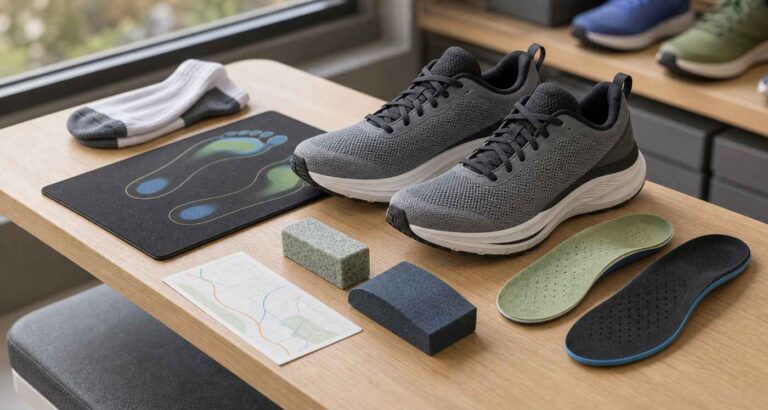
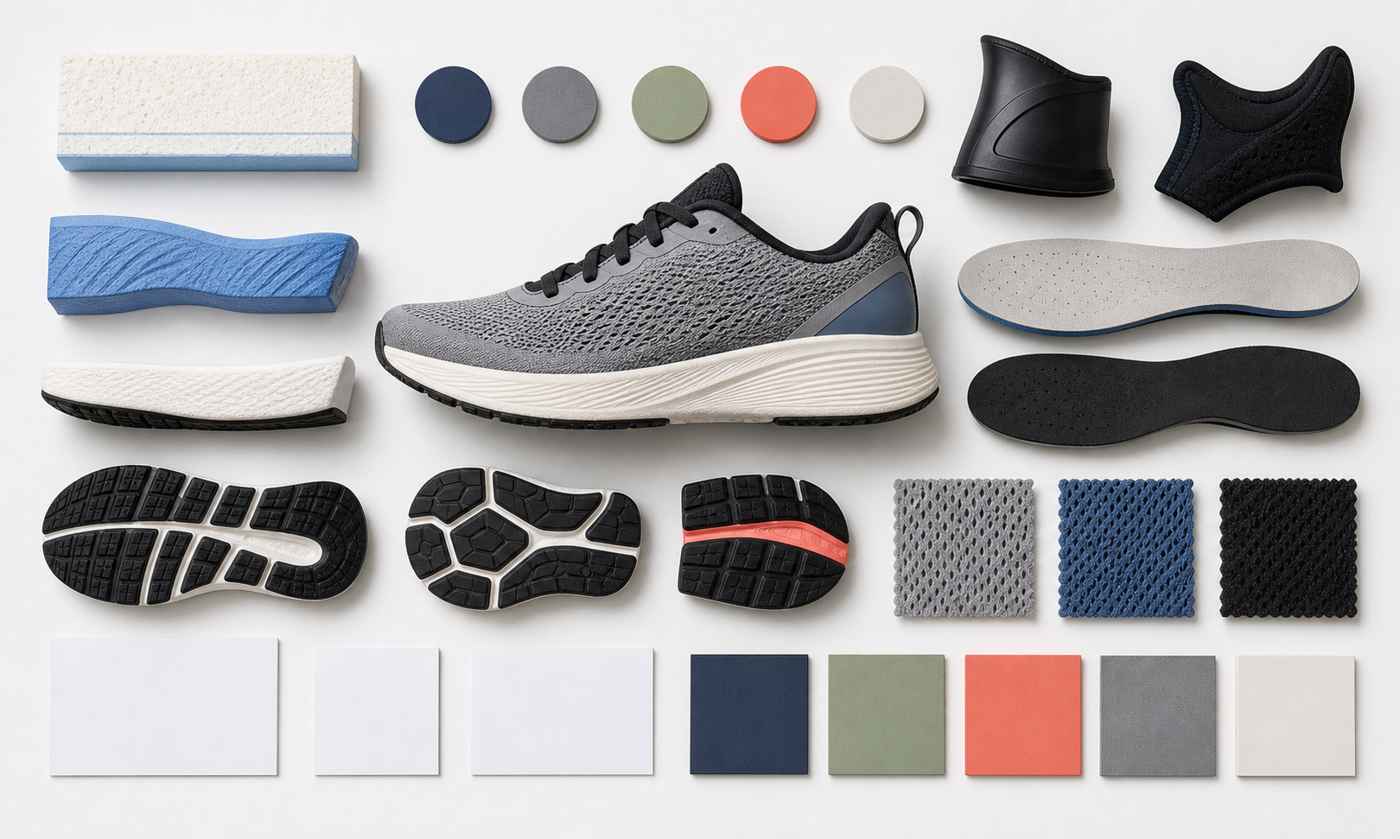
Fit comes first. Your toes should have room to relax, your heel should not slip, and the midfoot should feel secure without pinching. If you are between two sizes, do not assume the cheaper size is good enough. A budget shoe that causes blisters, numbness, or toe pressure is a bad deal no matter how low the price looks.
Cushioning comes second. Many budget shoes use simpler foam and less refined geometry than premium trainers. That can be perfectly fine for beginners, walkers, treadmill users, and lower-mileage runners. It may be less ideal if you need max cushioning, long-run protection, race-day speed, or a very smooth ride. The shoe should feel comfortable at your normal pace, not only soft when you press the midsole with your thumb.
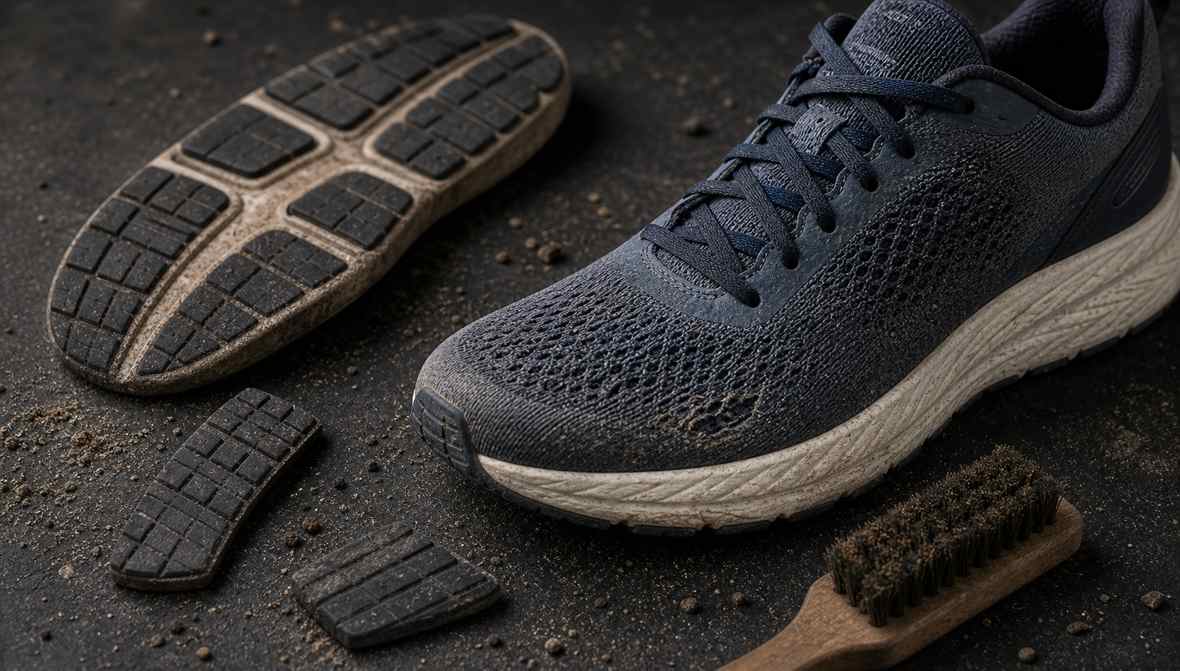
Durability matters more than the discount. Look at outsole rubber coverage, upper stitching, heel padding, and whether the midsole already feels overly soft or unstable. If you run mostly outside on rough pavement, a thin outsole can wear quickly. If you walk a lot, check heel and forefoot comfort. If you use the shoe for gym work too, remember that soft running shoes are not always stable for lifting or lateral movement.
How to Shop Sales Without Buying the Wrong Shoe
The safest budget strategy is to shop previous versions of proven shoes. When a new version launches, older colors and older model years may get discounted. That can be better than buying the cheapest current model, especially if the older shoe was originally built as a stronger daily trainer. Just make sure you know which version you are buying, because fit and ride can change between years.
Check return policy before checkout. Budget pages and clearance sections sometimes have stricter return windows or final-sale rules. If you have never tried the model, a generous return policy is worth a lot. Try the shoe indoors with your normal running socks, check heel hold and toe room, and keep the box clean until you know the shoe works.
Do not let a low price override your actual need. A neutral budget trainer is not the same as a stability shoe. A lightweight shoe is not automatically a speed shoe. A walking-friendly shoe is not always a running shoe. A good under-$100 pick should be the right category first and the right price second.
Who Should Spend More Than $100?
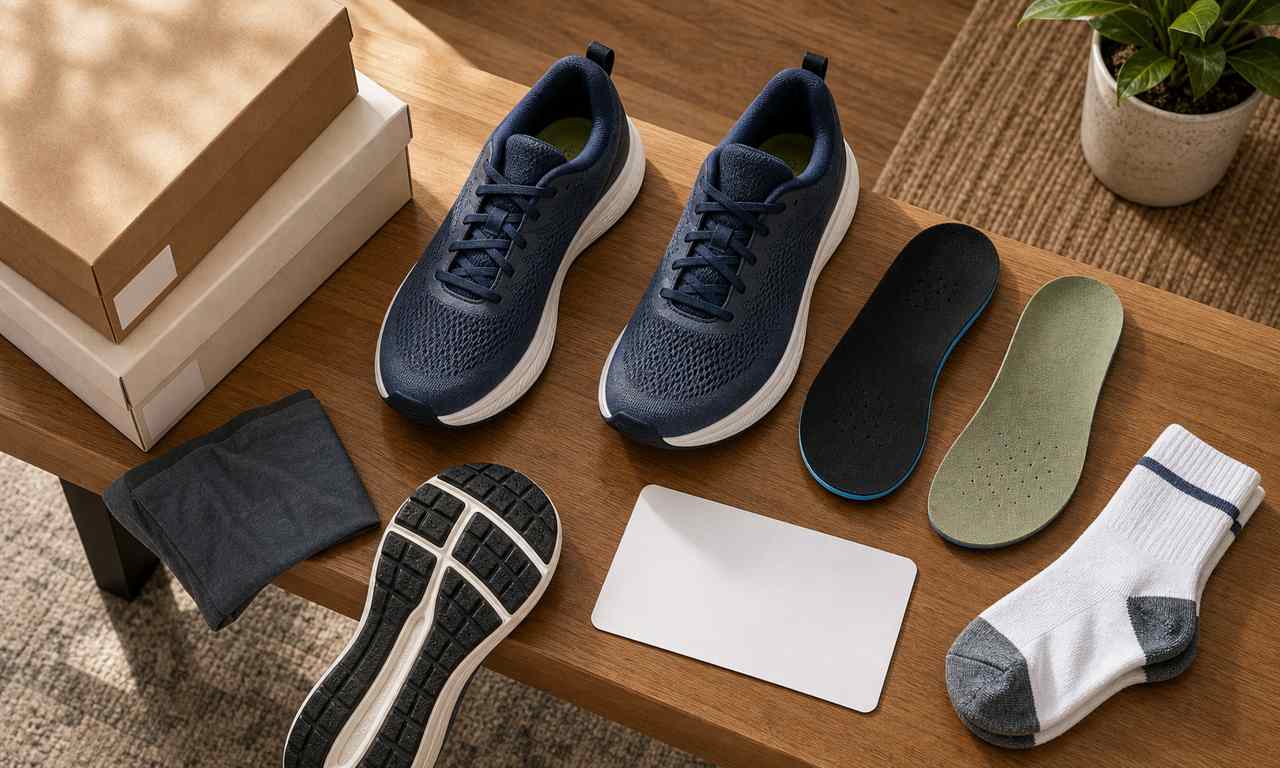
Some runners should consider spending more or waiting for a better sale. If you run high weekly mileage, need specific stability support, want max-cushion long-run protection, have a history of foot pain, use orthotics, or need a wide size that is hard to find, a slightly higher budget can open better options. The goal is not to spend more for fun; it is to avoid buying the wrong shoe twice.
Beginners, walkers, treadmill users, and casual runners can often do well under $100. Competitive runners, marathon builders, heavy heel strikers, and runners with very specific fit needs may get better value from discounted premium models rather than the cheapest new shoe.
Related Guides
For more context, see our best running shoes for beginners, best running shoes for wide feet, running shoe deals, Running Shoes hub, and running shoes vs training shoes.
Buying Checklist
- Confirm the current price before buying; this page is not a live price feed.
- Check model version, size, width, return policy, and final-sale rules.
- Choose a running shoe, not a lifestyle sneaker that only looks athletic.
- Prioritize fit, heel hold, toe room, and comfort at your normal pace.
- Look for enough outsole rubber if you run outdoors.
- Consider previous-year premium models when they drop under budget.
- Skip deals that do not match your foot, surface, mileage, or support needs.
Sources and Methodology
This guide is based on editorial desk research, not an unreported hands-on test. The Shoe Like Editorial Team reviewed current manufacturer information and official foot-health or sports guidance, then compared intended use, fit, cushioning, stability, width options, and practical buying considerations. We do not publish unverified prices, ratings, stock, or performance claims.
Sources checked: APMA running-shoe guidance; Nike Running. Product lines and availability can change, so verify the current model and fit with the manufacturer or retailer before buying.
FAQ
Can you get good running shoes under $100?
Yes, especially for beginners, lower-mileage runners, walkers, treadmill users, and sale shoppers. The key is choosing the right type of shoe and verifying current price and return policy.
Are cheap running shoes bad?
Not automatically. Some affordable running shoes are perfectly useful, but very cheap shoes may have less cushioning, less outsole rubber, simpler uppers, or fewer fit options.
Should I buy an older version of a running shoe?
Often, yes. Previous versions of good daily trainers can be excellent values when discounted, as long as the size, fit, return policy, and model version are clear.
What should I avoid when shopping running shoes under $100?
Avoid final-sale shoes you have never tried, lifestyle sneakers marketed like running shoes, shoes that pinch or slip, and deals that do not match your mileage or support needs.